Follow Us on Google
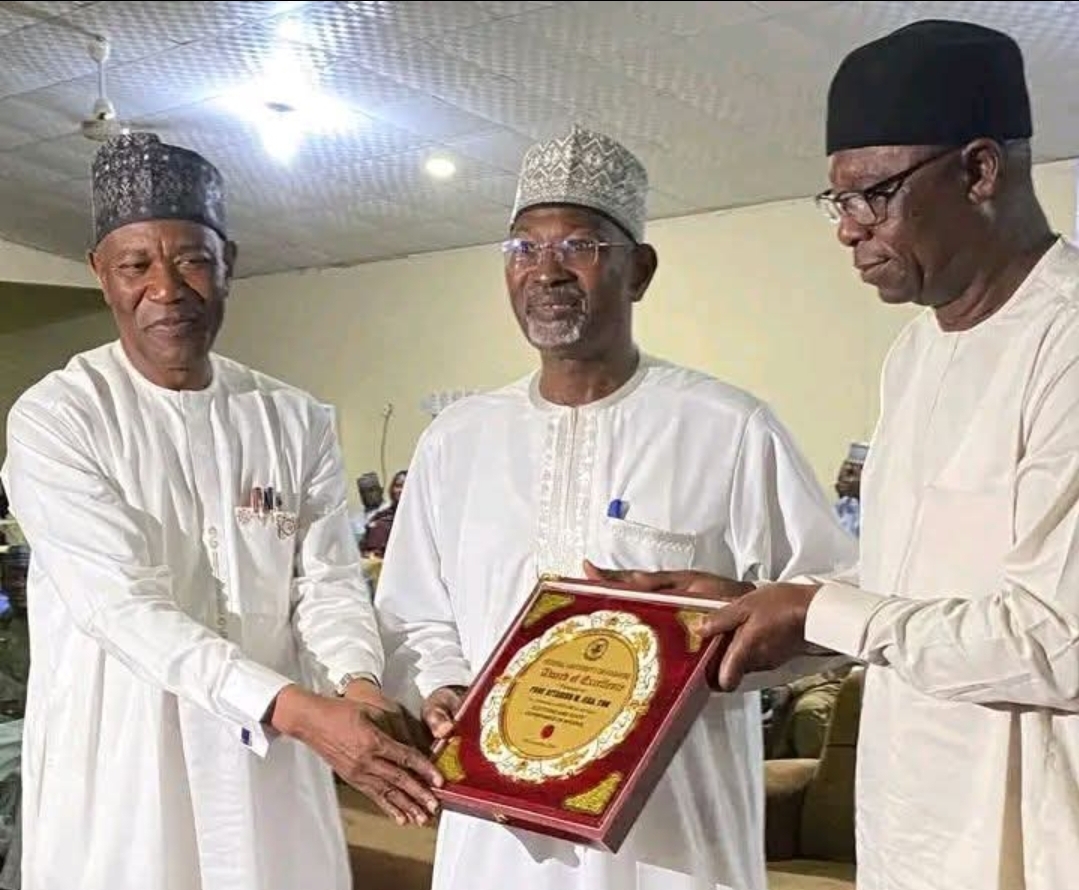
From Abdulrazaq Mungadi, Gombe
Amid rising claims that Nigeria’s democratic architecture is collapsing under its own design, former INEC Chairman Prof. Attahiru Muhammad Jega has countered that the real problem lies not in the system itself, but in the political actors who have compromised it.
In a forceful lecture delivered at Federal University Kashere (FUK), Jega dismantled the growing narrative that liberal democracy has outlived its usefulness in Nigeria. He argued that the governance model remains sound and globally validated, but has been systematically undermined by leaders who weaponize institutions, manipulate political processes, and prioritize narrow interests over national progress.
According to him, Nigeria’s democratic journey since 1999 has been defined less by structural flaws and more by the deliberate actions of operators intent on bending the system to serve personal ends. This pattern, he said, has left the country “muddling through” 26 years of democratic practice with minimal institutional consolidation.
The consequence is a governance environment riddled with underperformance. Jega pointed to the collapse of processes and institutions across all tiers of government, especially at the local government level, where he described systems as “weak or virtually collapsed.” By design, these institutions should deliver essential services, protect rights, and anchor development. Instead, he said, they now exemplify the degree to which political actors have eroded public trust.
This erosion has cascaded into the electoral arena, where voter participation continues to decline. Despite a more credible and transparent voter register, turnout remains alarmingly low. Jega linked this trend directly to disillusionment, noting that when elected officials fail to perform, citizens lose motivation to vote. “It is a demoralizing disincentive,” he remarked, underscoring how poor governance feeds apathy and weakens democratic accountability.
While many Nigerians and other political actors across Africa, increasingly argue for alternative political models, with some advocating an “Africanized” democracy, Jega dismissed the idea as a misdiagnosis. The system, he insisted, is not the enemy. The crisis stems from operators who inject selfishness, manipulation, and divisive tactics into its workings.
He called for a redirect of national energy toward restoring integrity to the political process. Central to that restoration, he emphasized, is active citizen engagement particularly from young Nigerians.
Jega warned that despite their demographic advantage, energy, and access to education, young people remain largely disengaged. He described the youth disengagement as “self-sabotaging,” arguing that the operators degrading Nigeria’s democracy will continue to thrive as long as youths stay passive. For him, the turning point begins with young citizens organizing, understanding the system, and asserting themselves as voters, reform advocates, and political actors.
The stakes, he cautioned, could not be higher. Unless Nigerians reclaim ownership of the democratic project, the future risks being “destroyed before our very eyes.” But with meaningful participation, institutional overhaul, and a shift in civic culture, he believes the system can still deliver the responsive and responsible governance the country urgently needs.