Follow Us on Google
From Uchenna Inya, Abakaliki
A group, Nutrition for Better Economy Gender, Lifestyle and Agricultural Foundation (NEEGLAR) in Ebonyi State, has observed that dementia has remained under-recogonised, under-documented, and often misunderstood in Nigeria, despite its increasing cases among the aged.
The foundation said in many communities across the country, symptoms of dementia are attributed to ageing myths rather than clinical conditions.
It said the gap leads to delayed diagnosis, caregiver burden, and social exclusion of older persons.
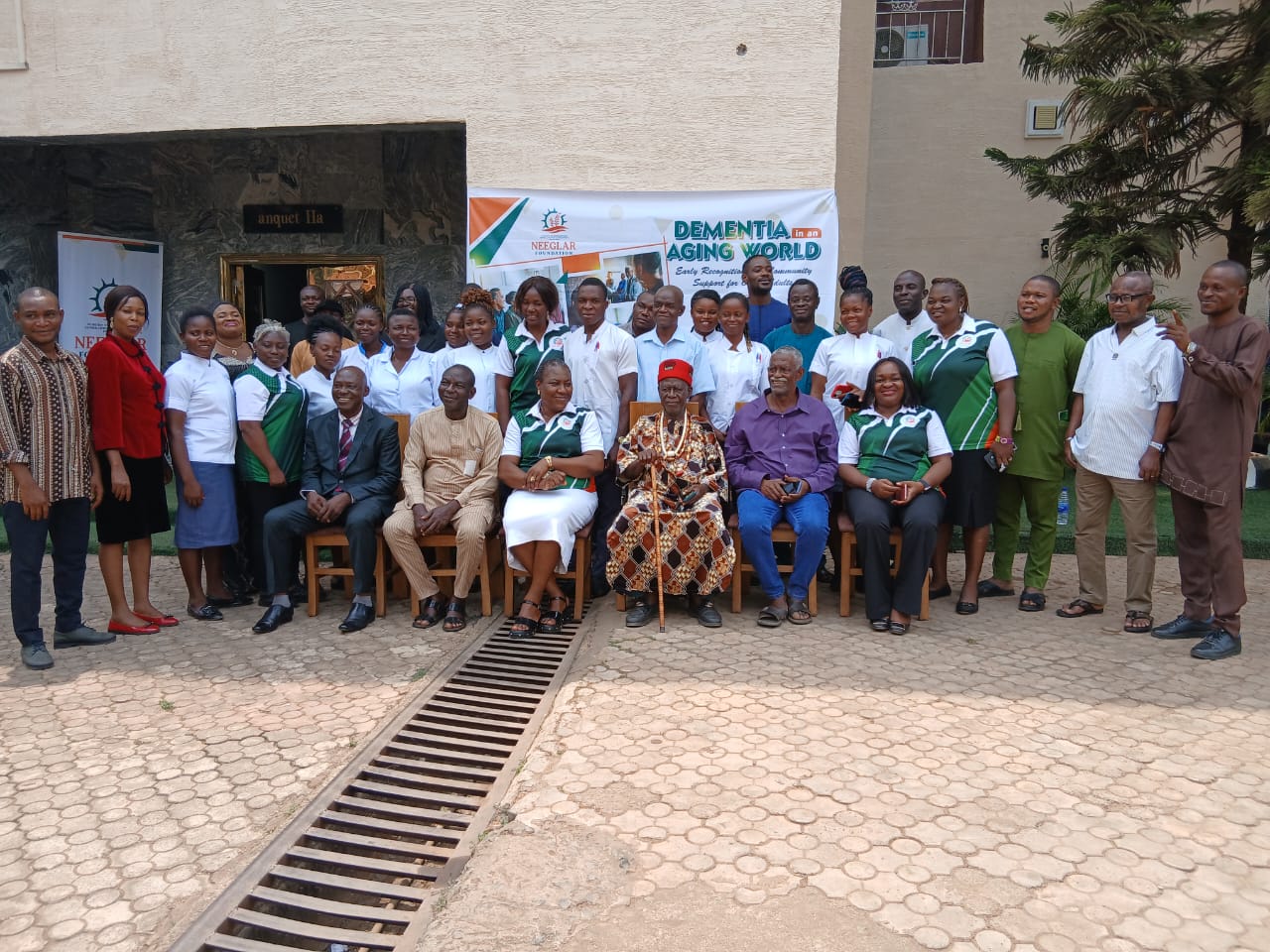
Executive Director of the foundation, Mrs Chinenye Azu Udu, made the disclosure in Abakaliki, the state capital, during a capacity building workshop with the theme, “Dementia in an Ageing World: Early Recognition and Community Support.
She said the workshop represents a structured intervention designed to strengthen community-level dementia response in the state.
“Across Nigeria, dementia remains under-recognised, under-documented, and often misunderstood. In many communities, symptoms are attributed to ageing myths rather than clinical conditions. This gap leads to delayed diagnosis, caregiver burden, and social exclusion of older persons,” she said.
She added that sustainable change in addressing dementia must begin at the primary healthcare level.
“At NEEGLAR Foundation, we believe that sustainable change begins at the primary healthcare level. Frontline health workers are the first point of contact for most families. By strengthening their capacity, we strengthen the entire health response chain,” she stated.
She said the key objectives of the workshop include improving early recognition of dementia symptoms, enhancing structured referral pathways, strengthening caregiver education and support, promoting stigma reduction through community awareness, and improving documentation for evidence-based planning.
Delivering his lecture, Dr. Cyprian Ogbonna, a nutrition specialist, described dementia as a progressive neurological disorder characterised by a steady decline in memory. He noted that memory loss is a serious clinical issue that poses challenges to patients, their families, and society at large. He said in severe cases, individuals experiencing memory loss may be unable to remember personal information about themselves, their families, or even their investments.
Ogbonna also warned that poor dietary habits among many families worsen brain health, particularly due to excessive consumption of processed foods.
“The brain requires adequate and guided nutrition to function effectively. The brain uses about 20 per cent of the body’s energy,” he said.
He implored the young to avoid skipping their morning meals to avoid brain issues in old age.