Follow Us on Google
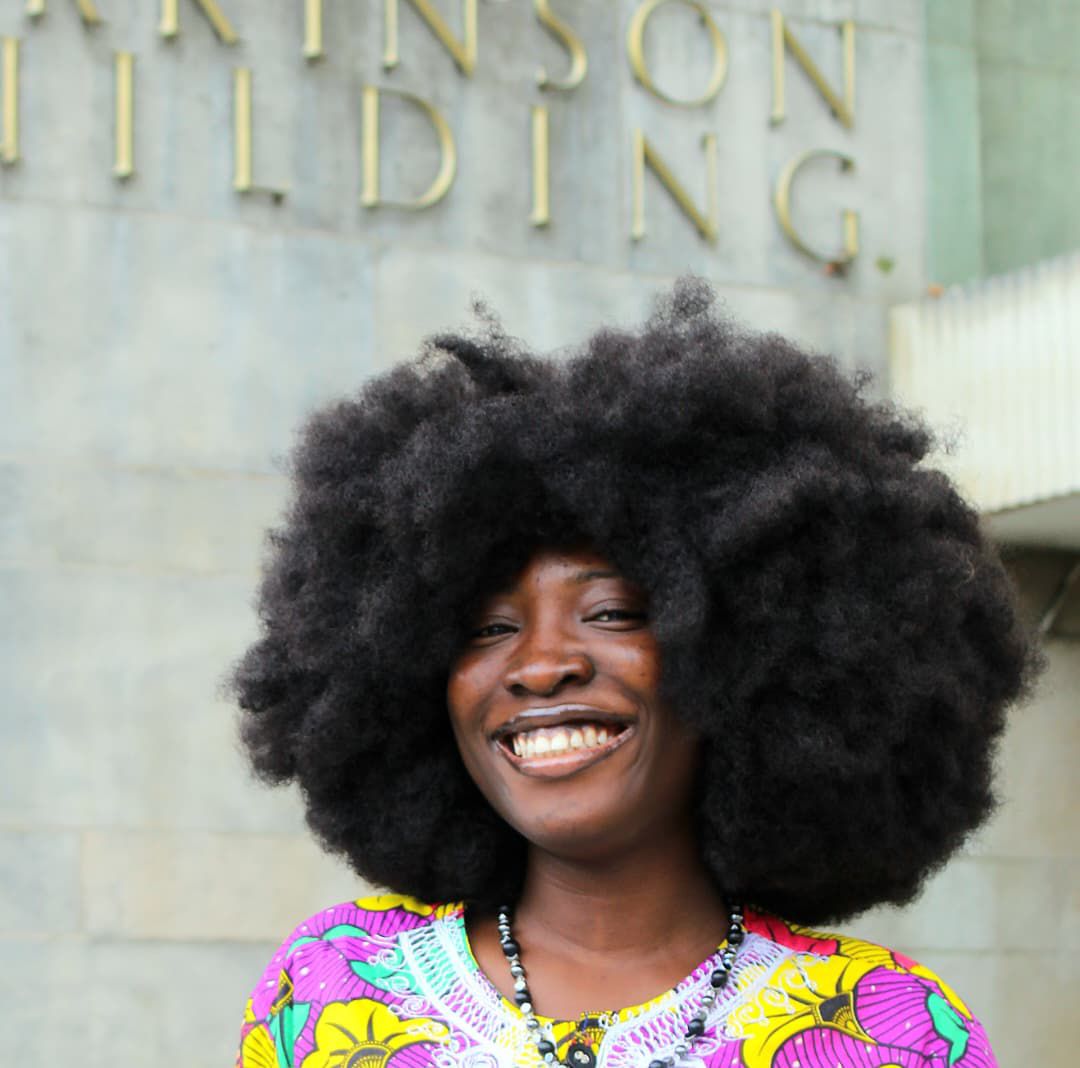
A recent statement by Jumoke Omodeni a climate justice activist & advocate, who has ignited conversations online about cultural perception and academic prestige in Nigeria, questioning why degrees in foreign languages are often celebrated while indigenous language studies are dismissed.
In a thought-provoking post shared on LinkedIn, Jumoke posed a simple but powerful question: Why do people celebrate a degree in German, yet mock a degree in Yoruba? The question quickly resonated with readers, sparking reflections on societal values, colonial history, and the psychology of validation.
According to Jumoke Omodeni, the contrasting reactions to academic choices reveal a deeper issue — what scholars often describe as internalized colonialism. While European languages such as German are frequently associated with prestige, global mobility, and intellectual sophistication, indigenous languages like Yoruba are sometimes unfairly viewed as less economically valuable or less prestigious.
Observers note that this mindset is rooted in colonial-era education systems that elevated European languages and cultural systems while marginalizing African heritage. Decades after independence, those perceptions continue to influence how academic achievements are ranked socially.
The discussion goes beyond language degrees. Analysts say it reflects how many post-colonial societies measure success often through Western validation. The implication, Jumoke omodeni suggests, is that external recognition is still seen as more credible than internal cultural investment.
Education advocates argue that indigenous language studies preserve history, literature, philosophy, and identity. They also contribute to research, cultural sustainability, translation, media, and policy development. Dismissing such fields, they warn, risks eroding cultural confidence.
Since the post gained traction, professionals and academics have weighed in, with many agreeing that Nigeria and Africa more broadly must redefine what it considers prestigious. Some commenters highlighted the need for balance: embracing global opportunities while also honoring indigenous intellectual traditions.
The conversation reflects a broader shift among younger Nigerians who are increasingly re-examining inherited narratives about value, success, and identity.
Jumoke Omodeni’s commentary ultimately challenges society to reassess its reactions and biases. Why is foreign affiliation automatically equated with excellence? What does it say about collective self-perception when indigenous scholarship is undervalued?
As debates continue, one thing is clear: the issue touches a sensitive but necessary conversation about cultural pride, educational equity, and how nations define progress in a globalized world.