Follow Us on Google
- Unskilled manpower responsible for deaths at PHCs
- Only 1.8% have minimum number of skilled birth attendants
From Fred Ezeh, Abuja
National Primary Health Care Development Agency (NPHCDA) has raised the alarm about the increasing dearth of manpower at the Primary Health Care (PHC) centres especially the ones located in rural communities, stating that such skilled manpower shortage was responsible for the rising cases of maternal deaths in PHCs.
The Agency made reference to an assessment report that revealed that only 1.8 per cent (463 out of 25,843) PHC facilities in Nigeria have a minimum number of required Skilled Birth Attendants (SBA), four per facility, adding that aside from the gross inadequacy, there was the problem of unequal distribution of available SBAs in the PHC facilities.
It stressed the urgent need to address the human resource for health gaps in PHCs, stating that 80 per cent of the incidences of maternal and child deaths in Nigeria occur at the community levels, largely due to inadequately skilled health workers in the PHC facilities.
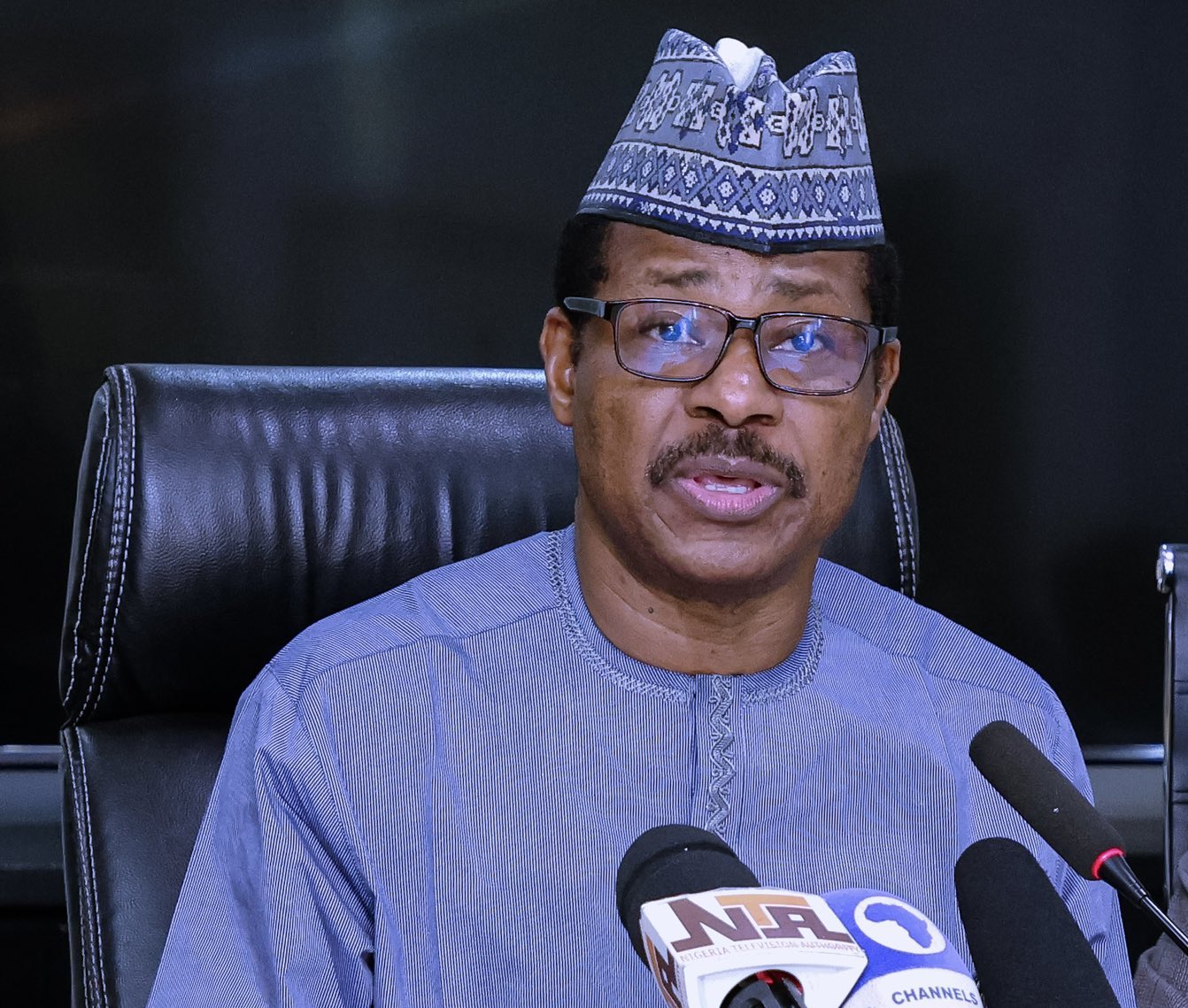
Executive Director, NPHCDA, Dr Faisal Shuaib, told journalists at a press conference in Abuja, on Wednesday, that his Agency has developed an innovation called Community-based Health Research, Innovative-training and Services Program (CRISP), that will be launched next week, at the Banquet Hall of the State House, Abuja.
Dr Shuaib explained that CRISP is a partnership between the Teaching Hospitals, Federal Medical Centres, NPHCDA, State Primary Health Care Boards, Local Government Health Authorities and the communities to support PHC development.
He added: “The intervention specifically focuses on increasing, retaining and improving the quality, adequacy, competency, and distribution of a committed multi-disciplinary PHC workforce that includes facility outreach and community-based health workers supported through effective management supervision and appropriate compensation.
“CRISP aims to leverage the rural posting of Resident Doctors from teaching hospitals to boost and guarantee the quality of care at the PHCs through active involvement in PHC service delivery. This is targeted at improving reproductive, maternal, newborn, child and adolescent health, amongst other health services within the benefiting communities.”
The NPHCDA boss said that, additionally, human resources for health, particularly skilled birth attendants such as Medical Doctors, Midwives, Nurses, and Community Health Extension Workers (CHEWs) that have been trained on how to manage emergencies would be recruited and deployed to priority PHC facilities across the country.
“Unfortunately, the PHCs are the most unattractive to our skilled health workers. They prefer to be stationed at urban secondary and tertiary health facilities. While this fact has kept PHC delivery on a setback, we have scientific evidence showing that the interventions provided by skilled health workers, namely, Doctors, Nurses, Midwives, or CHEWs, can reduce maternal and newborn mortality in Nigeria.”
Dr Faisal further explained that CRISP initiative will operate at scale involving Teaching Hospitals and Federal Medical Centres across the country, meaning that the CRISP resident doctors from the engaged teaching hospitals and federal medical centres would be deployed to PHC facilities to support service provision and on-the-job capacity building of the PHC health workers.
UNICEF Chief of Health, Eduardo Celades, in his remarks, appreciated the efforts of NPHCDA at closing the manpower gaps at PHCs, with the assurance that UNICEF is committed to any cause that would improve the health and wellbeing of Nigerians, particularly the children.