Follow Us on Google
By Lawrence Agbo
Heavy rains have triggered deadly floods across parts of West Africa, leaving communities submerged, claiming lives and disrupting economic activities in Nigeria, Ghana, Togo and Côte d’Ivoire.
In Ghana, at least 13 people were killed after heavy rainfall caused severe flooding in the capital, Accra. The government urged residents in affected areas to remain indoors or relocate to safer, higher ground as emergency responders battled the disaster.
President John Mahama described the 140 millimetres of rainfall recorded during the storm as the highest the country had experienced in years, attributing part of the crisis to the growing effects of climate change.
According to him, “That aspect of the problem is beyond our control because it is driven by changing climatic conditions.”
The BBC reported that Accra’s perennial flooding has been worsened by inadequate drainage infrastructure, blocked gutters and illegal buildings erected along waterways.
Neighbouring Togo also recorded widespread flooding in parts of its capital, Lomé, after days of persistent rainfall, while in Côte d’Ivoire, at least 12 people lost their lives and five others were injured after heavy downpours inundated Abidjan.
Nigeria has also been severely affected, with floodwaters overwhelming communities in Lagos, Ogun, Oyo, Osun, Abia, Cross River, Anambra and Delta states.
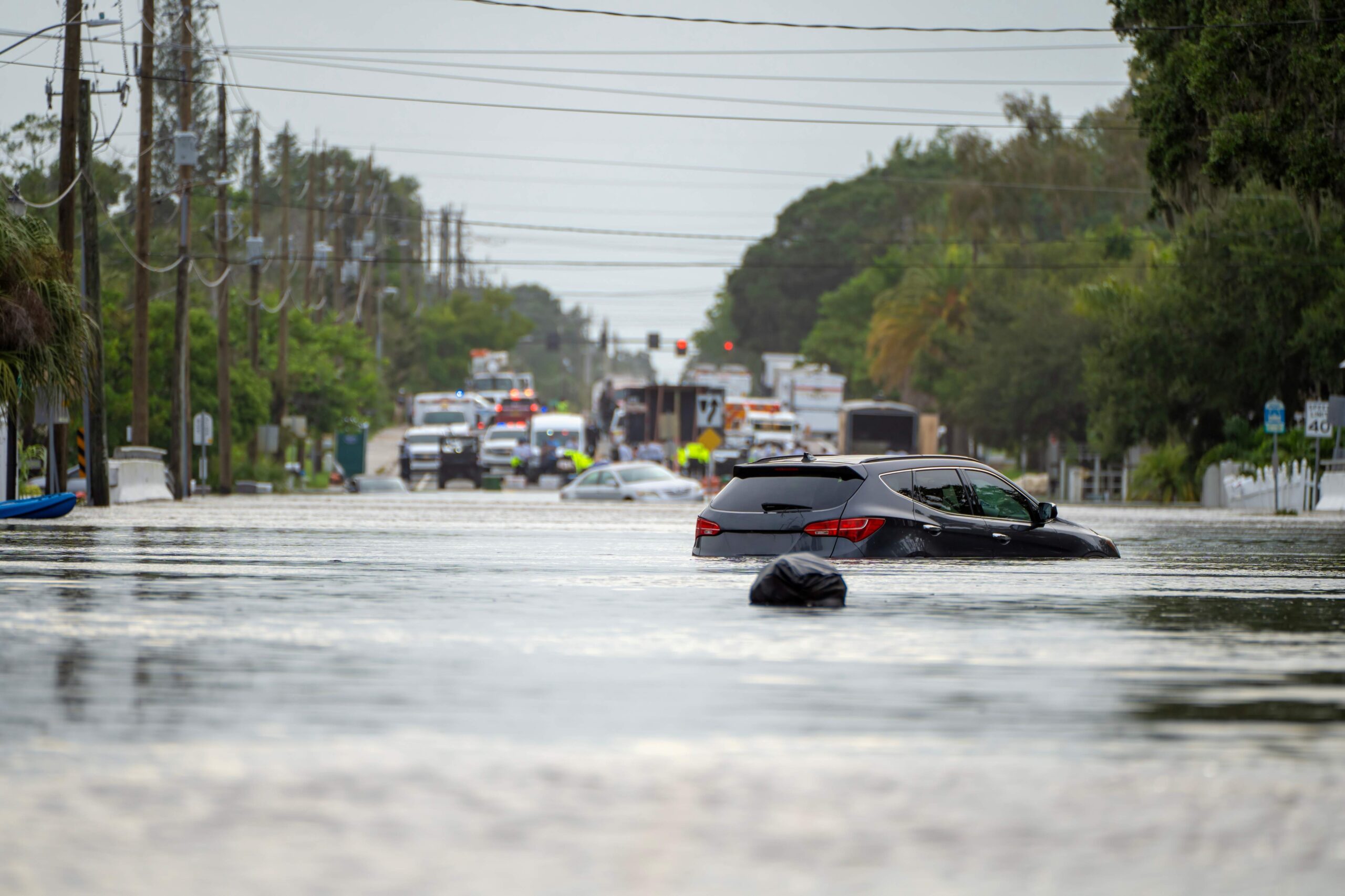
Several roads became impassable as vehicles were trapped in rising floodwaters, while businesses and residential areas were submerged following days of intense rainfall.
Other News
Residents recounted significant losses as homes were flooded and commercial activities brought to a halt.
One Lagos resident, identified simply as James, said his family spent the night trying to protect their belongings from the flood.
“We barely slept last night. My home was flooded, and we had to raise our mattress so it wouldn’t soak up water,” he said.
Shop owners in parts of Lagos also said they were unable to reopen for business because floodwaters had yet to recede.
Experts have linked the worsening floods across the region to climate change, warning that Africa—despite contributing the least to global greenhouse gas emissions—remains among the continents most vulnerable to extreme weather events.
The latest flooding has renewed concerns over Nigeria’s preparedness despite repeated forecasts from the Nigerian Meteorological Agency (NiMet) and the Nigeria Hydrological Services Agency (NIHSA), both of which warned earlier this year that above-normal rainfall and severe flooding would affect many parts of the country.
NIHSA identified more than 14,000 communities across 266 local government areas in 33 states and the Federal Capital Territory as being at risk, with flooding expected to peak between July and September.
Meanwhile, the Lagos State Government has acknowledged that flooding cannot be completely eliminated because of the state’s coastal location, rapid urbanisation, rising sea levels and decades of development on wetlands.
Commissioner for Environment and Water Resources, Tokunbo Wahab, said the government would continue investing in drainage infrastructure, enforcing planning regulations and improving flood management to reduce the impact of future disasters.