Follow Us on Google

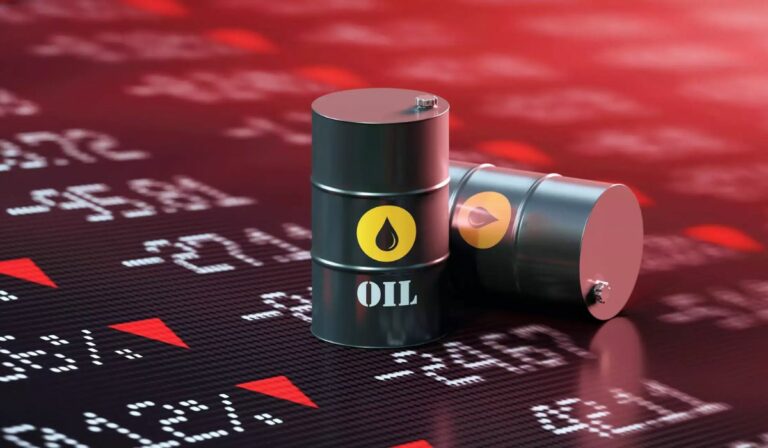
The Dangote Petroleum Refinery has said investor confidence in its IPO continues to show signs of strength following projections that the Dangote Group is on course to generate approximately $36 billion in revenue in 2026, driven by robust performance across its diversified industrial businesses and ambitious expansion plans across Africa.
The positive market sentiment has been fueled by disclosures from Dangote Group’s Chief Strategy Officer, Aliyu Suleiman, who revealed that the Group generated approximately $17 billion in revenue during the first half of 2026 and is on track to achieve a record $36 billion in revenue by year-end, representing a 100 per cent increase over the $18 billion recorded in 2025.
The outlook has attracted strong interest from investors who see the Dangote Petroleum Refinery as a unique opportunity to participate in one of Africa’s most transformative industrial enterprises.
Speaking after subscribing to the refinery’s IPO, a Lagos-based institutional investor, Mr. Tunde Adebayo, described the investment as a long-term wealth creation opportunity.
“The projected growth trajectory of the Dangote Group and the refinery’s strategic position in the global energy market gave us strong confidence to invest. The forecast revenue of $36 billion demonstrates the scale of the business and the value creation potential available to shareholders.”
Similarly, Mrs. Amina Bello, a private investor from Abuja, said the refinery represents a rare opportunity to invest in a world-class African enterprise.
“What attracted me is the refinery’s ability to serve both the Nigerian market and export destinations across Africa and beyond. Few businesses on the continent have this level of infrastructure, market reach, and growth prospects. I believe this investment will generate substantial long-term returns.”
Meanwhile, the Dangote Cement Transport has been honoured with the Champion of Transport Industry Development Award by the Transport Correspondents Association of Nigeria (TCAN), in recognition of the company’s contributions to advancing road transport operations, safety standards and logistics efficiency in Nigeria.
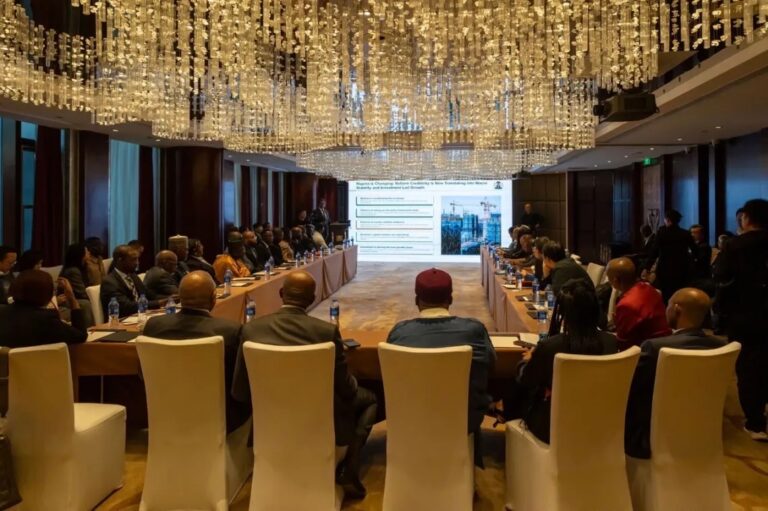
The prestigious award was presented during the 3rd Transport Summit organised by TCAN in Lagos, bringing together key stakeholders, policymakers, regulators and industry leaders to discuss strategies for transforming Nigeria’s transport sector and driving sustainable growth.
Leader of the Dangote Cement delegation to the summit, Mr. Murilo Silva, who is the Head of Dangote Cement Transport, received the award on behalf of the Transport management and reaffirmed Dangote Cement’s commitment to promoting safety, innovation and excellence across the transport value chain.
Silva described the recognition as a testament to the hard work, dedication and professionalism of the company’s transport workforce, drivers, safety teams and operational partners.
“We are deeply honoured to receive this award from the Transport Correspondents Association of Nigeria. This recognition reflects Dangote Cement Transport’s unwavering commitment to developing a safe, efficient and sustainable transport system that supports economic growth and national development,” he said.
According to Silva, transportation remains a critical enabler of industrialisation, trade and economic prosperity, stressing that Dangote Cement will continue to invest in technologies, safety initiatives and operational efficiencies aimed at raising industry standards.
“At Dangote Cement, we recognize that transportation is much more than moving goods from one point to another. It is a vital link in the nation’s economic ecosystem. We will continue to deploy innovative solutions, strengthen safety culture and collaborate with stakeholders to improve road transport operations across the country,” he added.
Silva dedicated the award to the thousands of transport professionals, drivers, engineers and logistics personnel whose commitment ensures the seamless movement of products across the company’s extensive distribution network.
Other News
“This award belongs to our drivers, our safety professionals and every member of our transport team who work tirelessly every day to ensure that our operations are safe, reliable and efficient. Their dedication continues to inspire our pursuit of excellence,” he noted.
The TCAN award further highlights Dangote Cement Transport’s growing reputation as one of Nigeria’s leading logistics and haulage operators, with significant investments in fleet management, driver training, road safety initiatives and technology-driven transport solutions.
Highlight of the summit was a presentation by presidential aide Dr. Segun Obayendo, Technical Assistant on Transportation to Nigeria’s Vice-President, who called for the establishment of Lagos Metropolitan Area Transport Authority (LAMATA)-style transport systems in all 36 states of the federation as part of efforts to modernize transportation nationwide.
According to Obayendo, the Presidency has commenced a Presidential Initiative on Road Transport Transformation, aimed at improving transport planning, coordination and service delivery across the country. He stressed that replicating the LAMATA model in other states would help create more efficient, integrated and sustainable transport systems capable of supporting economic development and improving mobility for citizens.
Participants at the summit emphasized the need for stronger collaboration among government agencies, transport operators, private sector organisations and development partners to address infrastructure challenges, enhance safety standards and accelerate innovation within the sector.
The recognition of Dangote Cement Transport at the event underscores the company’s contributions to the evolution of Nigeria’s transport landscape and its continued role in supporting national economic development through efficient logistics and supply chain management.
The award also reflects industry acknowledgement of Dangote Cement Transport’s commitment to operational excellence, safety leadership and the adoption of best practices that continue to strengthen Nigeria’s transport ecosystem.
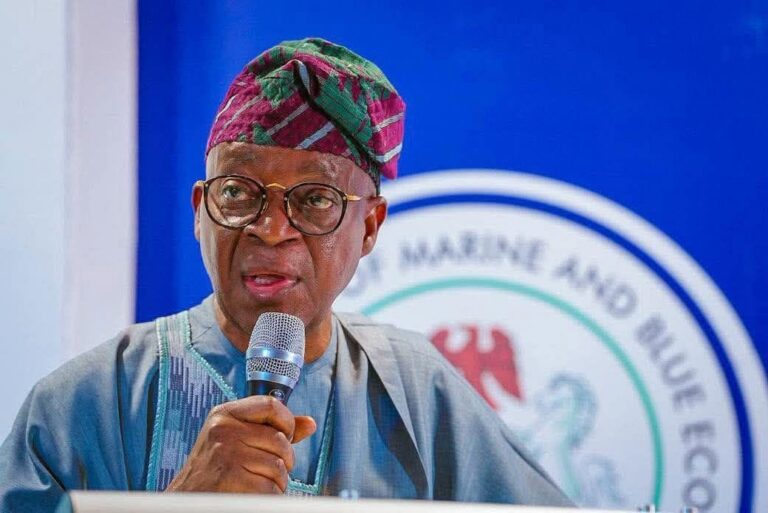
Also speaking at the summit, the Minister of Marine and Blue Economy, Adegboyega Oyetola, said the cost, speed, reliability and predictability of moving goods have direct implications for investment, production, trade and employment and therefore port and waterway performance cannot be considered in isolation, because they are part of a chain that includes roads, rail, warehouses and distribution networks.
The Minister who was represented by Mr Paul Ganuwa, Director of Inland Transport Services at the Nigerian Ports Economic Regulatory Agency (NPERA), hinted that with President Tinubu’s approval, the Ministry was set to begin the country’s most ambitious seaport modernization programme in more than five decades.
The planned mordernisation, he disclosed covers Apapa and Tin Can Island Ports in Lagos, Onne Port, Rivers Port, Calabar Port and Warri Port, and involves reconstructing quay walls, deepening channels for larger vessels, replacing obsolete cargo-handling equipment and further digitalising terminal and gate operations. The aim is to increase capacity, reduce vessel and cargo-handling delays and lower unit logistics costs.
Looking ahead, he said the Ministry is working with sub-national governments and private partners on deep seaport developments in Akwa Ibom, Bayelsa, Cross River, Ogun, Ondo and Rivers to expand capacity and reduce pressure on existing gateways.
He described the Nigeria Ports Economic Regulatory Agency Act 2026 as an important reform, saying NPERA now gives Nigeria a permanent framework for regulating tariffs and charges, service standards, competition and the protection of port users.
The NRC Managing Director, Dr Kayode Opeifa, speaking through his Special Adviser, Media, Yinka Aderibigbe called for stronger integration of rail, road and maritime transportation to cut logistics costs, boost trade and unlock economic potential pointing out that Nigeria must build a network in which rail, road, maritime, inland waterways and aviation complement one another rather than operate in isolation.
He said rail can ease pressure on highways, lower logistics costs and move agricultural produce, petroleum products and containers, and that the corporation is strengthening freight operations and links to seaports, inland dry ports and industrial centres.