Follow Us on Google

•Records 2,500 seizures worth N59bn
From Godwin Tsa, Abuja
The Nigeria Customs Service (NCS), yesterday, declared that it generated N7.18 trillion in revenue for the 2025 fiscal year, surpassing the N6.5 trillion target set for the previous year by N697 billion (10.46 per cent).
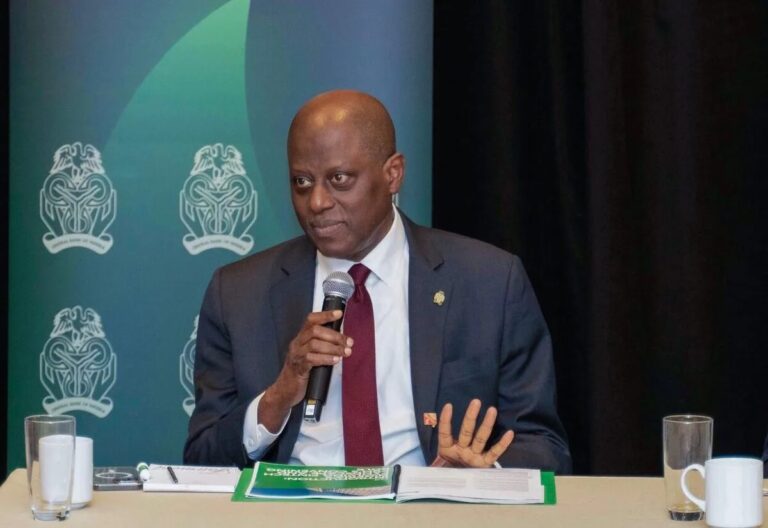
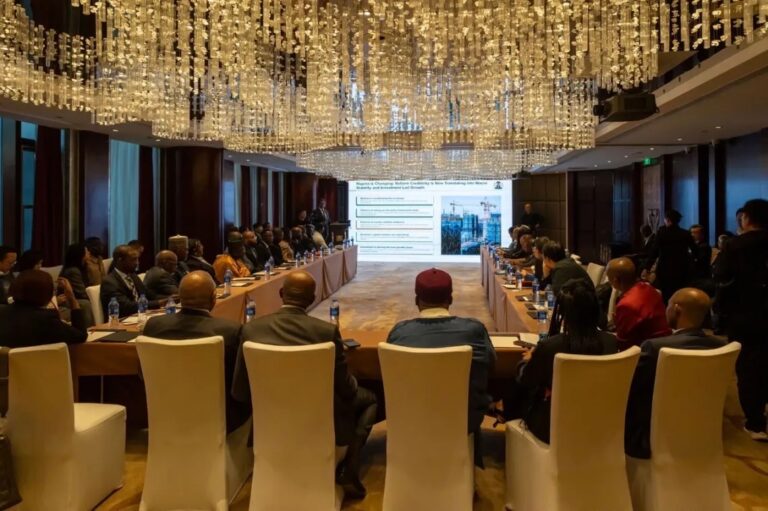
The Comptroller General, Adewale Adeniyi, disclosed this in Abuja at the International Customs Day 2026, themed: ” Customs protecting society through vigilance and commitment”.
Adeniyi, who attributed the feat to ongoing reforms undertaken by the Service, noted that Nigeria Customs is consolidating its transformation into a modern, intelligence-driven institution that simultaneously protects society and facilitates lawful trade.
The Customs boss, who officially launched the Nigeria Time Release Study (TRS), described it as a dual milestone in the Service’s journey toward building a Customs administration that protects society while enabling prosperity through efficient and predictable trade processes.
Commenting on the Service’s revenue performance, Adeniyi disclosed that the Nigeria Customs Service collected N6.1 trillion in 2024, noting that the 2025 figure represents an increase of approximately N1.18 trillion, or about 19 per cent year-on-year.
He emphasised that the numbers are not a form of self-praise but a reflection of tangible results from ongoing reforms, driven by enhanced compliance, better data utilisation, digital tools, and disciplined enforcement, rather than arbitrary measures or undue burdens on legitimate traders. Adeniyi added that this performance was achieved while strengthening collaboration with the private sector and upholding facilitation commitments.
Adeniyi, however, emphasised that vigilance must coexist with facilitation, stressing that a modern Customs administration must detect high-risk consignments without suffocating legitimate trade. It was within this context, he said, that the official launch of the Time Release Study became highly significant.
He described the TRS as a major step toward making Nigeria’s trade gateways secure, efficient, predictable and globally competitive, noting that it signals a shift from opinion-driven reforms to evidence-based reforms, and from complaints-driven policy to data-driven policy.
Other News
The CGC explained that the World Customs Organization (WCO) dedicated the 2026 International Customs Day to the theme, “Customs Protecting Society Through Vigilance and Commitment,” noting that the theme speaks directly to the mandate of the Nigeria Customs Service and the daily realities of officers at borders, ports and communities across the country. He explained that real protection involves intercepting narcotics capable of destroying young lives, blocking counterfeit medicines that endanger patients, seizing hazardous environmental materials, preventing arms from reaching criminal networks, and ensuring that imported products are safe for consumption. In many cases, he noted, the public may never see these interventions, but would certainly feel their devastating consequences if Customs failed to act.
Reflecting on operational outcomes from the previous year, the CGC stated that the Service, working closely with sister agencies, disrupted multiple criminal supply chains before they reached Nigerian communities. He disclosed that officers at Apapa Port uncovered 16 containers of prohibited goods valued at over N10 billion, combining narcotics, expired pharmaceuticals and concealed firearms in a single operation.
At the airports, officers intercepted more than 1,600 exotic birds being trafficked without CITES permits, thereby halting a major wildlife crime operation. Across land borders, teams seized illicit narcotics, counterfeit medicines worth hundreds of millions of naira, as well as ammunition and other prohibited items moving through covert routes.
He stressed that while such operations may not dominate headlines for long, their impact is enduring, translating into fewer young people exposed to harmful drugs, fewer weapons reaching criminal networks, fewer counterfeit medicines reaching patients, and fewer endangered species removed from Nigeria’s ecosystem.
In cumulative terms, the CGC revealed that the Service recorded over 2,500 seizures nationwide, with an aggregate value exceeding ₦59 billion in prohibited and harmful goods. These seizures spanned narcotics, counterfeit pharmaceuticals, wildlife products, arms and ammunition, petroleum products, vehicles and substandard consumer goods, preventing addiction, unsafe treatment, violent crime, subsidy exploitation, environmental degradation, treaty violations and avoidable funerals.
The CGC outlined a three-pronged strategy for sustaining the dual mission of protecting society and enabling prosperity. This includes investing in intelligence-led, technology-driven enforcement through tools such as risk management, non-intrusive inspection, post-clearance audit and data analytics; institutionalising procedural reforms that reduce clearance times and eliminate bottlenecks; and strengthening partnerships with government agencies, the organised private sector, port and maritime operators, financial institutions and international bodies such as the WCO.
Adeniyi reiterated that protecting society through vigilance and commitment is a long-term philosophy rather than a one-year slogan, stressing that safety and prosperity are not mutually exclusive and that Customs stands at the nexus of economic growth and national security.
He acknowledged the support of President Bola Tinubu in the ongoing reform process, appreciated the Honourable Ministers present, the WCO and the Government of the United Kingdom for supporting the TRS programme, and commended officers of the Nigeria Customs Service who continue to work in challenging environments, alongside partners in government and industry.