Follow Us on Google
By Vera Wisdom-Bassey
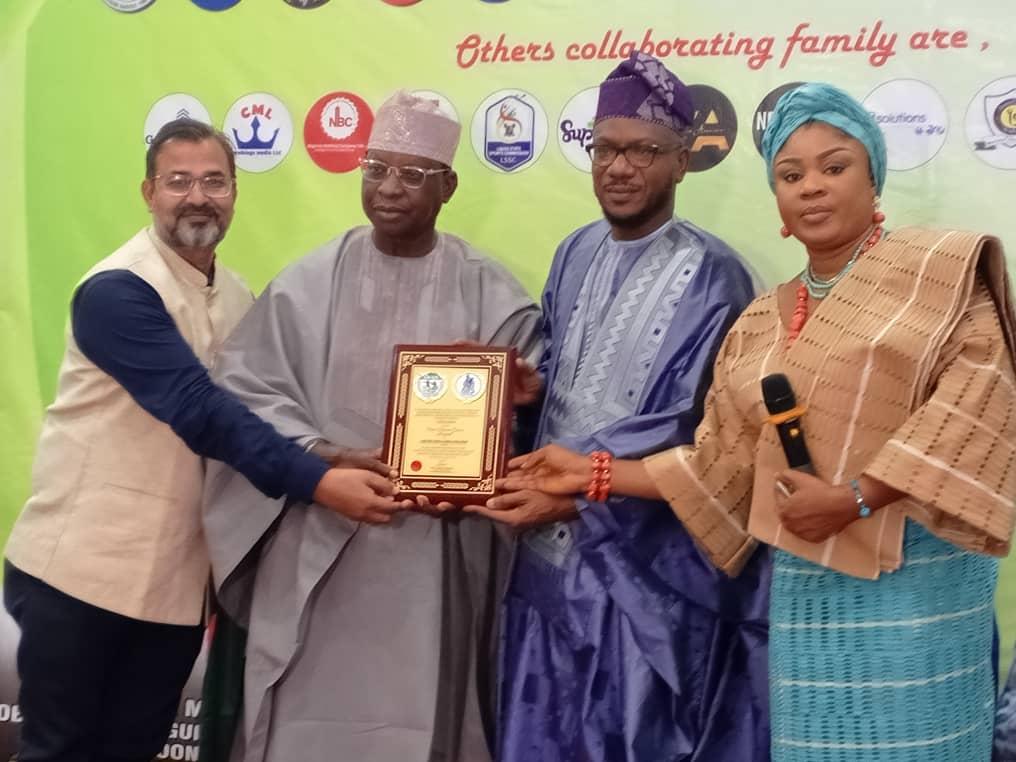
At a recent gathering hosted by the Sports Writers Association of Nigeria (SWAN) in Lagos, Mohamadou Musa Njie, The Gambian Ambassador to Nigeria, delivered a compelling call to action for African leaders and citizens alike: to promote and preserve Africa’s rich cultural heritage. Held under the theme “International Diplomacy, its Diversity of Foods, Drinks, Music, Arts, Culture, and Fashion,” the event underscored the critical role culture plays in fostering economic development and strengthening international ties. The event, organized in collaboration with the Pan African American Chamber of Commerce (PAACC), attracted prominent dignitaries, diplomats, and cultural enthusiasts from across the globe.
Ambassador Njie emphasized that African cultures, if effectively showcased, have the potential to captivate global audiences, particularly in European markets. “Our culture is our most significant export,” he noted, highlighting its potential to enhance tourism, create jobs, and contribute to economic growth. However, he stressed that this vision could only be realized if Africans demonstrate greater discipline. “We need discipline in every facet of our society—among our leaders, public servants, and citizens alike. Without it, any efforts to promote our culture on the global stage will fall short.”
Njie elaborated on how cultural promotion requires a concerted effort from all sectors of society. “From government ministers to motor drivers and street vendors, everyone has a role to play. Discipline must be ingrained in our daily lives, influencing how we interact, conduct business, and represent our countries.” This, he argued, is the foundation for sustainable growth and development.
The ambassador’s message resonated strongly in the context of regional cooperation. He urged member states of the Economic Community of West African States (ECOWAS) to preserve and promote their unique cultural assets. “Our food, music, art, and traditions are unparalleled. We must find innovative ways to share these treasures with the world, not only to boost tourism but also to foster pride and unity within Africa.” Drawing from his experience in The Gambia, a country of 2.5 million people, Njie noted how cultural initiatives can drive economic progress even in smaller nations. “Investing in culture is investing in our future.”
Since arriving in Nigeria four years ago, Ambassador Njie has been deeply impressed by the country’s rich cultural tapestry. “Nigeria’s diversity is extraordinary, and every day, I am inspired by its vibrant traditions. I make it a point to wear Nigerian attire, alternating it with traditional Gambian clothing, to celebrate our shared heritage. As an ambassador, I see it as my duty to project a positive image of Africa.”
He highlighted the global impact of Nigerian music, particularly Afrobeats, as a prime example of cultural diplomacy. “Afrobeats has become a global phenomenon. No international event is complete without it. We need to harness this momentum and blend it with other elements of our culture to attract investors and tourists.”
Njie’s remarks also touched on the need for individual accountability. “Discipline starts within us. As Africans, we must commit to punctuality, integrity, and excellence. Corruption and inefficiency hold us back. If we can instill these values at the household level, they will permeate society, leading to a brighter future.”
Ambassador Olatutu Oladuni, Chairperson of SWAN and Head of Foreign Relations at PAACC, echoed Njie’s sentiments. She explained the motivation behind the initiative, emphasizing the importance of cultural diplomacy. “When I assumed leadership at SWAN, I recognized the need to create robust programs that would attract public and international interest. Culture and sports are powerful tools for diplomacy and economic growth. Our goal is to foster partnerships with organizations like the United Nations and the European Union.”
Oladuni stressed the importance of authenticity. “Culture is personal. It’s not about conforming to societal expectations but expressing our true identities. When we embrace our cultural heritage, we project strength and resilience, inspiring others to do the same.”
The event, now in its second year, brought together an impressive roster of dignitaries, including His Imperial Majesty Oba Adeyeye Ogunwusi, Ambassador Fatoumoutta Gaye from the African Union, and Dr. Kirti Sudhanshu from India’s Kirti Kare Foundation. Their presence underscored the universal appeal of African culture and the potential for cross-cultural collaboration.
In his closing remarks, Ambassador Njie reiterated his call for collective action. “The world is watching Africa. We have the resources, talent, and heritage to lead. But it starts with us. We must invest in our culture, demand accountability from our leaders, and uphold the values that make us unique.”
The event concluded on a hopeful note, with participants agreeing that promoting African culture is not just a strategy for economic growth but a mission to preserve the continent’s identity for future generations. As Njie aptly put it, “Our culture is our legacy. Let’s cherish it, celebrate it, and share it with the world.”