Follow Us on Google
By Braide Damiete
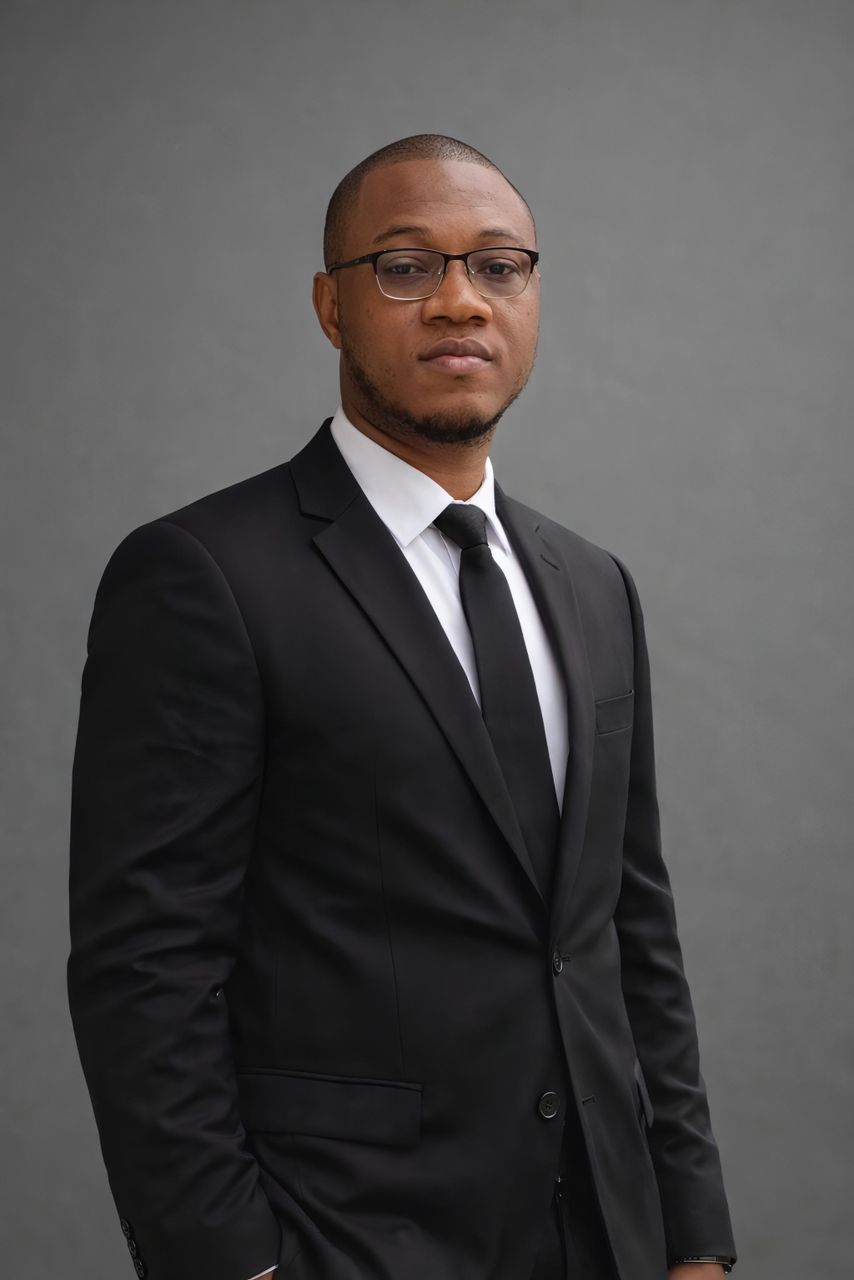
Samson Oriyomi Yusuf is a talented Nigerian visual artiste whose journey started in 2020 after leaving his job as a cyber-security engineer to focus on his first love which is photography.
Overtime, he has had exhibitions in Nigeria, Ghana and the United Kingdom. He speaks with ??? about his journey, love for arts, inspirations and aspirations.
You began your professional journey in cybersecurity before fully transitioning into fine art photography. At what point did you realize the camera was no longer a hobby but a calling?
I think the realization came gradually. Photography had always been present in my life from my teenage years, but I treated it as something personal. During my time in cyber security, I began to notice that the moments I felt most alive were when I was building visual ideas, not just technical systems. Around 2019, I started creating more intentional bodies of work, and I realized I was thinking in series, not snapshots. That shift told me it was no longer a pastime, it was direction.
How has your background in cyber security engineering influenced the way you construct and conceptualize your photographic series?
Cyber security trains you to think in structure, to understand layers, vulnerabilities, hidden frameworks. I approach photography in a similar way. Before I create a series, I think about its architecture. What is the emotional framework? What is concealed beneath the surface? Even my lighting choices are deliberate. I rarely shoot impulsively; there is always a system behind the silence.
Your exhibitions often revolve around themes such as silence, memory and identity. What draws you repeatedly to these introspective subjects?
I am fascinated by what people carry but do not say. In many African cultures, strength is often expressed through restraint. Silence becomes a language. I try to photograph that quiet weight, the inherited stories, the cultural codes, the personal histories that are not loudly performed but deeply felt.
In She Carries the Night and The Silence We Carry, there appears to be a strong emotional undercurrent. Do you approach each series from personal experience, cultural observation, or both?
It is always both. I draw from my personal reflections, but I also observe patterns within society. I listen to conversations, watch gestures, and notice what remains unsaid. The emotional tone of my work often emerges from that intersection between individual experience and collective memory.
You have exhibited in Nigeria, Ghana and the United Kingdom. How does the reception of your work differ across these spaces?
In Nigeria and Ghana, audiences often connect immediately with the cultural references. There is familiarity in the symbols. In the United Kingdom, especially among diaspora audiences, the conversations lean more toward identity and migration what it means to hold culture in a different environment. The core themes resonate in both spaces, but the interpretations vary.
Your 2024 Cultural Heritage Portrait Series documented Yoruba, Igbo and Hausa identities. What responsibility do you think contemporary artists have in preserving cultural memory?
I believe artists have a quiet responsibility to archive their time. Cultures evolve quickly. If we do not document them thoughtfully, nuances are lost. My role is not to romanticize heritage, but to frame it with dignity and clarity so that future generations can see both its beauty and its complexity.
Several of your projects have been commissioned by institutions and corporate bodies. How do you balance artistic integrity with commissioned briefs?
I see commissions as conversations. An institution may have a goal, but I bring my own visual language to the table. I am careful to accept projects that align with my core themes. If the values connect, the collaboration feels natural. If they do not, I respectfully decline.
In Movements, shown in London, you reinterpreted ritual through carefully staged portraiture rather than documentary realism. Why was that distinction important to you?
Documentary photography captures what is happening. Conceptual portraiture interprets what it means. I wanted to slow ritual down to freeze it in a way that allows viewers to examine gesture, posture and symbolism without distraction. It becomes less about spectacle and more about transmission.
Many young photographers struggle to build cohesive bodies of work. What advice would you give to emerging creatives trying to move from taking pictures to developing conceptual series?
Slow down. Ask yourself what question you are trying to answer. A strong series begins with curiosity, not aesthetics. Also, consistency is key. Build around a central idea and allow each image to contribute to that larger conversation.
You have delivered lectures and critique sessions at academic and art institutions. What gaps do you see in the way fine art photography is taught or understood in Nigeria?
I think we sometimes focus too heavily on technical perfection and not enough on conceptual depth. Equipment is important, but intention is more important. Young photographers must learn to articulate why they are creating, not just how.
Looking at the broader art ecosystem, do you believe contemporary African photographers are receiving adequate international recognition?
Recognition is improving, but there is still room to grow. African photographers are producing thoughtful, globally relevant work. What we need is more sustained institutional support and critical writing that situates our work within global discourse.
Personality-wise, you seem drawn to stillness and quiet themes. Are you naturally introspective, or is that simply an artistic choice?
I am naturally introspective. I observe more than I speak. I think that temperament shapes my art. The studio is a quiet space for me, a place where reflection becomes visible.
How do you handle criticism, especially when viewers interpret your work differently from your original intention?
I welcome interpretation. Once a work is released, it belongs partly to the viewer. If someone sees something I did not consciously place there, it means the image is alive. Constructive criticism helps me refine my clarity.
Outside the studio, what kind of experiences or environments recharge your creativity?
Traveling quietly, visiting old architecture, spending time in spaces with history. I am drawn to places where time feels layered. Even conversations with elders can spark ideas for new series.
When you reflect on your journey from a teenage photography enthusiast to an internationally exhibiting artist, what has surprised you most about yourself?
I am surprised by my patience. Transitioning from cyber security to art required faith and discipline. I have learned that growth in this field is not instant. It is built through consistency, reflection and a willingness to evolve.