Follow Us on Google
• Medical experts allay fears of superstitious believers
By Ngozi Nwoke
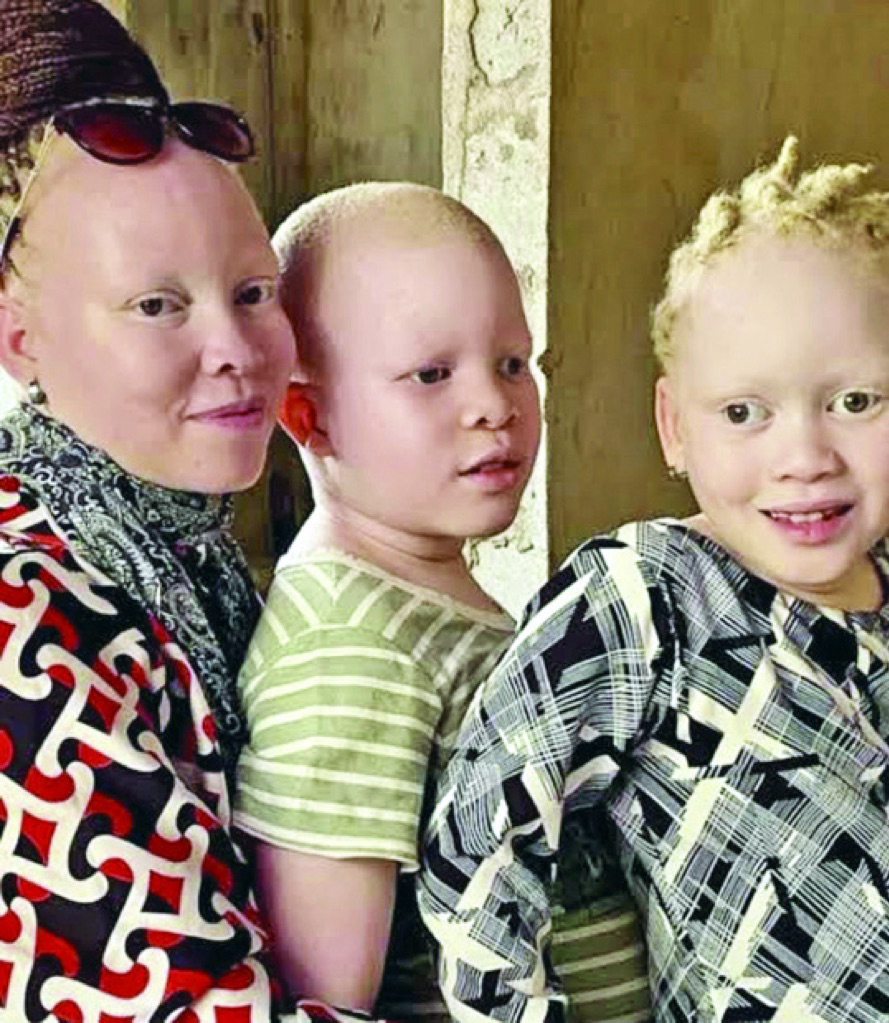
For Tola Adeyemi who lives with albinism, walking under the scorching sun in the dry season in a city like Lagos is a big challenge. Carrying sunscreen in her bag is not optional: it is a necessity.
The sun is both life-giving and dangerous for her and an estimated one in every 5,000 Nigerians living with albinism. But the greater issue, she says, has always come from society, not the weather.
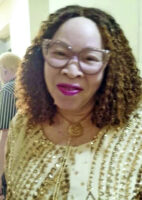
From childhood up till now that she is 24, she has always heard people make negative remarks about her, sometimes insinuating that she is cursed. From the stares in public places, to myths that her body parts bring wealth or luck, the stigma and superstitious beliefs follow her everywhere she goes –classrooms, workplaces, and even family gatherings.
Born by a mother with albinism as an only child, she explained that the discrimination, the fear, and the harmful beliefs spread by people, makes her daily life harder than the effects of the sun.
39-year-old Jerry Ene, a Lagos based graphic designer who earns a living from building websites for big businesses said he suffers rejection, especially from ladies because of his albinism.
“My biggest challenge was university. I failed a course once because I couldn’t read the exam paper in time. My career has been better, but dating a woman has been complicated. Some ladies think I can’t have children, or that my children will automatically have albinism. Others stigmatise me. I walk away from such people.”
Ene also worries about security as viral videos of attacks on people living with albinism in some African countries have made him cautious.
“I don’t post my location. I don’t want to be seen as different in a bad way. I just want to be Emeka, the graphic designer.”
According to medical experts, Albinism is a genetic condition. It happens when the body produces little or no melanin, the pigment that gives color to skin, hair, and eyes. It is inherited when both parents carry a recessive gene, even if neither parent has albinism.
But despite scientific explanations, in some Nigerian communities, people with albinism have been called cursed, ghosts, or omens. In the worst cases, superstition has led to physical attacks because of false beliefs that their body parts bring wealth or luck.
Ifeoma Nwankwo, a consultant dermatologist at the Nnamdi Azikiwe University Teaching Hospital, with 14 years of practice, explains that “Living with albinism means managing two primary health needs for life: protecting the skin and supporting the eyes. It is not a disease. It is not contagious. It does not define a person’s intelligence, character, or destiny.
“People with albinism have very low melanin, so their skin has almost no natural protection from UV rays. Without daily sunscreen, protective clothing, and regular skin checks, the risk of sunburn and skin cancer is extremely high, even in our climate. We also see dry skin, freckling, and precancerous lesions if care is inconsistent. Skincare is not cosmetic for them. It is medical.”
Nwankwo advises SPF 50+, reapplication every 2-3 hours outdoors, long sleeves, hats, and avoiding midday sun. She also stresses early screening.
“If we catch changes early, we can treat them. The goal is for my patients to live long, healthy lives without fear of the sun,” she explained.
Kelvin Nwigwe, a pediatric ophthalmologist, describes what he sees in clinic every week: “Most people with albinism have low vision known as nystagmus, that is involuntary eye movement and photophobia, which is extreme sensitivity to light. Reading the board in class or reading small text can be very difficult. But with the right support, they do very well.
“That support includes prescription glasses, tinted lenses, magnifiers, and seating arrangements in classrooms. The eyes don’t get ‘cured,’ but function can improve a lot. The biggest barrier is late presentation and lack of awareness that these aids exist,” Nwigwe advised.
Chiamaka Udo, a lawyer and National Programmes Coordinator for a Lagos-based albinism advocacy group explains the frustration of some people living with albinism.
“We are done begging for inclusion. We are demanding it. For too long, albinism has been discussed in shadows and superstition. We need policy protection, but we also need faces. Children need to see teachers, doctors, and presenters with albinism and know it’s possible.”
Other News
Her organisation pushes for three things: free or subsidised sunscreen and sunglasses in public hospitals, teacher training on low-vision support, and public health campaigns that treat albinism as a health and human rights issue, not folklore. Udo’s team also runs safe spaces online and in-person.
“We’re seeing slow progress. Very few schools are allowing pupils with albinism to wear hats in the schools. In some states, ministries of health are doing skin cancer screenings, but we need consistency. We need rising advocacy that is led by persons with albinism themselves, not just about us.
“We talk about skincare, bullying, and mental health. We tell parents: your child is not a curse. Your child needs sunscreen and glasses. That’s the message. There will always be ignorance, but there will also always be someone willing to learn. That’s where I come in.
“The tide is slowly turning. Social media creators with albinism are posting skincare routines. Nollywood is beginning to cast actors with albinism in roles that are not about magic or tragedy. Health outreaches in Lagos and Ogun now include free dermatology and eye checks.”
Founder of TAFAfrica and the Albinism Association of Nigeria, Mr. Jake Epelle, noted that persons with albinism in Nigeria still face stigma, discrimination, poor healthcare access, and exclusion, despite his 20 years of advocacy progress.
Epelle recalled struggling in public school with poor vision, teasing, and lack of understanding about albinism. He also suffered repeated sunburn and skin damage from exposure, due to low awareness at the time.
He said The Albino Foundation, founded on May 5, 2006, began as a personal mission and grew into a national platform for education, policy influence, and empowerment. He later founded the Albinism Association of Nigeria to build a community-led structure for sustainability, and TAFAfrica was created to expand advocacy to the wider disability community.
Epelle listed key challenges still facing persons with albinism to include social discrimination, harmful myths, lack of skin cancer prevention and treatment, vision support, inclusive education, and economic opportunities.
He called on the government to implement the National Policy on Albinism, provide free skin and eye care, include sunscreen in the health system, and ensure protection under the Disability Act. He also urged budgetary commitment, skills development, and public awareness to end stigma.
While noting greater visibility and understanding today, he said much work remains. He envisioned a Nigeria where persons with albinism are respected as equal citizens with access to healthcare, education, jobs, and leadership.
He said the fight for dignity must continue with collective action from government, civil society, media, schools, families, and development partners.
National President of the Albinism Association of Nigeria, (AAN), Mrs. Josephine Omolara called on the Federal Government to take urgent steps to improve healthcare access, skin cancer prevention, security, and overall inclusion for persons with albinism across the country.
She said the association will coordinate the nationwide distribution of sunscreen, protective clothing, and vision aids. She added that the association will facilitate periodic skin cancer screening, eye examinations, and referrals through partnerships with hospitals and government agencies.
According to her, the AAN has begun engaging national cancer institutions, including the National Institute for Cancer Research and Treatment, to conduct nationwide skin cancer awareness campaigns, organise free screening outreaches, and improve access to affordable treatment for persons with albinism.
She further disclosed that the AAN has consistently urged the government to include free skin cancer screening and treatment in the National Health Insurance system, ensure regular dermatology clinics in federal and state hospitals, provide free or subsidised sunscreen for persons with albinism, establish referral centres for early diagnosis and treatment of skin cancer, and fund a National Sunscreen Programme.
She further advocated that vulnerable persons with albinism, especially those living with skin cancer, should be automatically enrolled in government-supported health insurance programmes so that cost is not a barrier to treatment.
On security, the national president called for better protection against attacks, discrimination, and harmful myths about albinism. She also requested training for law enforcement agencies on the rights and protection of persons with albinism and stronger enforcement of the Discrimination Against Persons with Disabilities Prohibition Act and other human rights protections.
As part of her additional proposals she declared that she will prioritise a Federal Government-funded National Sunscreen Programme, annual nationwide skin cancer screening for every person with albinism, and the inclusion of sunscreen on Nigeria’s Essential Medicines and health commodities list where appropriate.
She also called for dedicated dermatology clinics for persons with albinism in every geopolitical zone, a federal budget line specifically for albinism health programmes, and scholarships and low-vision support for students with albinism.
In the ongoing campaign against stigmatising people living with albinism, one key point made by the experts and advocates is that albinism in Nigeria is not a story of tragedy. It is a story of biology meeting culture, and of people choosing to live fully despite their challenges.