Follow Us on Google
By Damiete Braide
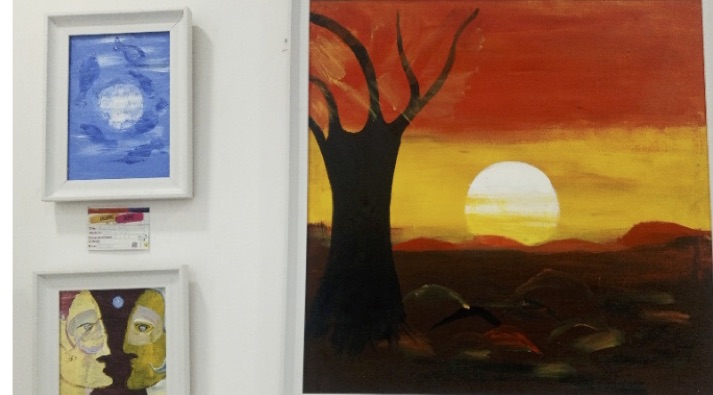
Children living with cancer have found an unusual way to express their emotions, hopes and experiences through art, as the Children Living with Cancer Foundation (CLWCF), in collaboration with the J. Randle Centre for Yoruba Culture and History and Phinnys Talent Foundation, stages an exhibition, “Colours of Hope,” in Lagos.
The exhibition, which opened on September 12 and will run until September 19, features about 50 artworks created by children undergoing cancer treatment, their caregivers and healthcare workers. The annual exhibition seeks to draw attention to childhood cancer while using art as a therapeutic tool to help affected children cope with the emotional and psychological burden of the disease.
Founder of CLWCF, Dr Nneka Nwobbi, said the foundation, established 23 years ago, began exploring ways to support children beyond medical treatment and eventually adopted art workshops as part of its therapeutic interventions.
According to her, artists visit hospital wards to work with the children, providing them with opportunities to paint, draw and express feelings that might otherwise be difficult to communicate.
Nwobbi said the partnership with Josephine Israel, founder of Phinnys Talent Foundation, began about a decade ago and transformed the initiative into an annual exhibition of artworks produced by the children themselves.
“Since Josephine came on board, we do art workshops and exhibit the works done by the children. It is more of therapeutic healing to help them forget the trauma that they are going through and express their creative side,” she said.
She noted that some of the artworks displayed at the current exhibition were created by children who have since died from cancer, giving the exhibition a particularly emotional dimension.
Nwobbi said the children often look forward to the workshops, describing the sessions as periods of excitement and relief from the routine of treatment.
She also said the foundation also celebrates the children’s birthdays and uses the workshops to create moments of joy for them and their families.
In recent years, the initiative has expanded to include caregivers, particularly mothers, who also experience considerable emotional stress while caring for children undergoing cancer treatment.
“When a child has cancer, it is not only the child that suffers but the whole family suffers as well,” Nwobbi said, stressing the need for wider public support for families affected by childhood cancer.
She added that proceeds from the exhibition would be used to support children undergoing chemotherapy and other forms of treatment, replenish art materials and provide remuneration for artists who train the children.
Nwobbi also appealed to paediatric hospitals to acquire some of the artworks for display in their wards, noting that colourful paintings could help brighten the environment and improve the mood of children receiving treatment.
She said the exhibition is also part of the foundation’s efforts to increase awareness about childhood cancer, particularly during September, which is observed as childhood cancer awareness month. Gold is recognised internationally as the colour associated with childhood cancer awareness.
For Israel, the curator and founder of Phinnys Talent Foundation, the exhibition had grown from a personal passion into a sustained commitment to children and the arts.
She said this year’s exhibition marked the 11th year of organising the initiative, adding that it had continued despite challenges with funding and space.
Israel recalled that she first became aware of children living with cancer in 2016, when someone told her about the children undergoing treatment in hospital wards.
“I was shocked. That was the first time that I heard it in my life,” she said.
Her first visit to the ward changed her perception of what art could mean to children facing serious illnesses.
She recalled that, although some of the children were physically weak, they were excited to participate in the art workshop and immediately asked when she would return.
According to her, the children often spend long periods in hospital without their friends and regular social interaction. The introduction of art gave them something to look forward to and provided an avenue for social interaction and self-expression.
“Most times, they are all alone, no friends receiving treatment. They are depressed, their spirit is down, but when we come to teach them during the workshop, they are excited because they are seeing colours that they can play with,” she said.
Israel said the experience inspired her to dedicate subsequent exhibitions to works created by children living with cancer.
She expressed the hope that sustained awareness and support would contribute to reducing deaths from childhood cancer in Nigeria, arguing that many cases could be prevented or successfully treated if children had timely access to appropriate care.
She appealed to individuals and corporate organisations to support initiatives that provide medical and emotional assistance to affected children and their families.
Representing the President of the Medical Women Association of Nigeria, Lagos Chapter, Dr Adejoke Adepoju described the exhibition as a touching initiative because many of the works were created by children while they were experiencing pain and undergoing treatment.
She said learning that some of the young artists had died made the exhibition particularly poignant, but added that their works also demonstrated their ability to create beauty and express hope despite their circumstances.
According to Adepoju, the sale of the artworks would provide support for children currently battling cancer, making the exhibition both an artistic and humanitarian initiative.
Among the works on display were The Bride, Pieces of Us, Meandering, A New Day, Meadows, Rhythms of the Earth, Hidden Blossom, The Space Between, Moon Under Water, Fading Light, Ember Glow, Pink Horizon, The Passage, Quiet Landscape, Hope Aura, Joy, The Dream, Twilight Meadow and Arcade Memories.
Some of the artworks were produced collectively, while only a few were created by individual children. The organisers said the title, “Colours of Hope”, reflects the belief that children are naturally colourful and creative, and that giving them an avenue to create can help restore a sense of hope during difficult periods.
As the exhibition continues at the J. Randle Centre for Yoruba Culture and History until September 19, the organisers hope the artworks would do more than attract admiration. They want each painting to serve as a reminder that behind every diagnosis is a child with dreams, emotions, creativity and a future worth fighting for.