Follow Us on Google
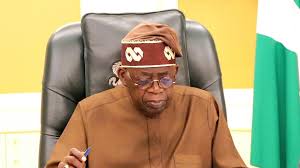
From Juliana Taiwo-Obalonye, Abuja
Civil Society Legislative Advocacy Centre (CISLAC) has delivered a stark appraisal of President Bola Tinubu’s first three years in office, acknowledging fiscally necessary reforms while warning that poor implementation, rising poverty, persistent insecurity and shrinking civic space risk undermining Nigeria’s recovery and democratic stability ahead of the 2027 elections.
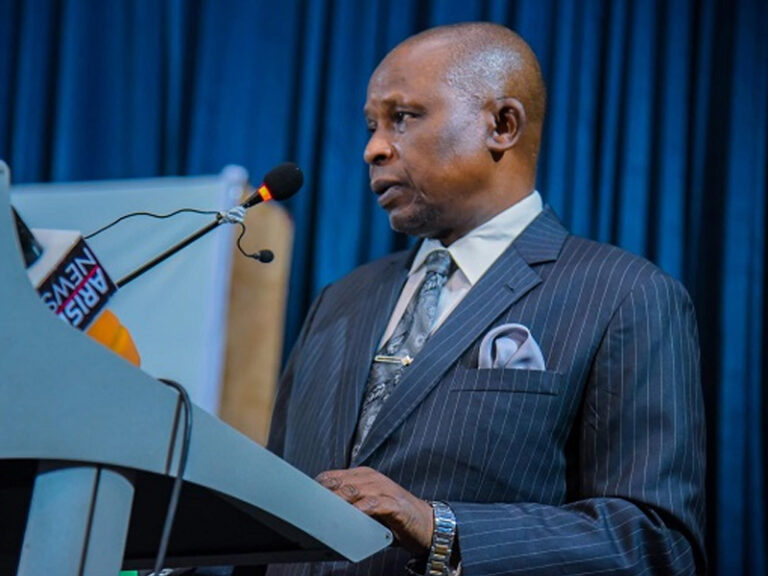
“President Tinubu’s administration has pursued bold economic reforms and recorded some macroeconomic and infrastructure gains,” Executive Director of CISLAC, Auwal Musa Rafsanjani, said in the organisation’s assessment. “However, the government has not sufficiently protected citizens from the painful consequences of those reforms.”
CISLAC said reforms such as the removal of the fuel subsidy and the unification of foreign exchange rates were long overdue and targeted real fiscal leakages and market distortions. “Several Nigerians and economic observers agree that the subsidy regime was unsustainable,” he noted.
Yet the civil society group argued those reforms were rolled out without adequate social protection, leaving ordinary Nigerians to shoulder the greatest burden while political elites appeared insulated. “The burden fell disproportionately on ordinary Nigerians,” Rafsanjani said. “Inflation, transport costs, food prices, and poverty worsened significantly over the past three years.”
The group pointed to a paradox between headline macroeconomic improvements and everyday hardship. “Despite improved macroeconomic indicators such as increased reserves and improved revenues, millions of Nigerians continue to experience severe hardship and declining purchasing power,” it said. “Economic reforms without human-centred cushioning measures risk deepening inequality and eroding public trust in governance.”
Other News
CISLAC’s assessment placed special emphasis on the widening gap between government claims of economic stabilisation and citizens’ lived realities. The organisation highlighted sustained food inflation, rising unemployment, weak wages and a rise in multidimensional poverty despite intervention programmes.
“Many Nigerians judge governance by their ability to afford food, transportation, healthcare, and education,” he stated. “On economic stabilisation, citizens are not persuaded by macro figures when they cannot feed their families or pay school fees.”
CISLAC described insecurity as one of the administration’s most serious failures, underscoring that increased defence spending and intensified military operations have yet to translate into improved safety for many communities.
“Insecurity remains widespread across the North-West (banditry and kidnapping), North-East (terrorism), North-Central (farmer-herder violence) and South-East (armed unrest and attacks),” CISLAC said. “Nigerians are worried and concerned that insecurity continues to affect farming, food supply, investment and public confidence.”
Rafsanjani stressed the point: “Without security, economic reforms cannot translate into meaningful development.”
From a civic accountability perspective, CISLAC raised alarms about shrinking civic space, weak transparency in public spending, political intimidation and an apparent uneven application of anti-corruption measures