Follow Us on Google

From Isaac Anumihe, Abuja
The United Nations Children’s Fund (UNICEF) has raised alarm over the ravaging effect of cholera across the country, saying that over 58,000 cases have been reported with 2,035 deaths in 24 states of Nigeria in two months.
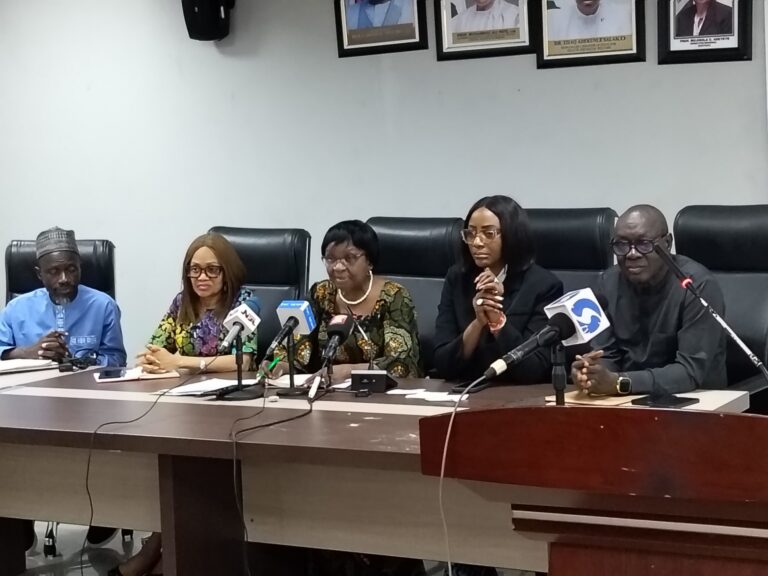
Speaking at a flag-off for the National Environmental Sanitation Response to Cholera in Nigeria, the WASH Manager of UNICEF, Mr Michael Forson, said that within the last two months there have been, on the average, about 6,500 reported cases per week and of the reported cases, 49 are women and 26 are children between five and 14 years and 15 per cent are under five years.
Even at the level of infection, he regretted that over 46 million Nigerians still defecate in the open.
‘It is very common to see people defecating along the expressway and by waterslides in Abuja. Also, most transport hubs and markets in Abuja, not to talk about the other states, have no toilets or places of convenience. In cases where there are, they are poorly managed and the hygiene situation is nothing to write home about.
‘Schools and health centres equally suffer from lack or inadequate toilet, safe water and hygiene facilities,’ he lamented.
To this end, UNICEF said that it is providing water chlorination for 1,799 patients, 2,735hhs and 20,765 school children with access to potable water.
Besides, it will train village hygiene volunteers and community WASHCOMs in the use of chlorine tablets. Disinfection of water, he assured, is going on in the affected states.
According to UNICEF representative, the agency had embarked on the construction of seven water supply facilities benefiting 5,500 people in Zamfara State while 41 facilities are under construction.
In his remarks, the Minister of Environment, Dr Mohammad Abubakar, expressed surprise for the ravaging effect of the disease even after all the measures have been observed.
‘Over the years, the Federal Ministry of Environment in collaboration with stakeholders cutting across government at all levels, organised private sector, Non-Governmental Organisations (NGOs), Community Based Organisations (CBOs), academia, development partners, has taken steps to deliver adequate sanitation and hygiene services to the citizenry.
‘These measures include development of policies, regulatory and legislative framework, implementation of relevant programmes and projects, the establishment of relevant regulatory and enforcement agencies, etc.
‘Despite all these efforts, the country continues to suffer from a cholera epidemic and other sanitation and hygiene-enabled diseases every year. This is largely due to our collective behaviour and attitude towards environmental sanitation and hygiene practices which are very poor.
‘This year’s outbreak is very serious and has continued to ravage many states with more fatalities being reported on a daily basis.
‘In responding to the recent cholera outbreak, the Federal Ministry of Environment immediately activated the Sanitation Desks in the 36 state Ministries of Environment and FCT urging them to carry out environmental sanitation activities in their various states aimed at containing the outbreak,’ he said.