Follow Us on Google
Nigeria continues to record one of the highest under-five mortality rates globally, with health experts stressing the need for improved access to primary healthcare, clean water, nutrition and other essential child survival services.
According to recent estimates by UNICEF and the World Bank, about 100 to 110 children die before reaching the age of five for every 1,000 live births in Nigeria, with many of the deaths linked to preventable causes such as pneumonia, diarrhoea, malaria, measles, complications from preterm birth and severe acute malnutrition.
The issue came into focus following the observance of the International Day of the African Child on June 16, which this year highlighted the theme, “Ensuring universal access to water, sanitation and hygiene for every child in Africa.”
The annual event draws attention to the rights and welfare of children across the continent and underscores the importance of safe water, sanitation and hygiene in improving child health outcomes.
Public health experts say reducing child mortality requires sustained investment in primary healthcare, routine immunisation, improved nutrition, clean water, sanitation facilities and community-based health services, particularly in underserved communities.
Other News
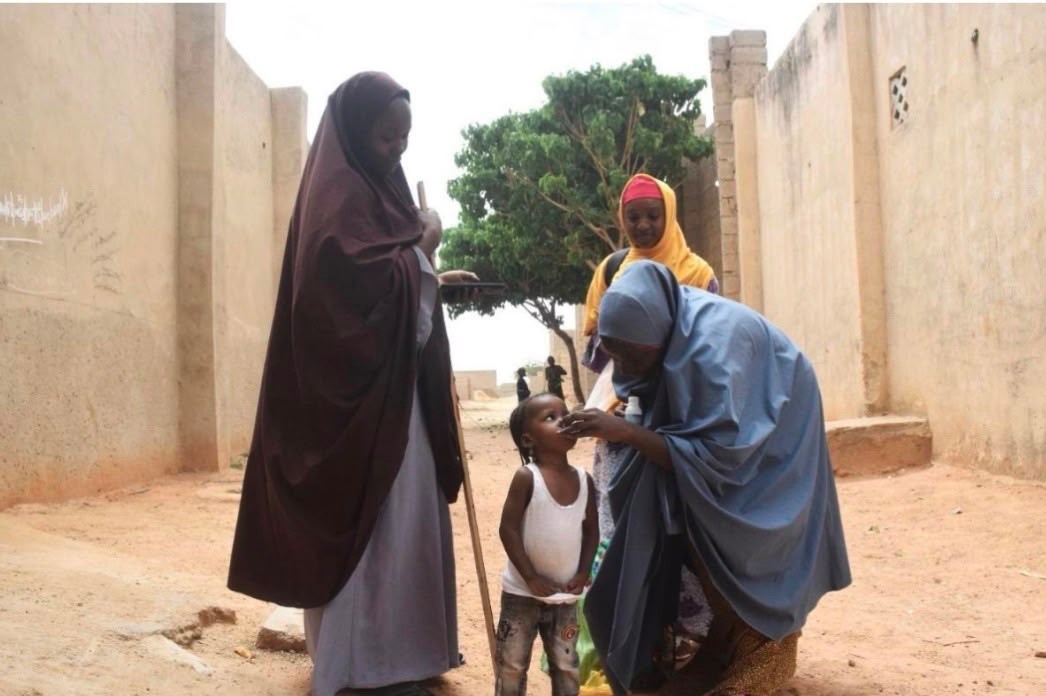
Against this backdrop, the Safety and Antimicrobial Resistance of Mass Administration of Azithromycin in Nigeria (SARMAAN) project says it is supporting child survival efforts by administering carefully dosed azithromycin to children in high-mortality communities through existing child health intervention programmes and community health workers.
The intervention is being implemented alongside safety monitoring and surveillance for antimicrobial resistance.
The project noted that the use of azithromycin is intended to complement, rather than replace, other child survival measures, including routine vaccination, nutrition programmes, access to clean water and functional primary healthcare facilities.
Health experts have continued to maintain that while targeted interventions can help reduce child deaths in vulnerable communities, long-term progress will depend on strengthening Nigeria’s healthcare system and expanding access to basic maternal and child health services nationwide.
SARMAAN Project LinkedIn Page