Follow Us on Google
From Juliana Taiwo-Obalonye, Abuja
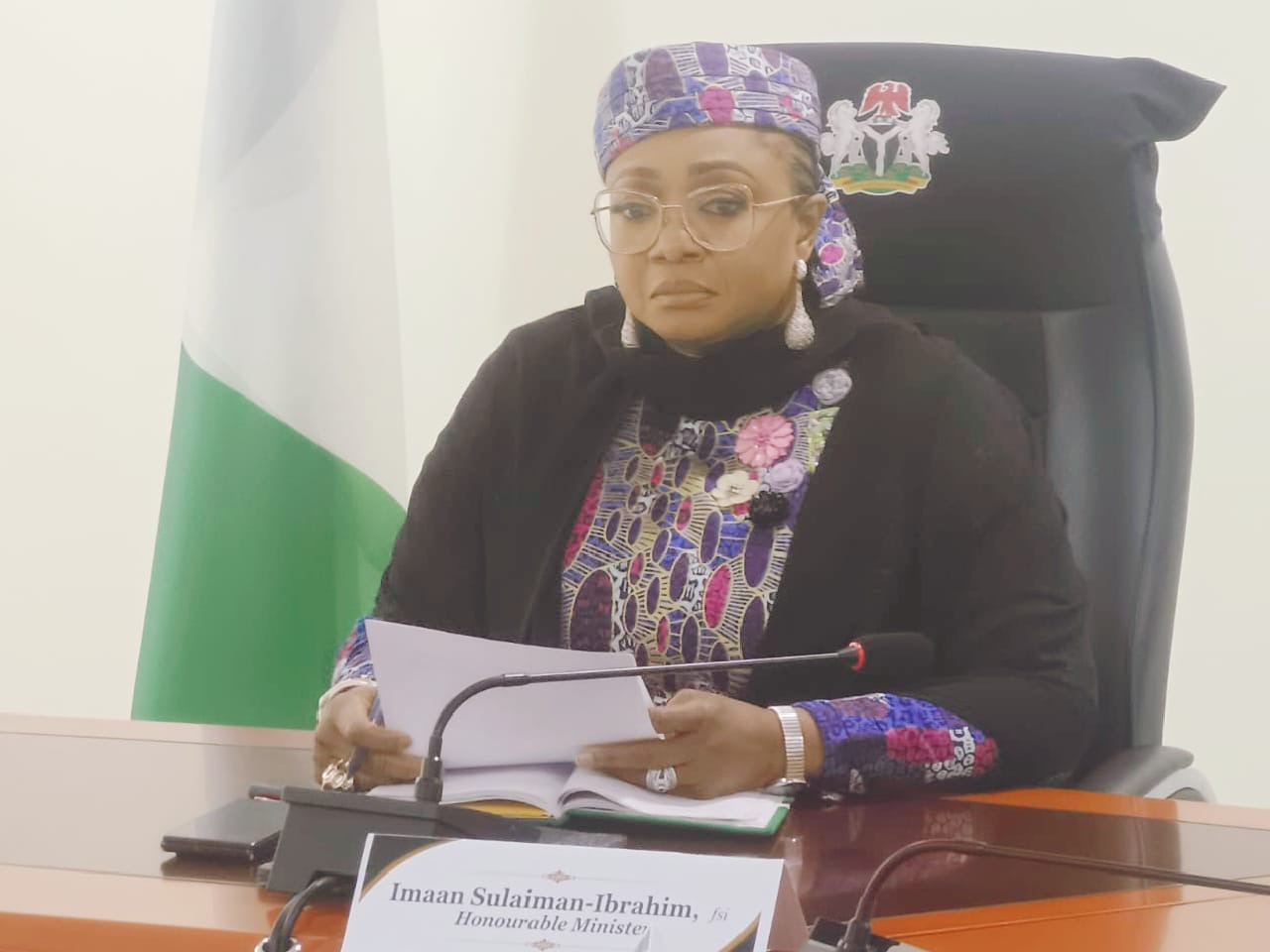
The Federal Ministry of Women Affairs and Social Development has warned Nigerians against downloading, reposting or circulating videos showing children being abused, saying such actions could further violate victims’ rights and deepen their trauma.
The warning followed reports of the alleged brutal abuse of a 12-year-old boy, Master Ugonna Uzoma, in Aba, Abia State, as well as another case in Onitsha, Anambra State, involving a mother allegedly abusing her daughters, with the incidents reportedly captured on video.
The Ministry, in a statement issued on Sunday and signed by its Head of Press and Public Relations, Ahmed Lawan Danbazau, said abuse did not become less serious because it was recorded or shared online.
It said the circulation of such material exposed already traumatised children to further humiliation, violated their privacy and dignity, and could amount to an additional violation of their rights.
“Reporting suspected abuse is an act of protection; making abusive material viral is not,” the Ministry warned.
According to the Ministry, the public should preserve relevant information securely without sharing the abusive content and immediately report suspected cases to law-enforcement, child-protection or social-welfare authorities.
It said competent authorities needed to be allowed to investigate the allegations, secure the victims, provide medical and psychosocial support, preserve evidence and pursue justice where wrongdoing was established.
On the Abia case, the Ministry said it was gravely concerned by reports that the 12-year-old boy suffered serious injuries allegedly inflicted by his father.
It commended the Nigeria Police Force and the Abia State Ministry of Women Affairs for their prompt intervention, including the arrest of the alleged perpetrator and placement of the child under protective care.
The Ministry similarly commended the Nigeria Police Force, Anambra State Command, Anambra State Ministry of Women Affairs, the International Federation of Women Lawyers (FIDA) and other stakeholders for their response to the Onitsha case, including the arrest of the alleged perpetrator and placement of the children in safe care.
It stressed that parental authority could not be used to violate a child’s dignity, bodily integrity or fundamental rights.
“The Child Rights Act (CRA) 2003 and the Violence Against Persons (Prohibition) Act, 2015 (VAPP Act), provide a clear legal framework for protecting children from abuse, exploitation, torture, inhuman and degrading treatment, and other forms of violence,” the Ministry said.
It added that the laws established children as rights-holders and made their protection a shared responsibility.
The Ministry also warned that violence against children must not be normalised simply because it occurred within the family or was disguised as discipline.
It said the same principle applied to abuse amplified through digital platforms, stressing the need for stronger safeguards for women and children in online spaces.
The statement said the Ministry would continue to work with state ministries, law-enforcement agencies, the judiciary, NAPTIP, FIDA, civil society organisations, development partners and other stakeholders to strengthen prevention, reporting, referral, survivor support and accountability.
It also called on parents, caregivers, schools, communities, religious and traditional institutions, media organisations and technology platforms to play their part in protecting children.
“Every credible report deserves an appropriate response, and every effort to raise awareness must prevent further harm rather than expose victims to additional humiliation,” the Ministry said.
It further pledged that coordinated action by government institutions, communities and citizens would be used to ensure proper prosecution and timely judgments in the cases, describing this as necessary to serve as a deterrent and build a society free from violence, exploitation and humiliation, both offline and online.
The Ministry urged Nigerians to report suspected child abuse, domestic violence, sexual violence and technology-facilitated gender-based violence through the Nigeria Police Force, state ministries responsible for Women Affairs and Social Development, NAPTIP, FIDA and other authorised child-protection and justice institutions.
It said reports should be made promptly while preserving the privacy and dignity of survivors.