Follow Us on Google
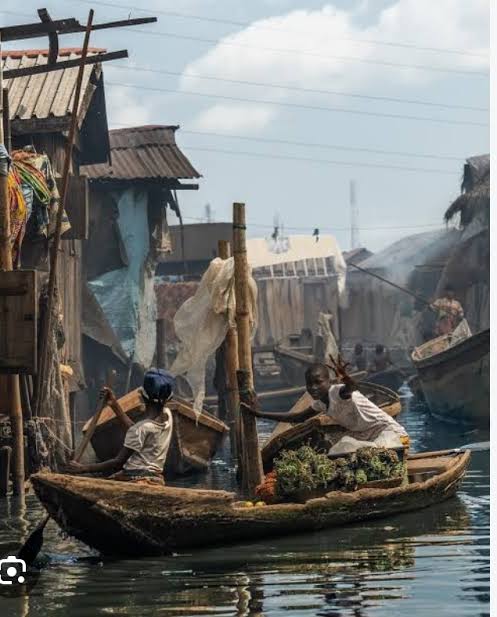
The housing crisis in the country has been exacerbated by the rising cost of house rents in recent times. Although the government has admitted a housing deficit of 15 million units from hitherto quoted figure of over 17 million units, many stakeholders believe that the nation’s housing deficit is over 20 million units. The housing crisis and rising cost of building materials can explain the exorbitant house rents in Lagos, Abuja, Port Harcourt, Enugu and other Nigerian cities.
With soaring house rents and rising inflation, many citizens are finding it difficult to grapple with increasing house rents. The matter is even made worse by the unwillingness of many state governments to build mass housing estates. The worst hit victims are the low-income earners whose annual wages cannot afford a decent accommodation in most Nigerian cities. Responding to the socio-economic realities of the times, many landlords have resorted to charging exorbitant rents in order to meet their own obligations.
This has reportedly been the trend in the last five years. But it is likely to get worse in the years ahead if nothing is done to check it. With population explosion and few houses being built by the government, the housing crisis is bound to escalate. In fact, the government has not factored the housing needs of Nigerians in planning. Urban housing renewal in some states has been skewed in favour of the rich with scant regard to the poor. Almost all the demolished houses in Lagos and Abuja belong to the low class.
While the cost of renting new houses is exorbitant, the cost of rent in old houses has increased by as much as 100 per cent to 300 per cent. In urban centres like Lagos, Abuja, Port-Harcourt and Enugu, a new two-bedroom apartment now costs between N2 million and N3.5 million, depending on the location and environment. A new three-bedroom apartment costs between N3 million and N6 million. In Abuja, the high cost of rent has forced many families to move to the outskirts of the city. Despite the increasing house rents, the tenants still bear the cost of maintenance. Most landlords hardly maintain their houses once rented.
Apart from the house owners, other categories of people involved in the high cost of rent circle are agents and caretakers. They charge exorbitant amounts for agency fees, agreement and caution fees, which escalate the cost of house rent. Unfortunately, there are no strict federal or state laws to regulate the activities of these exploiters. And where such laws exist, they are hardly enforced. Therefore, prospective tenants are left at the mercy of greedy landlords, agents and caretakers.
Other News
The unsavoury development has forced many families to share apartments in order to afford the cost of rent. The situation is made worse by the low earning power of millions of Nigerians. Although many Nigerians move about their daily activities with calm fortitude, the housing situation is bad. The situation is so bad that many business people now live in their shops or business premises because they cannot afford exorbitant rents. Some live in their offices, while many also sleep in churches and other worship centres.
Governments at all levels should intervene and provide low-cost housing for the people. The government should intentionally reduce the growing housing deficit. The government must ensure the right to adequate shelter of all Nigerians. The private sector alone is incapable of addressing the housing needs of millions of Nigerians. Homelessness looms for millions of people and the federal and state governments should not ignore the challenge.
There is urgent need for pragmatic rent edict in the already chaotic housing sector. In the absence of enforceable rent edict, landlords and their agents take laws into their hands and do whatever they like. We call for rent caps, which would peg the amount of rent to be charged within an area. Also there is a need for improved transportation links which can make it possible for workers to commute from the outskirts, where the rent is lower to the cities.
Since migration from rural areas to cities is one of factors fuelling rising cost of houses, government should endeavour to halt the trend by developing the rural areas. Apart from the government, private developers should be encouraged to build low-cost houses for low-income earners. Let the federal and state governments revive the ownership of houses through mortgage loans. We should emulate the US mortgage system, which enables the citizens to own homes and pay within a longer period of time. There are also other commendable housing blueprints the government can borrow from advanced countries. The housing crisis must be quickly addressed.