Follow Us on Google
The Code of Conduct Tribunal (CCT) says it is being weighed down by 1,037 cases that have remained unresolved for between five and 10 years, citing poor funding, an erratic flow of cases from the Code of Conduct Bureau (CCB) and a lack of operational facilities.
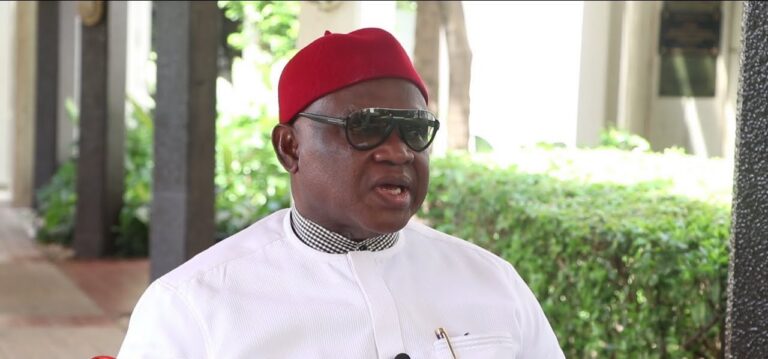
The CCT, one of Nigeria’s key anti-corruption agencies, disclosed this through its Acting Director of Litigation, Yahaya Laraski, while responding to questions from this newspaper on the tribunal’s operations over the last six months.
Laraski said the tribunal’s caseload is entirely dependent on the CCB, since it can only adjudicate matters referred to it. He said only six cases were filed by the CCB between December 2025 and May 2026.
On funding, he said: “There is gross inadequacy of funding because we hardly get the N2 billion budget funded by the government. We don’t have even housing and motor vehicle for our chairman, talk less of many directors that do not have official vehicles.”
He called on the government to provide furniture, ICT equipment and capacity-building support for staff.
Despite the constraints, Laraski said reforms introduced by the new CCT chairman, Mainasara Kogo, have cleared the tribunal’s backlog of CCB-referred cases. He said the tribunal has granted orders freezing accounts and temporarily forfeiting assets belonging to individuals and companies under a new fast-track approach, where cases are now heard within a week of filing.
Other News
“As of July 10, 2026, when the tribunal embarked on annual vacation, there is no unattended case pending from the bureau in the record of the tribunal,” he said.
He explained that the 1,037-case backlog was inherited by the current leadership from previous administrations, having gone unresolved for five to 10 years “for lack of adjudication.”
Laraski also disclosed that the CCT chairman is working with the National Assembly, the Attorney-General of the Federation and the Secretary to the Government of the Federation on an Executive Bill to transform the tribunal into a “National Anti-Corruption Court”, a full-fledged court with seven judicial divisions across the country to try all corruption-related cases.
“The new leadership has repositioned the status of the Chairman to that of the Chief Judge of the Federal High Court and that of members to judges of the Federal High Court,” he said.
He added that seven new departments have been created in addition to the existing three, all pending staff promotions have been effected and 13 new allowances introduced.