Follow Us on Google

The increase of the Monetary Policy Rate (MPR) to 13 per cent from 11.5 per cent, the first time in six years, by the Central Bank of Nigeria (CBN), will have far-reaching implications for the economy. The development was the outcome of the recent apex bank’s Monetary Policy Committee (MPC) meeting, in Abuja, where 11 members voted to increase the MPR by a massive 150 basis points to 13 per cent. The MPR is the rate at which the CBN lends to commercial banks. However, the Committee retained the Cash Reserve Rate (CRR) at 27.4 per cent and the Liquidity Rate (LR) at 30 per cent.
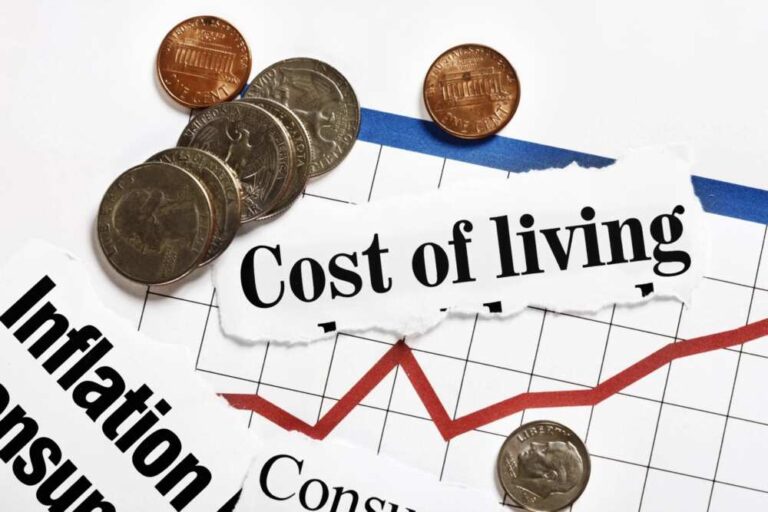
The CBN governor, Godwin Emefiele, explained that the increase in lending rate was taken to curb accelerating inflation and stimulate Foreign Portfolio Inflows (FPIs). According to the Consumer Price Index (CPI), inflation rose to 16.82 per cent in April, the highest in eight months amid rising cost of food items and diesel, driven by the global supply disruption due to the Russia/Ukraine war. Emefiele pointed out that the dilemma confronting the MPC members was how best to drive down domestic prices while continuing to support the fragile recovery of the economy.
In recent months, some global central banks like the United States Reserve Board, Bank of England and Bank of India, took similar contractionary monetary options to deal with inflationary pressures in their economies. African countries that applied similar measures to tame inflationary headwinds include South Africa, Egypt and Ghana.
Despite the good intentions of the CBN, the hike in MPR came on the heels of calls for the lending environment to be liberalised for manufacturers and others in the export sector to access funds. It is our view that the negative implication of the hike in MPC benchmark appears to outweigh its positive side. An increase in lending rate will lead to a higher cost of funds to individuals and businesses already struggling to survive the excruciating business environment.
Currently, the cost of borrowing by manufacturers and small and medium scale firms will increase as banks are already repricing their assets and loans. Nigeria’s commercial loans are reported to be among the costliest globally, with borrowers paying around 24 per cent in addition to other charges. For the economy, it means that the cost of credit to the bank customers will also increase. This will affect their operating costs, prices of their products and profit margins. It is only the banks and investors in fixed income instruments that are the likely to benefit from the increase in lending rate. The move has also affected the equity markets. A day after the hike was announced, Nigeria’s stock market lost N519 billion or 1.82 per cent. It was the largest daily dip for the month of May 2022. While the CBN decision may have been necessitated by many economic factors, including the need to mop up excess liquidity ahead of the huge campaign spending, it is doubtful if the measure will yield the desired results.
In fact, inflation rate is likely to go even higher as the 2023 elections draw closer. Perhaps, the greater worry is that the cost of capital will rise, thereby putting more pressure on businesses and their ability to expand. This is likely to increase the debt service cost of government, which is already spiralling out of control. Checking rising inflation needs much more policy attention than what the CBN has done. In Ghana, for instance, where benchmark lending rate has been raised to 19 per cent, it has not slowed down inflation.
A more forward-looking approach is urgently required to stimulate economic recovery and sustainable growth. Given the global economic environment, pressure on the exchange rate, will likely cause problems for the economy. The latest report by the National Bureau of Statistics (NBS), which showed that the economy expanded by 3.1 per cent in real terms, compared to 3.98 per cent in the fourth quarter (Q4 2021), means that there is need for more radical monetary and fiscal push to improve the economy.
The exchange rate needs to be strengthened at the official window and parallel markets. The fact is that increasing the MPR will most unlikely lead to increased foreign direct inflows due to foreign exchange (fx) challenges. Rather, it will lead to higher cost of production and higher inflation. In fact, Nigeria is not only dealing with rising inflation, it is also buffeted by rising unemployment, weak revenue generation, poor investment inflow, high national debt, and heightened insecurity. For instance, the debt servicing to revenue ratio of the government is already too high.
Apart from the latest monetary intervention, diversification, especially in the non-oil sector remains one of the imaginative options to stabilise the fragile economy.