Follow Us on Google
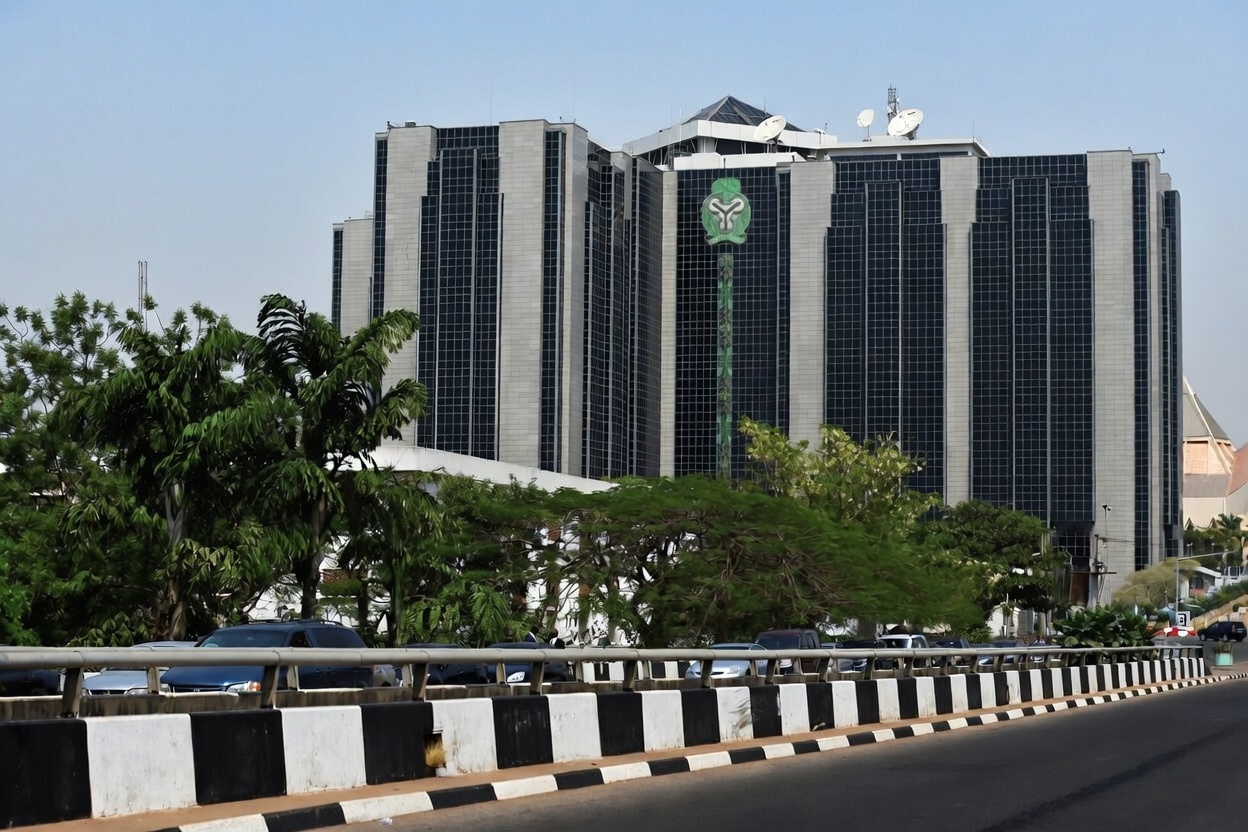
The rising cost of living continued to put pressure on Nigerians in June, forcing households and businesses to spend more on everyday needs, according to the latest Inflation Expectations Survey released by the Central Bank of Nigeria (CBN).
The survey showed that although many Nigerians still believe prices are too high, there is growing hope that inflation will begin to slow in the coming months.
The CBN surveyed 3,450 respondents, made up of 1,867 businesses and 1,583 households, to gauge how Nigerians perceive inflation and what they expect in the months ahead. The survey also adopted a new five-point rating system introduced in April 2026 to capture more detailed responses.
Nigeria’s inflation rate has remained stubbornly high despite efforts to stabilise the economy. Data from the National Bureau of Statistics showed that headline inflation rose to 15.93 per cent in May 2026 from 15.69 per cent in April. It was the third straight monthly increase and the highest level recorded since November 2025.
According to the CBN survey, 67.5 per cent of households said they spent more in June because of rising prices, while 66.8 per cent of businesses also reported higher operating costs, showing that inflation is affecting both families and companies across the country.
The report noted that soaring food prices, expensive electricity and fuel, as well as high borrowing costs, continue to reduce household purchasing power and increase the cost of doing business.
Concern over inflation remained widespread during the month. The Inflation Perception Index stood at 45.0 points, indicating that many Nigerians still believe prices are rising at an uncomfortable pace.
Among households, 76 per cent of respondents described inflation as high in June, compared with 72.8 per cent in May. Businesses also continued to feel the pressure, although sentiment improved slightly, with 67.3 per cent saying inflation was high, down from 68.4 per cent a month earlier.
The survey showed that the hardest-hit businesses were micro enterprises, where 72.2 per cent reported severe inflationary pressure. Large companies were not spared either, with 69.4 per cent saying rising prices significantly affected their operations. Medium-sized and small businesses recorded 64.5 per cent and 64.3 per cent respectively.
Other News
The report also revealed a noticeable gap between rural and urban communities. About 76.4 per cent of rural households said they experienced high inflation, compared with 63.2 per cent of urban households, suggesting that rising prices are hitting rural communities harder, possibly because of weaker supply chains, lower incomes and limited access to goods.
Respondents identified energy costs, insecurity, high interest rates and exchange rate movements as the major reasons prices continue to rise. On the other hand, they considered the cost of raw materials and middlemen to be less important factors during the period under review.
Despite the current challenges, the survey points to improving confidence that inflation may begin to ease. The Inflation Expectation Index is expected to decline to 32.2 points in July, suggesting that many respondents believe price increases will gradually slow.
Businesses appeared more optimistic than households. About 24.7 per cent of businesses expect inflation to moderate over the next six months, compared with 12.2 per cent that believe prices will ease in the short term.
Among households, 14.5 per cent expect inflation to fall within the next six months.
The CBN said this gap between short-term and medium-term expectations suggests that while inflation remains a major concern today, confidence is gradually improving as economic policies begin to take effect and macroeconomic conditions show signs of stabilising.
The survey also found that both households and businesses expect spending pressures to reduce over the next six months if inflation slows as expected. However, the CBN noted that this outlook will largely depend on the stability of the exchange rate, lower energy costs and improvements in the country’s security situation.
For now, however, Nigerians and businesses continue to grapple with rising prices, adjusting their spending and operations as inflation remains a major challenge for the economy.