Follow Us on Google

Chevron seeks legal guarantees
________________________________________________________________________
From Adanna Nnamani, Abuja
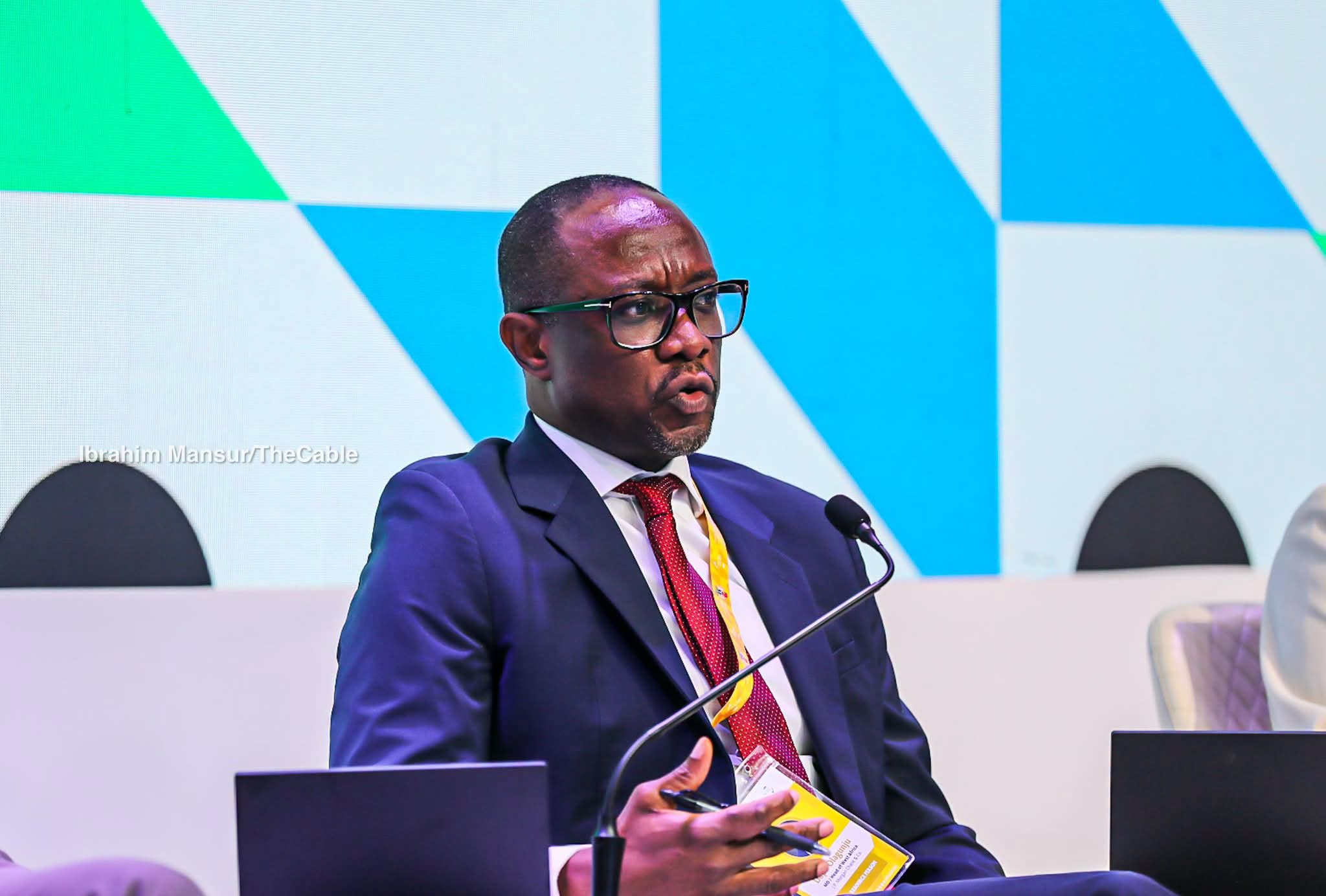
The Central Bank of Nigeria’s (CBN) regulatory framework and economic reforms introduced in the past three to four years have influenced JPMorgan’s decision to deepen its presence in Nigeria, the bank’s Managing Director for West Africa, Dapo Olagunju, has said.
Olagunju stated this during a panel discussion on attracting investment to Nigeria at the 32nd Nigerian Economic Summit in Abuja on Tuesday.
He said the reforms had helped shape the country’s investment environment, signalling renewed interest by international financial institutions in Nigeria’s economy.
According to him, JPMorgan’s decision to establish a merchant banking business in the country reflects the impact of the reforms, which he said was comparable to a previous major shift in Nigeria’s political and economic environment.
” JPMorgan coming in at this time also signifies that the impact of the reform that has been put in place in the last three or four years is almost at the same level” as the previous shift, he said.
The bank’s move follows the CBN’s approval-in-principle granted on 23 October for the establishment of JPMorgan Merchant Bank Nigeria Limited.
The proposed institution is expected to secure a final banking licence from the apex bank before commencing operations.
Olagunju said the bank was backing its confidence in Nigeria with concrete investment, insisting that its decision to expand its operations demonstrated its commitment to the country.
Other News
“We are putting our money where our mouth is,” he said.
He also commended the CBN’s regulatory standards, describing the institution as “very well professionally run”.
Meanwhile, the Chairman and Managing Director of Chevron Nigeria and Mid-Africa, Jim Swartz, said the company had observed improvements in Nigeria’s investment climate following the passage of the Petroleum Industry Act (PIA) and presidential directives aimed at encouraging investment.
Swartz said Chevron was pursuing drilling programmes in its shallow-water assets and participating in major oil projects, while preparing to drill additional wells in its Agbami deepwater field.
However, he stressed the need for the Federal Government to translate investment-friendly policies into durable laws to provide certainty for companies committing funds to long-term projects.
“Our investments are not only for the near term… but multi-decade investments, and so knowing that you will have long-term support in the laws is very important,” he said.
He also identified security in oil-producing communities and competitive operating costs as critical to sustaining investment in the sector.
According to him, improvements in the Niger Delta had helped address security challenges and reduce losses associated with oil theft, which had remained a major obstacle to oil and gas operations.
Swartz further emphasised the importance of maintaining the competitiveness of Nigerian contractors, disclosing that Chevron had spent an average of about $1 billion annually with local contractors over the past five years.