Follow Us on Google

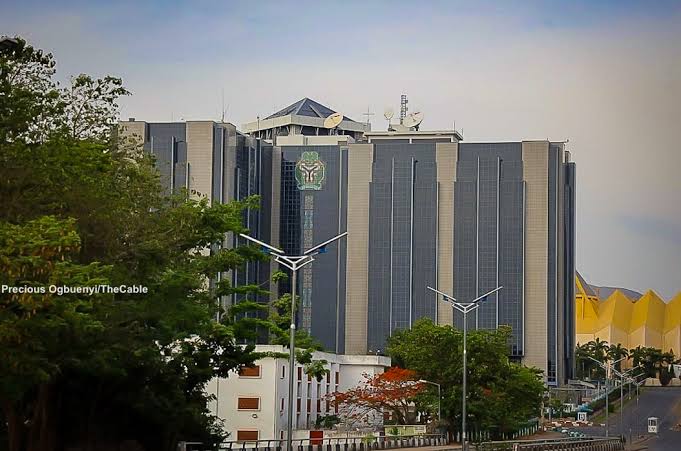
The Central Bank of Nigeria (CBN) released about N3.2 trillion into the banking system in October as repayments on maturing government securities exceeded the amount raised through fresh auctions.
Figures from the CBN’s Open Market Operations (OMO) and Nigerian Treasury Bills (NTBs) auctions showed that the apex bank and the Federal Government repaid a combined N10.69 trillion to investors during the month, compared with N7.49 trillion raised through new securities.
The difference meant that more money flowed back to investors than was collected through fresh borrowing, resulting in a net liquidity injection of approximately N3.2 trillion into the financial system.
An analysis of the auction and maturity figures showed that new securities issued during the period replaced only about 70 per cent of the funds returned to investors between October 2 and 29.
The development marked a major shift from September, when the CBN withdrew a net N6.62 trillion from the financial system through OMO operations.
During October, the CBN conducted three OMO auctions and three Treasury Bills auctions, with combined sales of N7.49 trillion.
Although investors submitted bids worth N13.23 trillion, the authorities accepted only about 57 per cent of the offers, indicating a more selective approach to raising funds.
A breakdown showed that OMO auctions raised N6.18 trillion against N6.71 trillion in maturing obligations, leaving a repayment surplus of about N527 billion.
Similarly, Treasury Bills auctions raised N1.31 trillion against repayments of N3.985 trillion, resulting in a difference of approximately N2.68 trillion.
The lower amount raised through fresh auctions, compared with maturing obligations, contributed to the overall N3.20 trillion liquidity injection.
The development also coincided with a rise in the amount banks deposited with the CBN through its Standing Deposit Facility (SDF), a window that allows lenders to keep excess funds with the apex bank and earn interest.
Banks’ deposits through the facility exceeded N6 trillion following a major OMO repayment on October 13.
Data showed that SDF balances reached N8.41 trillion on October 28 before declining to N7.63 trillion on October 29 and N7.19 trillion on October 30.
Meanwhile, interest rates on some short-term government securities declined during the period, suggesting that investors were demanding lower returns on newly issued instruments.
The 138-day OMO instrument’s stop rate fell to 17.63 per cent on October 22 from 20.01 per cent for a comparable instrument in August.
The 364-day Treasury Bills stop rate also dropped to 15.80 per cent on October 28.
The decline followed the Monetary Policy Committee’s September decision to reduce the Monetary Policy Rate from 26.5 per cent to 23 per cent.
Speaking on the development, Chief Executive Officer of Globalview Capital Limited, Aruna Kebira, described the higher repayments as a positive development, arguing that the CBN was reducing its outstanding obligations.
He suggested that the repayment pattern might also be partly connected to efforts to support liquidity following the substantial funds committed to the Dangote Refinery public offer.
However, he cautioned that the regulator’s actual intentions could not be established from the figures alone.
Also commenting, the Head of Financial Institutions Ratings at Agusto & Co., Olubunmi Ayokunle, said OMO operations were more important in assessing the CBN’s monetary policy direction.
He explained that a significant proportion of investors holding OMO securities were foreign investors, meaning that repayments on such instruments did not necessarily translate into an equivalent increase in money available within the domestic economy.
Ayokunle also distinguished between Treasury Bills, which are issued on behalf of the Federal Government, and OMO instruments, which the CBN uses to manage liquidity in the financial system.
However, analysts noted that the N3.20 trillion figure represented the difference between maturing securities and fresh auction allotments, rather than the total amount of new money created in the economy.
Other factors, including government spending, foreign exchange transactions and repayments to foreign investors, could influence how much liquidity actually remained within the domestic banking system.
For banks, the increased liquidity could provide more funds for financial transactions and potentially support lending, although the amount eventually made available to businesses and households would depend on lenders’ decisions and prevailing economic conditions.
For investors, however, declining yields could mean lower returns on newly purchased government securities.