Follow Us on Google

By Philip Nwosu
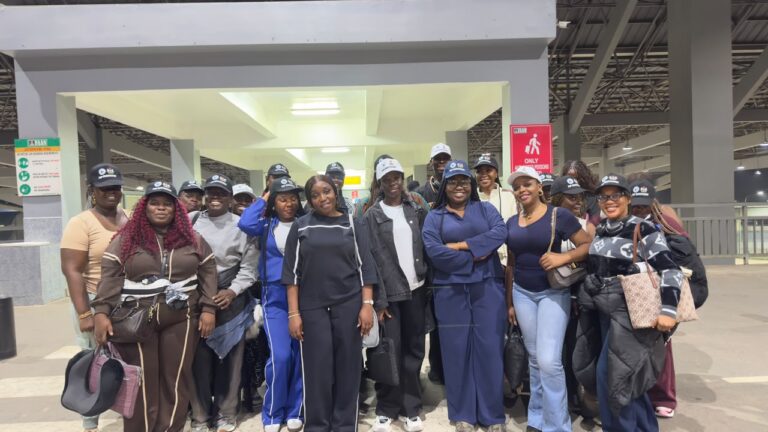
Catholic Media Practitioners in Nigeria (CAMPAN) has been urged to uphold truth, professionalism and faith identity in the discharge of their duties, amid growing concerns over misinformation and propaganda in the media space.
Speaking during an interview with members of the Association, the Auxiliary Bishop of the Archdiocese of Owerri, Most Reverend Moses Chikwe emphasised that Catholic journalists must always reflect their identity in their work, regardless of the platform they operate on.
He noted that whether in print or electronic media, practitioners are expected to maintain that Catholic identity of speaking the truth through their reporting, writing and overall professional conduct.
The cleric further described media practitioners as digital missionaries, echoing the call of Pope Francis for communicators to use modern platforms to spread the message of the Gospel.
According to him, the role of the media goes beyond mere information dissemination, stressing that communication remains a powerful tool for building relationships and connecting humanity.
“Our work is divine and sacred because it involves passing the Word of God and the truth of Christ through what we do,” he said, adding that effective communication enables people to connect both with humanity and divinity.
He, however, raised concerns about the increasing spread of falsehood and manipulated content in today’s digital age, noting that the media must rise to the responsibility of setting the record straight.
“In a world filled with simulations and lies, the media must deal with facts and ensure that the truth is made available for the public to see,” he stated.
The cleric also highlighted the critical role of the media in Nigeria, urging journalists not to succumb to the government’s propaganda but to remain committed to factual, balanced and investigative reporting.
He stressed the importance of investigative journalism in uncovering the truth, noting that Nigerians are eager for accurate information about developments in the country.
“People are hungry to know the truth about what is happening and it is your responsibility to provide that truth,” he said.
On the performance of Catholic media in Nigeria, the cleric rated practitioners highly, commending them for their strong sense of conscience and dedication to public service.
“I would rate you great in terms of what you serve the public because you work with a Catholic conscience and use that to serve humanity,” he added.
He concluded by encouraging Catholic journalists to remain steadfast in their mission of truth-telling
Also, the Commissioner for Information, Public Orientation and Strategy in Imo State, Declan Emelumba, called on media professionals to uphold ethical standards in reporting violence, warning against the growing trend of sensationalism driven by the pressure of digital media.
Emelumba made the call while addressing members of the Catholic Media Practitioners of Nigeria, where he stressed the need for journalists to balance speed with accuracy and human dignity in the discharge of their duties.
He noted that the media landscape has significantly changed over the years, with technology enabling instant dissemination of information, often without verification or consideration for the consequences.
According to him, unlike in the past when news reports passed through several editorial layers before publication, today’s digital environment allows unfiltered content to circulate widely within seconds, posing a major challenge to professional journalism.
“The gap between being first and being right has never been wider,” he said, adding that when it comes to reporting violence, the cost of misinformation or careless reporting can be devastating to victims and their families.
The commissioner expressed concern over the increasing use of graphic images and videos in news reports, describing it as a violation of human dignity.
He cited instances where media organisations published disturbing visuals of victims before their families were notified, stressing that such practices undermine the ethical foundation of journalism.
He urged journalists to adopt practical principles in reporting violent incidents, including the need to assess the necessity of publishing graphic content.
“People can understand the gravity of an event without being exposed to disturbing images,” he said, emphasising that the role of journalists is to inform, not to exploit tragedy.
He also highlighted the importance of empathy, urging media practitioners to consider the emotional impact of their reports on victims’ families.
“Put yourself in their position. If it were your loved one, would you want such images made public?” he asked.
On the role of context, he stressed that violence should not be reported in isolation, noting that responsible journalism requires providing background, causes and implications of incidents rather than focusing solely on dramatic visuals.
He further warned that poorly reported violence could inflame tensions, particularly in a country like Nigeria, where ethnic and religious sensitivities are prevalent.
“Ask yourself: will this report inform or inflame? Will it promote healing or deepen divisions?” he queried.
While acknowledging the benefits of technology in expanding the reach of journalism, the commissioner cautioned against allowing digital tools and algorithms to dictate editorial decisions.
“Technology is a tool, not a master. The choices remain yours,” he said, urging journalists to maintain editorial independence while leveraging modern platforms.
Addressing Catholic media practitioners specifically, Emelumba said their faith places an added responsibility on them to uphold truth and compassion in their work.
He referenced the teachings of Pope Francis on the “culture of encounter,” noting that journalists must see individuals in news stories as human beings rather than statistics.
He stressed that truth and compassion must go hand in hand, warning that “truth without compassion is brutality, while compassion without truth is sentimentality.”
He also challenged media organisations to maintain professional standards by ensuring that practitioners are properly trained in journalism ethics.
He decried the rise of untrained individuals in the media space, accusing them of spreading misinformation and undermining the credibility of the profession.
“Facts are sacred and no organisation should compromise that principle,” he said.
The commissioner urged members of CAMPAN to take a leadership role in restoring integrity in the media industry by setting standards others can follow.
He acknowledged the economic pressures faced by media organisations but advised practitioners to prioritise long-term credibility over short-term gains.
“Trust is the only currency in journalism that appreciates over time,” he added.
He concluded by reminding journalists of their responsibility to preserve human dignity in their reporting, noting that beyond being professionals, they are also ambassadors of truth and peace.
He encouraged them to use their platforms to promote unity, responsible communication and national cohesion, while remaining guided by ethical values and their moral obligations.