Follow Us on Google
By Uche Usim
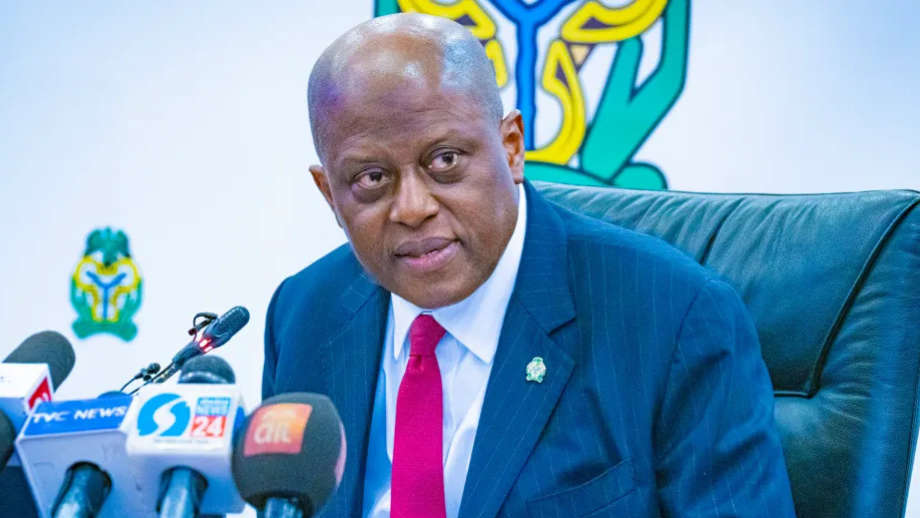
Governor, Central Bank of Nigeria, Olayemi Cardoso, has called for deeper collaboration among African financial regulators to confront mounting cross-border risks.
He warned that growing integration across the continent’s financial systems now demands a unified supervisory approach.
Speaking at the 4th Annual International Monetary Fund/ AFRITAC West 2 High-Level Executive Forum for Financial Sector Regulation and Supervision held in Abuja yesterday, Cardoso stressed that regulatory cooperation is no longer optional but critical to maintaining stability and unlocking shared prosperity.
“As African banks and financial systems become increasingly interconnected, collaboration among regulators is not optional but essential to safeguard stability and ensure shared prosperity across the continent,” he said.
Cardoso warned that financial integration across Africa is advancing faster than political and regulatory coordination, creating vulnerabilities that no single country can manage alone. He urged regulators to adopt shared prudential frameworks tailored to the continent’s unique realities, arguing that a coordinated approach would enable quicker and more effective responses to emerging risks while supporting inclusive economic growth.
Building on this continental outlook, Cardoso pointed to Nigeria’s recent reforms as a model of proactive regulatory leadership. He recalled that in 2024, the apex bank launched a sweeping Banking Sector Recapitalisation Programme aimed at strengthening the resilience of lenders ahead of anticipated economic shocks.
Despite a challenging domestic environment shaped by subsidy removals and foreign exchange reforms, Nigerian banks attracted N4.61 trillion in fresh capital, with nearly 27 per cent sourced from foreign investors. The recapitalisation drive, he noted, has not only bolstered balance sheets but also enabled local banks to expand operations across African markets.
On governance, Cardoso struck a firm tone, reaffirming the CBN’s zero-tolerance stance on infractions and signalling a decisive shift from past regulatory leniency.
“Our stance on corporate governance is unequivocal: zero tolerance for violations. By ending years of regulatory forbearance, we have reinforced accountability, tightened supervision, and elevated compliance standards across the sector,” he declared.
Other News
He added that the apex bank has moved to restrict access to banking services for chronic defaulters, particularly large obligors with non-performing loans, as part of efforts to instil credit discipline.
“In line with this, we have implemented a restriction of banking services to non-performing large-ticket obligors. This decisive step underscores our commitment to credit discipline, financial integrity, and accountability. By curbing access to banking services for chronic defaulters, we are reinforcing the culture of repayment, protecting depositors, and safeguarding the stability of the financial system,” Cardoso said.
On monetary policy, the governor reiterated that the CBN remains committed to orthodox policy measures aimed at restoring price stability and rebuilding investor confidence. He emphasised consistency, discipline, and credibility as key pillars guiding current policy direction.
Cardoso also highlighted the growing influence of financial technology, noting that regulators must strike a careful balance between innovation and systemic stability. He said the CBN’s Fintech Policy Report, alongside ongoing structural reforms, is designed to strengthen supervisory capacity in an increasingly digital financial landscape.
Looking ahead, he urged participants at the forum to deepen engagement and sustain knowledge-sharing, describing the platform as vital for shaping a coordinated African response to global financial shifts.
“The forum should continue to serve as a platform for collective learning and action, where regulators can analyse shared challenges, exchange insights, and develop a cohesive African response to global financial trends,” he said, adding that stronger collaboration could become the continent’s “greatest asset” in building resilient financial systems.
In his opening remarks, Director of AFRITAC West 2, Ivohasina Fizara Razafimahefa, said the gathering fosters open dialogue between IMF experts and national regulators, enabling the exchange of practical experience, technical insights, and policy innovation.
According to him, this year’s forum focused on rapidly evolving threats to financial stability, including risks linked to digital finance, fintech expansion, artificial intelligence, and climate change. He stressed that addressing these challenges will require stronger regional coordination, proactive regulation, and sustained engagement among stakeholders.
The forum, which drew senior officials including central bank deputy governors from six member countries, reiterated a shared commitment to cooperation and joint action in navigating Africa’s evolving financial risk landscape.