Follow Us on Google

•As FG urges better labour relations, constructive engagement
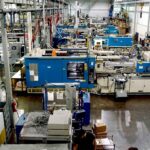
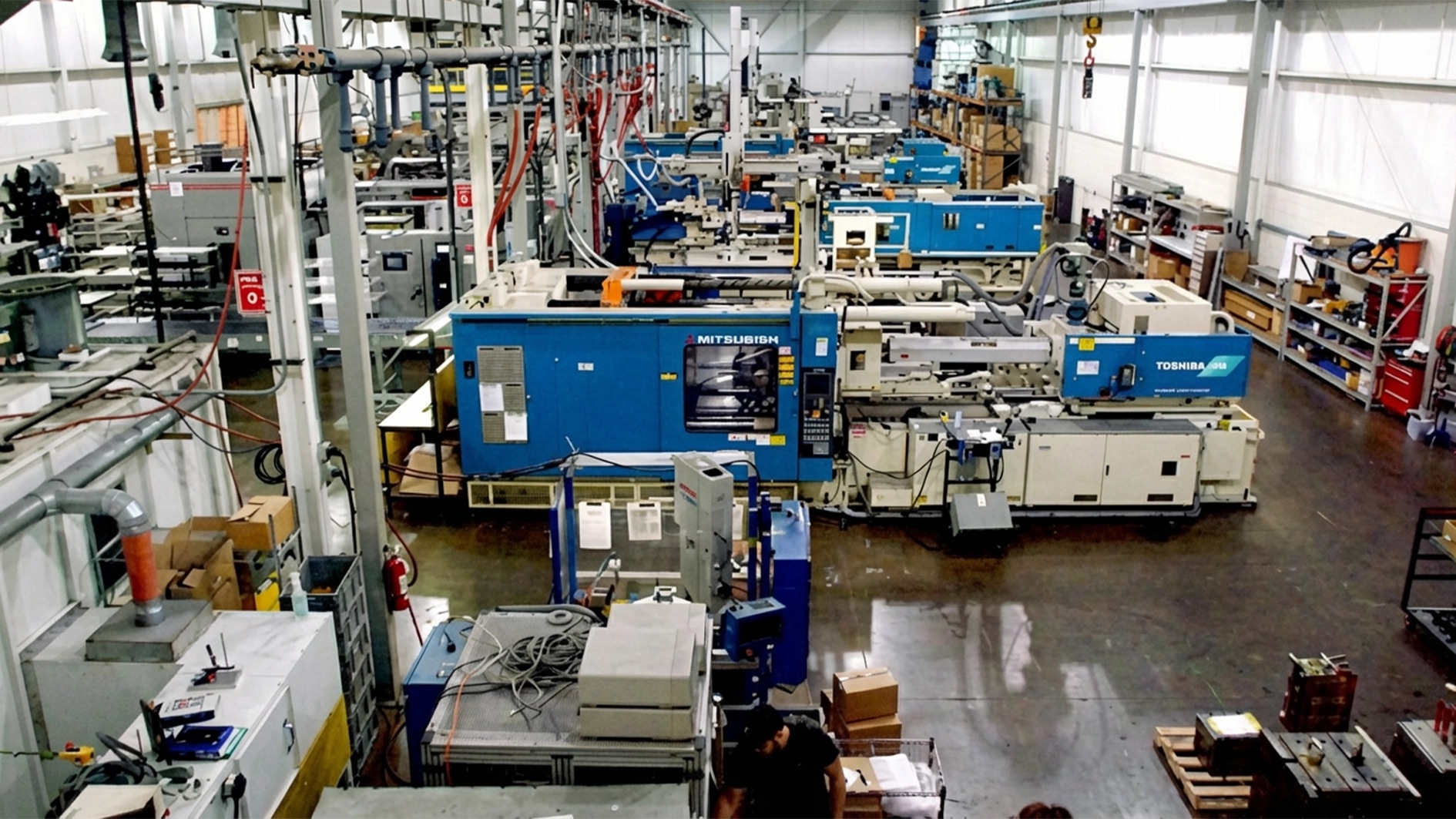
The National President of Chemical and Non-Metallic Products Senior Staff Association of Nigeria (CANMPSSAN), Dr. Segun Samson David, has raised the alarm that the manufacturing sector of the country is currently facing very tough times due majorly to economic instability occasioned by factors like multiple taxation, fluctuations in exchange rate, rising energy costs, inconsistent economic policies, poor access to financing among others.
He said these factors were hampering the growth of the manufacturing industry in Nigeria and as such government at all levels must address them to save the sector from imminent collapse.
This came as the Minister of Labour, urged employers and Nigerian workers to work towards constructive engagement with government on issues affecting industrial relations.
The remarks were made during the 31st annual National management/industrial relations seminar held in Akure, Ondo State, at the weekend.
While delivering his keynote address, David said: “The manufacturing sector is faced with severe cost pressure from exchange rate volatility, high interest rate, exorbitant electricity tariffs and high cost of fuel and gas, occasion more recently by the Middle East crisis. More also is the cost of machine maintenance, invention of new high auto tech machine, double taxation, policy inconsistence, man power substance, and the likes.
“The manufacturers, particularly the small and the medium size enterprises operate at significantly below capacity rather than expanding production lines or inventing new modern technology. If care is not taken, it could lead to the erosion of industrial capacity and technological obsolete leaving the sector to become uncompetitive in the global market.”
David further stated the significance of the chemical sector: “The manufacturing sector has been viewed as the fastest channel for a country to achieve speedy development and reduce its rate of poverty. The industry is regarded as the engine of growth and catalyst for the long-term transformation due to its enormous potential as a tool for creating wealth, job and its high contribution to the Gross Domestic Product (GDP). Despite its door of opportunities, a lot of factors have bedevilled its operation.
“In Nigeria, the sector account for approximately 6.6% of the total GDP, while the manufacturing activities employ approximately 12% of the labour force in the nation’s formal economy. The development of the sector has not been fully addressed and the impact has not been fully felt too. The sector is experiencing a stunted growth and its contribution to the GDP has remained low.”
The CANMPSSAN president noted that the economic instability significantly hinders the operational efficiency, capacity utilization and overall output of Nigeria Chemical and Non-Metallic Products sector.
“As a critical pillar of Nigeria industrializations strategy, this sector which includes the production of Cement, Glass, Ceramics, Industrial Chemicals, Pharmaceuticals, Plastics, Rubbers, Cosmetics and Fertilizer is highly sensitive to macroeconomic shocks”.
Other News
Urging governments at all level to rise up to the occasion, he said: “Nigeria workers need more than a defence of reforms, we need job security that can pay bills and not casual labours we are subjected to as a result of failed reforms to rebuild our sector.
“Workers do not live on reforms, exchange rate or politics, we live on wages. It is the purchasing power of those wages that determines whether a family can eat, pay rent, send children to school, commute to work place, and afford a good health care. I suggest that government at both Federal and state level should create a short-time measures, clear-time line, and rapid intervention to address the factors militating against the sector so as to avoid total collapse.
“CANMPSSAN is stating that, continuous dependence on services and extractive activities would not provide the productivity, export, diversification and employment opportunities required to sustain Nigeria economic expansion. Our sector is the engine that drive mass employment and inclusive prosperity, therefore there is a need to strengthen labour intensive performance, domestic manufacturing and value addition. “
Corroborating the President’s assertions, the Labour minister, represented by the Ondo State Controller of Labour, Mrs. Mogborulo E.O, urged employers and unions to engage the government constructively so that industrial relations could be peaceful, progressive and ultimately impact positively on workers.
“There is no doubt that economic instability remains one of the significant challenges confronting the manufacturing sector in Nigeria. Fluctuations in foreign exchange rates, rising energy costs, inflation, high transportation costs, increasing prices of raw materials, and difficulties in accessing affordable financing have continued to place considerable pressure on manufacturing businesses,” he said.
“The chemical and non-metallic products sector, being an important contributor to industrial development, infrastructure, construction, agriculture, healthcare and other critical sectors of the economy, is particularly exposed to these challenges.”
He stated further that the performance of the sector has far-reaching implications for employment generation, wealth creation, technological advancement, national productivity and economic diversification.
He added, “At a time when businesses are confronted with economic uncertainties, effective industrial relations become even more important. Management and labour must recognize that they are partners in progress, with complementary responsibilities towards the survival, stability and growth of their organizations.
“Employers must appreciate the importance of workers as critical stakeholders in production, while workers and their unions must also recognize the economic realities facing their employers. There is therefore a need for continuous dialogue, mutual understanding, collective bargaining, consultation and negotiation in resolving workplace issues.”
The event however attracted major players in the manufacturing industry in Nigeria who included Executive Secretary of CANMPEF, Mr. Femi Oke, Employee Relations officer, Frigolano PLC, Mr. Hammed Adenuga, Organization and Human Resources Director, HMB PLC, Human Resources Manager, Emenite Ltd, Group Head, Human Resources Director, BUA Cement Nigeria Plc, Mr. Dotun Adako, Chairman, Trade Union Congress (TUC) Ondo State, Fatuase Clement, and top state government functionaries who included, Dr. Bayo Olatunji. Special Adviser on Mobilization to the Governor of Ondo State, who represented the Govenor of Ondo State, Mr. Lucky Ayedatiwa and the State’s Head of Service, who was represented by Akin Omotola, the Permanent Secretary, Ministry of Environment, Ondo State.