Follow Us on Google
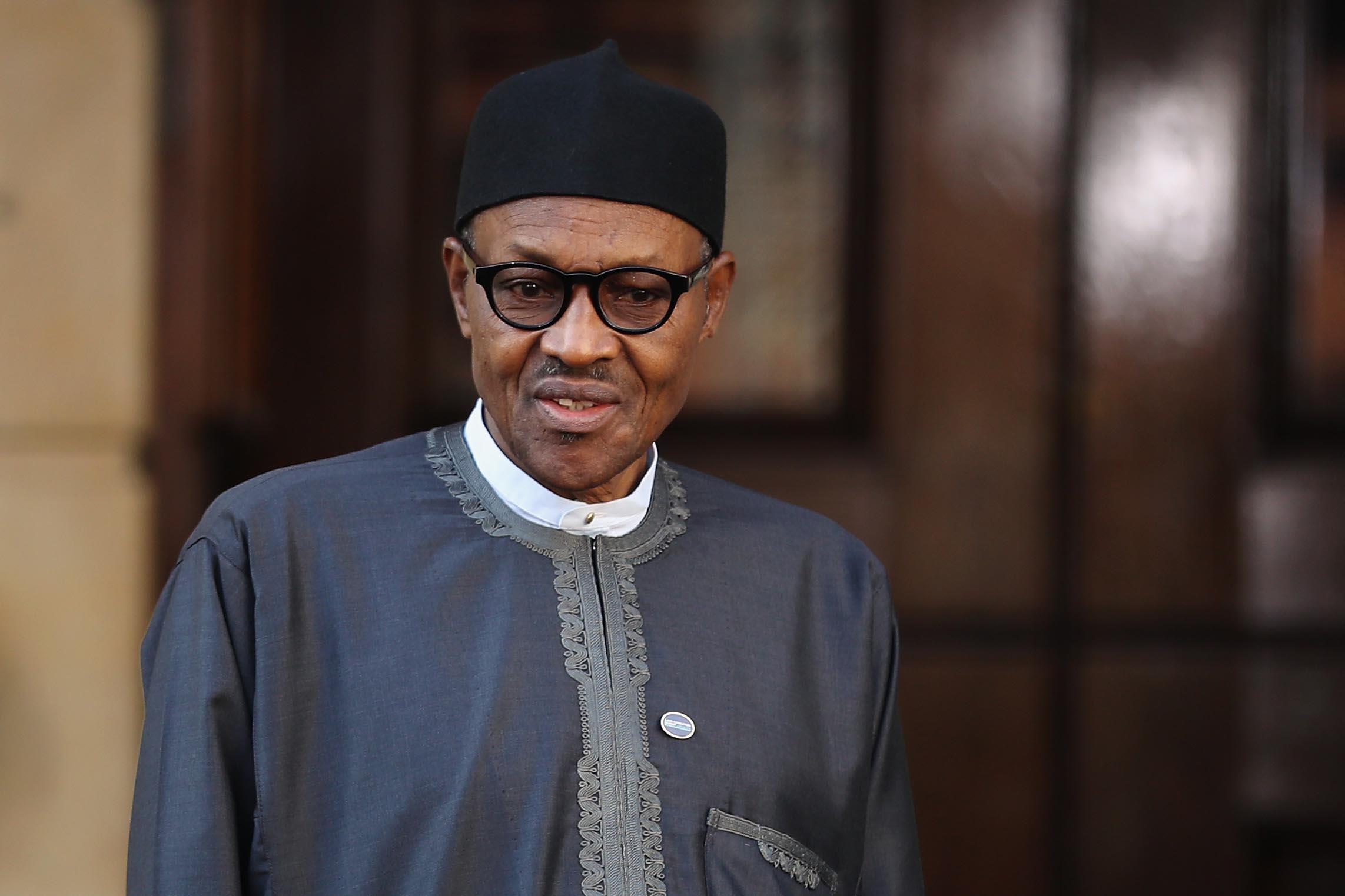
The Buhari Media Office has denied reports linking the late President Muhammadu Buhari to an ongoing controversy over a fake government agency said to have been allocated N1.3 billion in the 2026 budget.
In a statement, the Office denied reports suggesting that Buhari created the Presidential Foreign Intervention Promotion Council (PFIPC),” which has been conflated with the Presidential Economic Advisory Council (PEAC). The office insisted that no such agency as the PFIPC was ever established by the former president.
According to the statement, what Buhari actually created was the PEAC, which at its inception, operated from the second floor of the Ministry of Health building, in a space designated for the Chief Economic Adviser to the President, a position the office said, had not yet been filled at the time, with an appointment to the role coming much later at the Federal Secretariat.
It further explained that under the last administration, the PEAC had no dedicated budget line and its activities were funded through direct presidential approvals channelled to the Minister of Finance. It described the council as an advisory body made up of economists and financial experts, who provided economic guidance to the president.
The council, the statement said, was chaired by Professor Doyin Salami, before he was later appointed Chief Economic Adviser to the President. Other members listed include Professor Mahmuda Sagagi, who served as vice chairman, along with Professor Ode Ojowu, Dr Shehu Yahaya, Dr Iyabo Masha, Professor Chukwuma Soludo, Mr Bismarck Rewane and Dr Mohammed Adaya Salisu, who served as secretary in his capacity as Senior Special Assistant to the President on Development Policy.
The Buhari Media Office stated that council members were not paid salaries, though office expenses were covered by the Permanent Secretary at the State House, subject to presidential approval.
According to the media office, the incoming administration neither formally dissolved the Buhari-era PEAC nor reappointed its members. The members themselves, being political appointees, regarded their tenure as having ended once the administration that appointed them left office.
As a result, the office space at the Federal Secretariat remained vacant for a period before being put back into use by other officials two to three years later.