Follow Us on Google
From Juliana Taiwo-Obalonye, Abuja
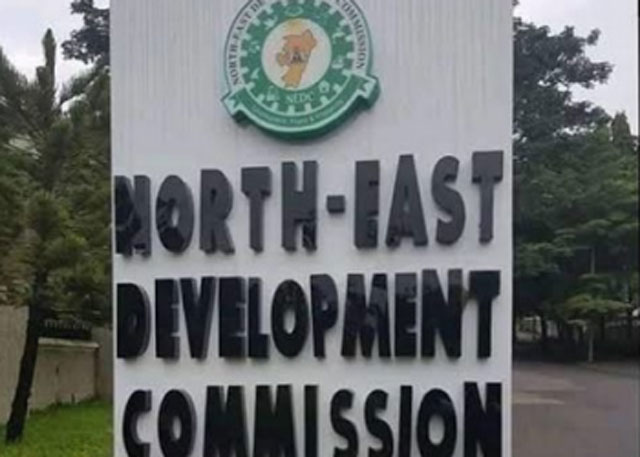
Budget Office of the Federation has dismissed viral claims that the North East Development Commission (NEDC) runs a ₦246 billion “salaries budget,” calling the narrative “misleading, inaccurate, and rooted in a fundamental misunderstanding of the Federal Government of Nigeria’s budgeting framework.”
In a strongly worded press statement signed by Director General, Tanimu Yakubu, the office clarified that the ₦246.77 billion allocation to NEDC is a “statutory lump-sum provision, initially presented at an aggregate level, consistent with established budget preparation practices for statutory and quasi-statutory bodies under the Medium-Term Expenditure Framework (MTEF).”
Yakubu rejected suggestions that ₦244 billion targets personnel costs alone, explaining it as a “technical placeholder” used when agencies submit incomplete breakdowns. “This is a recognised procedural convention pending detailed submissions, legislative adjustments, and approved reallocations during budget execution,” he stated. “This technical presentation must not be confused with spending intent.”
On capital spending, the office addressed the cited ₦2.70 billion figure, noting it stems from National Assembly-approved rephrasing in the 2025 budget, with 70% rolled into 2026. “This was a legislative decision regarding the timing and sequencing of appropriations and does not indicate a lack of development projects,” Yakubu stressed.
He highlighted ongoing NEDC interventions in the North East, including “agricultural support programmes, food security initiatives, orphanage construction and rehabilitation, IDP camp reconstruction, boreholes, security logistics, and constituency-level development projects,” urging the public to review full budget schedules rather than “selective reading of a single budget line.”
Defending personnel funding, Yakubu stressed its necessity: “Personnel costs within a development commission are neither unusual nor improper. They fund engineers, procurement officers, project managers, monitoring and evaluation teams, and fiduciary oversight required to design, supervise, and deliver projects effectively.” The NEDC, he added, adheres to robust oversight via MTEF, Appropriation Acts, National Assembly scrutiny, quarterly reports, and audits. “The claim that the NEDC exists merely to pay salaries is unfounded. It conflates technical budget presentation with actual expenditure intent, ignores legislative appropriation dynamics, and disregards project-level evidence already embedded in official documents,” Yakubu declared.
The Budget Office called for responsible engagement: “Genuine public scrutiny is welcome and encouraged, but it must be informed by an understanding of how the budget system works… Misinformation does not serve accountability, and ignorance of the budget process should not be weaponised as public commentary.”