Follow Us on Google

From Isaac Anumihe, Abuja
The rate of bribery reporting in Nigeria has risen from 3.6 per cent in 2019 to 8.6 per cent in 2023, reflecting the growing awareness and willingness among Nigerians to confront corruption.
According to a survey by National Bureau of Statistics (NBS), the rate shows the positive impact of the efforts of anti-corruption agencies in raising awareness and getting Nigerians to report any incidence.
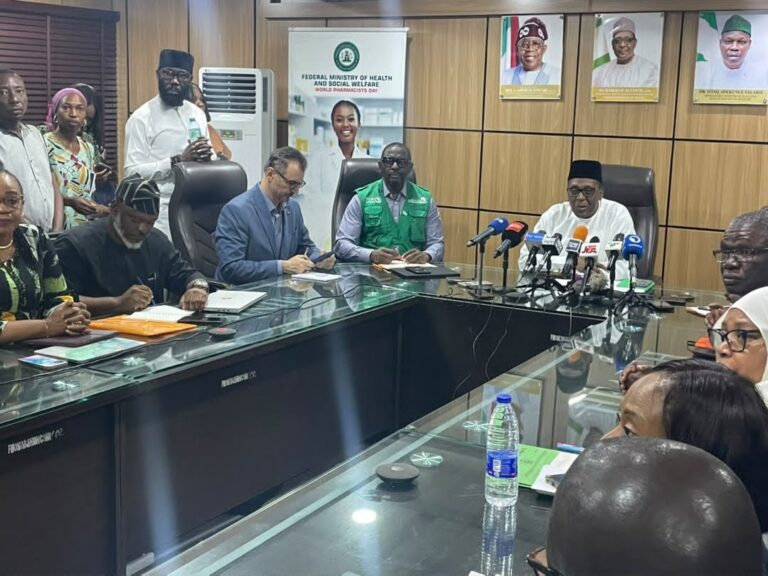
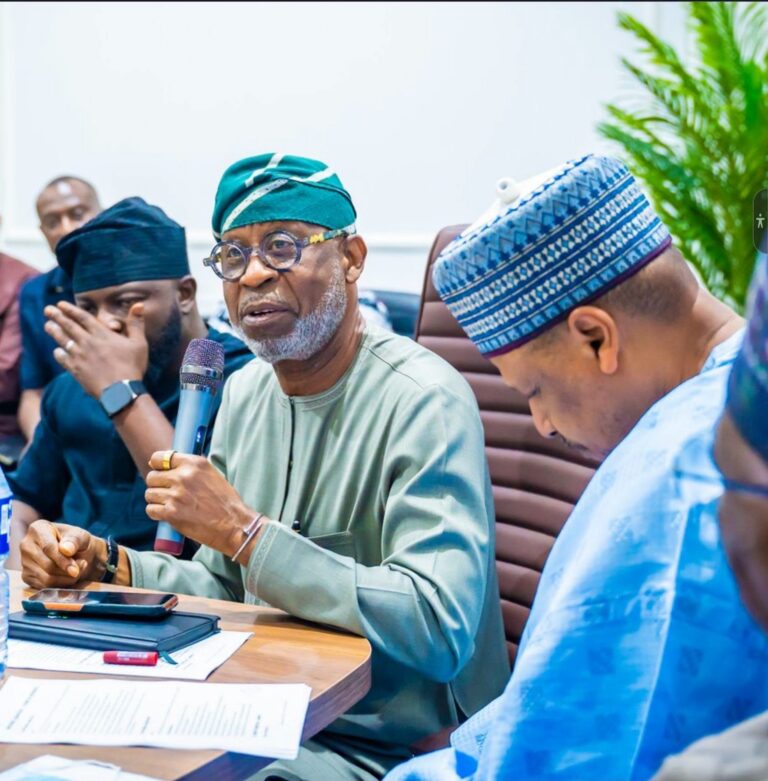
Speaking at the launch of the third round of the Nigeria Corruption Survey, Statistician General (SG) of the Federation, Prince Adeyemi Adeniran, said that the relevance of the Corruption Survey is underscored by several insights provided in the report such as the prevalence and patterns of bribery in the country which remains significant, with 34 per cent of citizens either paying or being asked to pay a bribe and refused, when they encountered public officials.
“In addition, as this was the third wave of the survey, following the 2016 and 2019 rounds, we were presented with an opportunity to conduct a trend analysis of corruption experienced by households in the country” he said.
Adeniran described the survey as unique because it underscored the understanding and the experience of corruption rather than perceiving it.
Other News
“This survey is unique in the sense that it focused on understanding the experience of corruption by Nigerians, rather than just perceived corruption, whenever they encounter any public officials. Also, two new and vital modules – Gender and Disability, were introduced to the instruments deployed, to give us a deeper understanding of the experience and impact of corruption on marginalized or typically excluded groups such as women, youths, and persons with disabilities” he said.
According to the SG, the survey put Nigeria on the lead of countries with the international best practices on corruption.
“Through these surveys, Nigeria continues to lead in establishing international best practices in the periodic and scientific assessment of anti-corruption efforts. The survey provides a critical tool for evidence-based policymaking, enabling a comprehensive analysis of corruption trends and the effectiveness of anti-corruption strategies” he said.
To this effect, the SG used the occasion to appreciate all the anti-corruption agencies that facilitated the survey.
“On that note, let me acknowledge the collective efforts and contributions of all partners and stakeholders involved in this exercise. All the anti-corruption agencies that served on the technical and steering committees – specifically the Federal Ministry of Justice, the Nigerian Police Force, the Economic and Financial Crimes Commission (EFCC), and the Independent Corrupt Practices and Other Related Offences Commission (ICPC). We thank you for your contribution and input to the successful outcome of this exercise.
“Permit me to also sincerely appreciate the United Nations Office on Drugs and Crime (UNODC) and the MacArthur Foundation for the technical and financial support provided for the conduct of the survey in Nigeria. Your unwavering support has been vital in making this survey a success and we look forward to further collaboration and partnership in other areas of data production. I thank you all for your kind attention and I wish us all a successful event” he noted.