Follow Us on Google

The International Women’s Day (IWD) was marked on Tuesday globally with notable leaders, concerned groups and eminent individuals drawing attention to subsisting barriers that hinder women’s emancipation and development and called for urgent actions to dismantle them. Bearing in mind the theme of this year’s IWD, “Gender equality today for sustainable tomorrow,” Nigerian women used the occasion to protest the institutional biases and cultural barriers that impede the aspirations of women in the society.
The women, who carried the protests in Abuja, Lagos and other cities across the country, were irked by lawmakers’ seeming disdain of the gender bills, which include granting 35 per cent representation of women in politics, citizenship and indigenship matters.
The IWD is celebrated annually on March 8 to commemorate the cultural, political and socioeconomic achievements of women. The 2022 IWD campaign theme: #BreakingTheBias is a clarion call on world leaders, policy makers and gender activists to envision a gender equal world, a world free of bias, stereotypes and discrimination. It requires all of us to dream of a world that is diverse, equitable and inclusive.
Breaking the bias that holds women down can only be possible in a world where difference is valued and celebrated instead of being denigrated. Breaking the barriers that impede women’s development can be a lot easier if we all can together forge women’s equality. During the commemoration of IWD in Nigeria, President Muhammadu Buhari applauded the virtues of Nigerian women and enjoined that the occasion be used to appraise the vital role of women in society, homes, governance, the professions and all walks of life. While acknowledging that Nigerian women are not yet where they should be, the president lauded the contributions of women to his administration as ministers, special advisers and others.
In the spirit of the occasion, the Speaker of the House of Representatives, Hon, Femi Gbajabiamila, disclosed at plenary the decision of the House to reconsider the earlier rejected gender bills. Essentially, the gender bills seek to alter the provisions of the 1999 Nigerian Constitution to provide for 35 per cent affirmative action for women in political party administration and appointive positions across federal and state levels; expand the scope of citizenship by registration and provide qualification to become an indigene of a state in Nigeria.
We commend the leadership of the House of Representatives for his promise to reevaluate the gender bills by the lawmakers in the weeks ahead. We urge the Senate and the House of Representatives to work in concert and see the merit in the bills. Women emancipation, particularly in this part of the world, will be a ruse without systematically dismantling gender barriers that continue to hold them down in work places and politics. For Nigerian women to rise beyond their present limiting circumstances and contribute meaningfully to national development, there must be institutional plans to break the stereotypes, prejudices and biases that greatly impede their aspirations and development.
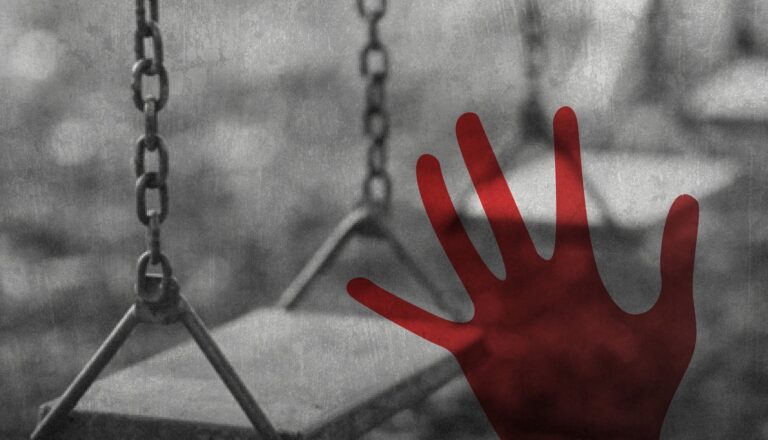
At a time the world is celebrating the achievements of women, it is sad that a 22-year-old female passenger, Bamise Ayanwole, was gruesomely murdered in a Lagos State BRT bus, as scores of women and young girls are daily becoming victims of rape, incest and ritual killings across the country and other parts of the world. It is also unfortunate that many women and girls have been killed and others dislocated in the ongoing Russia/Ukraine crisis and other avoidable conflicts across the globe.
In Nigeria, many harmful cultural practices are still being observed with the tacit support of some traditional women. Such inimical cultural practices include female genital mutilation, harmful widowhood rites, wife inheritance, and denial of rights to property, among others. As we mark the IWD, the World Bank’s Women, Business and the Law 2022 report reveals that 2.4 billion women of working age don’t have equal economic opportunities the world over and 178 countries have legal barriers which prevent their full economic participation. There are also countries where men and women do the same job and women earn less. For women to meet their goals in life, these barriers must be removed and obliterated.
For Nigeria to develop optimally, women, who constitute over 50 per cent of the population, must be factored in its national development agenda, in line with other developed nations. Women should be made to have access to education, jobs and national resources. There must be a deliberate effort to lift women out of poverty and misery. They should be part of the nation’s vision for economic and political development.