Follow Us on Google
By Seyi Babalola
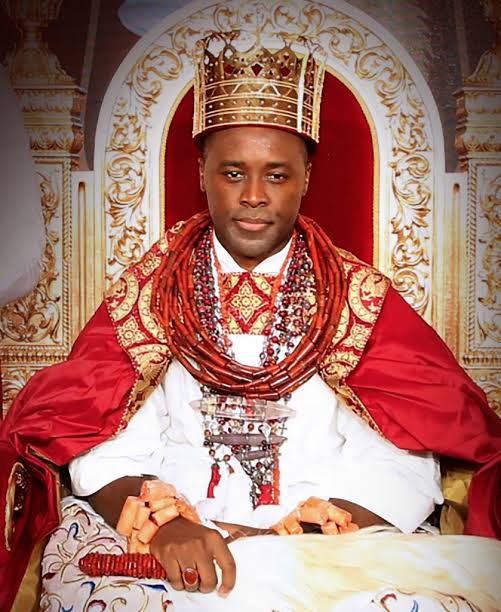
The Olu of Warri, His Majesty Ogiame Atuwatse III, has decried what he described as over six decades of neglect, marginalisation and systemic injustice against the Itsekiri people despite their significant contribution to Nigeria’s oil wealth.
In a strongly worded address issued after a tour of several riverine Itsekiri communities, the monarch said production figures and revenue statistics from oil extracted in Itsekiriland no longer reflect the harsh realities faced by the people, who remain impoverished and frustrated.
According to the traditional ruler, the Itsekiri nation has played a pivotal role in sustaining Nigeria’s economy, yet continues to suffer from poor infrastructure, environmental degradation and lack of basic amenities.
“Our people are discouraged. Our people are poor. Our people are tired,” the Olu declared, adding that the situation was not accidental but the result of regulatory failures, divide-and-rule tactics by oil companies, a culture of tolerated oppression and internal betrayal by some Itsekiri elites.
The monarch, speaking as custodian of the land and culture, said the era of silence and ceremonial diplomacy was over, insisting that the Itsekiri people would no longer accept being treated as irrelevant in matters concerning their land and resources.
The Olu of Warri also directed stern words at what he described as self-serving individuals within Itsekiriland who, according to him, undermine collective interests for personal gain.
He accused some so-called leaders of acting as middlemen who profit from community tensions while trading the future of the people for selfish benefits.
“No external actor can truly undermine us unless someone inside unlocks the door,” he said, warning that continued betrayal of communal interests would attract consequences.
He called for unity, transparency and accountability within Itsekiriland, stressing that tolerance for internal sabotage had failed the people.
Addressing Chevron directly, the monarch acknowledged the company’s continued onshore presence but cautioned against mistaking the peaceful disposition of the Itsekiri people for weakness.
He noted that living conditions in many oil-producing communities had worsened since the commencement of oil exploration decades ago, warning that prolonged injustice could lead to desperation.
Other News
“Peace without justice is not sustainable,” he said, adding that it was becoming increasingly difficult to continue urging restraint without meaningful change.
The Olu vowed that the palace would no longer remain passive, stating that oil companies operating in Itsekiriland, including Chevron, Shell’s successor Renaissance, Seplat, Heritage, Conoil, ND Western, Elcrest, Sahara Energy and others, must not repeat the failures of the past.
While commending Delta State Governor, Sheriff Oborevwori, for ongoing road projects in Itsekiri areas, and President Bola Ahmed Tinubu for what he described as a listening ear, the monarch urged government at all levels to prioritise grassroots development.
He emphasised that nation-building begins at the community level and warned that continued neglect of oil-producing areas could undermine national stability.
The Olu also welcomed the Petroleum Industry Act (PIA), describing it as a “living document,” and urged regulators, operators and host communities to ensure it delivers tangible benefits to the people.
Outlining the demands of the Itsekiri people, the monarch listed priority areas to include electricity and connectivity, potable water, healthcare, education, accessibility, gainful employment for locals, environmental protection and expanded economic opportunities.
He stressed that employment of locals by oil companies must go beyond tokenism and insisted that development projects, once approved, must be treated as sacred responsibilities, regardless of who executes them.
“For sixty years, hundreds of billions of dollars have flowed from these swamps with almost nothing to show for it,” he said, adding that the next phase of oil production must leave a positive legacy rather than scars.
Citing Ogidigben as an example, the Olu recalled how a power project promised in 1990 only materialised after direct intervention by the palace more than three decades later.
He said the palace would henceforth actively defend the interests of oil-bearing communities across Itsekiriland and ensure accountability from both companies and contractors.
“This is not about contracts for a few; it is about dignity for all,” the monarch declared, announcing what he described as a new, irreversible era for host communities in Itsekiriland.