Follow Us on Google
Cameroon’s Parliament is divided over the so-called special status President Paul Biya ordered for the country’s English-speaking regions as a solution to the crisis that has killed more than 3,000 people.
Some lawmakers who convened for the extraordinary session of Parliament on Biya’s instructions suggest that only the creation of federal states, one incorporating the country’s English-speaking regions and the other made up of the French-speaking regions, can stop the crisis.
Others said the English-speaking regions’ special status already cedes enough power and resources to the crisis-prone areas, where separatists are fighting to create an English-speaking state
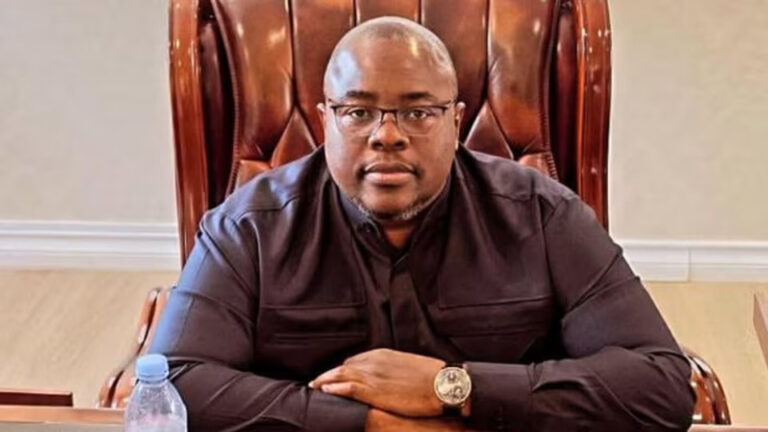
Cavaye Yeguie Djibril, speaker of Cameroon’s National Assembly, told the lower house of the Parliament that Biya asked him to convene the extraordinary session solely to examine the bill and vote it into law because Biya is determined to restore peace in the restive English-speaking regions.
Lawmaker Njume Peter Ambang from the English-speaking South-West said the section of the bill granting a special status to the English-speaking regions could calm rising tensions for peace to return.
“It is a moment for us to leave a legacy and we should look at this particular document with a lot of seriousness and responsibility,” Ambangsaid. “We owe Cameroonians a lot. This is the moment that I think we have to make Cameroonians to know that they elected us for their own interest.”
The bill envisages the creation of assemblies of chiefs, regional assemblies and regional councils for the English-speaking North-West and South-West regions with each of the two regions having elected presidents, vice presidents, secretaries, public affairs management controllers and three commissioners responsible for what the bill describes as economic, health, social, educational, sports and cultural development affairs.


![Five EU countries to establish deportation centres in Africa [Full list]](https://cdn.thesun.ng/wp-content/uploads/2026/10/Five-EU-countries-to-establish-deportation-centres-in-Africa-Full-list-768x432.webp)