Follow Us on Google

By Correspondent
LAGOS, Nigeria — Usually known for maintaining a relatively low public profile, billionaire’s son Lanre Okoya has recently become the focus of growing industry attention following reports linking him to entrepreneur and international business developer Les Ojugbana in what analysts believe could evolve into one of the most significant industrial development initiatives in Nigeria’s agricultural sector.
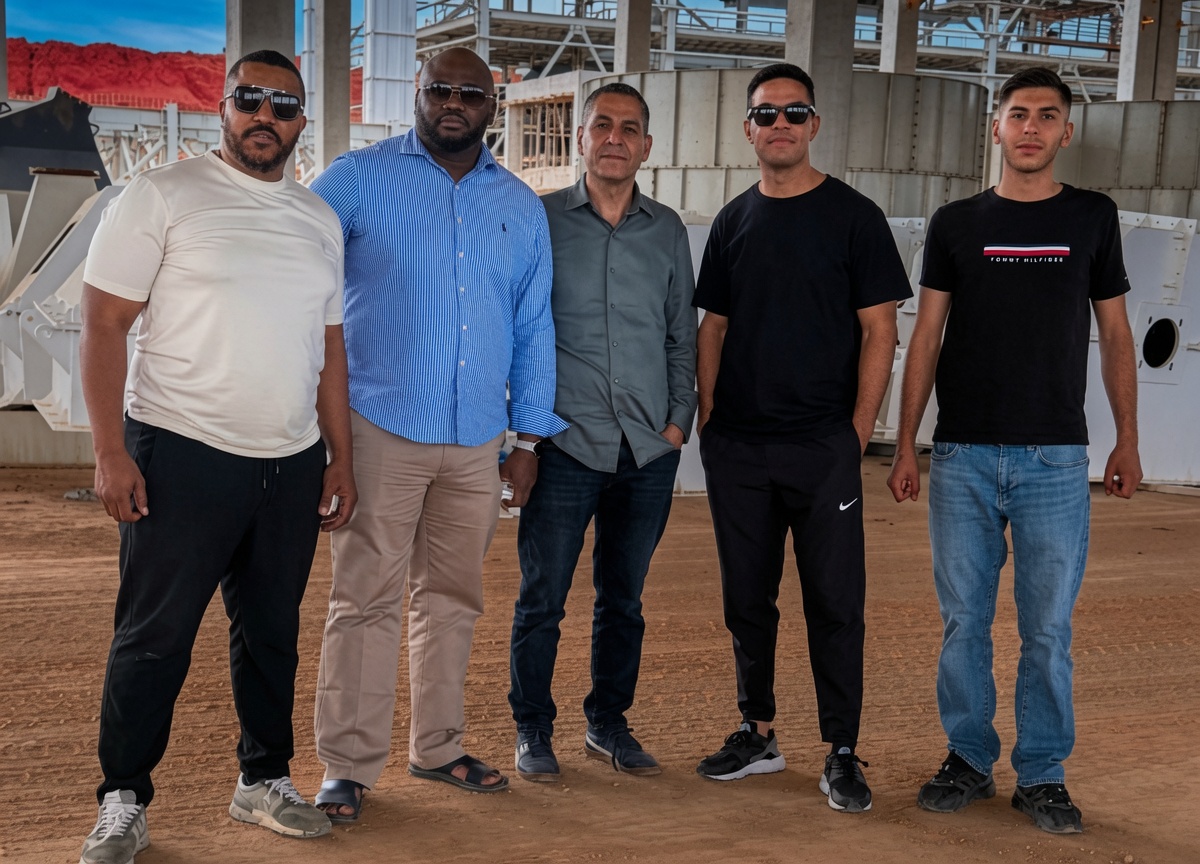
The media-shy businessman, son of renowned Nigerian billionaire industrialist Razak Okoya, has been the subject of increasing discussion following newspaper reports and social media posts showing him travelling across Türkiye alongside Ojugbana.
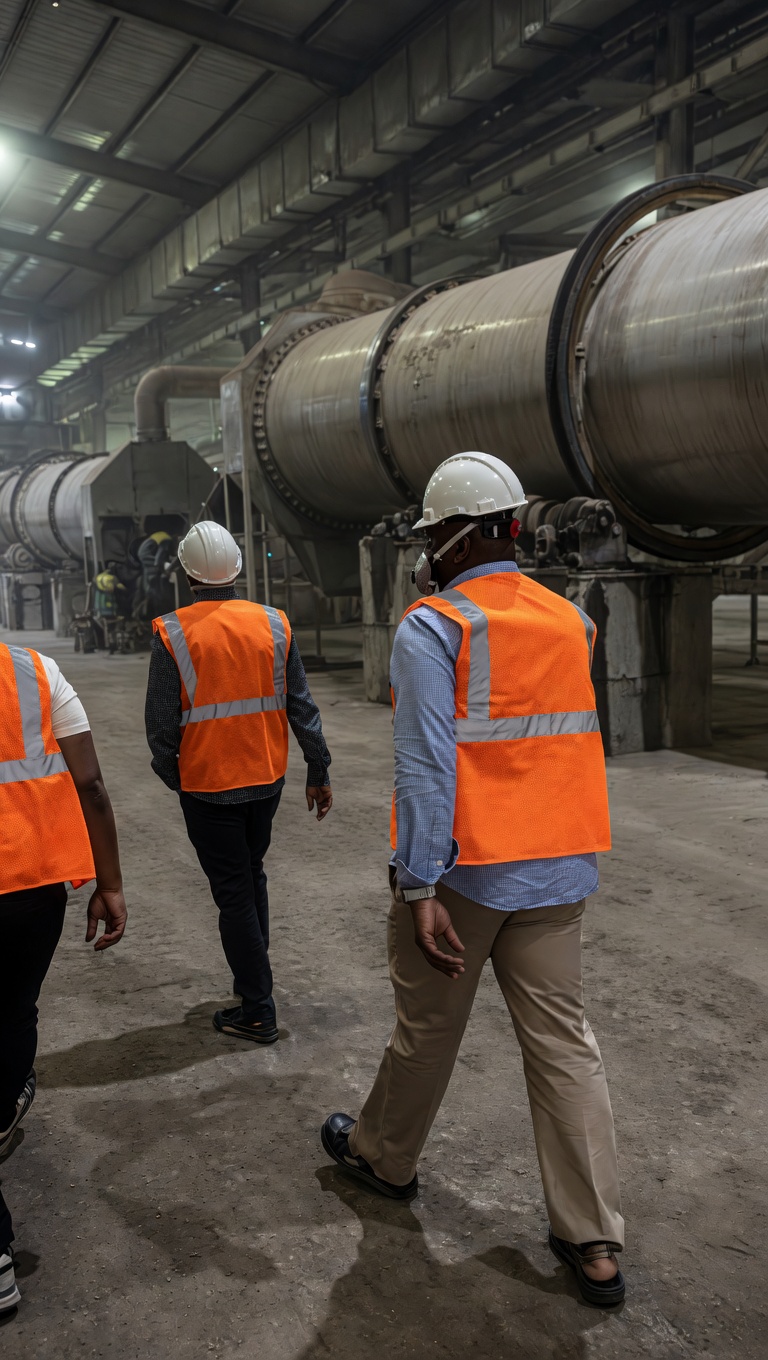
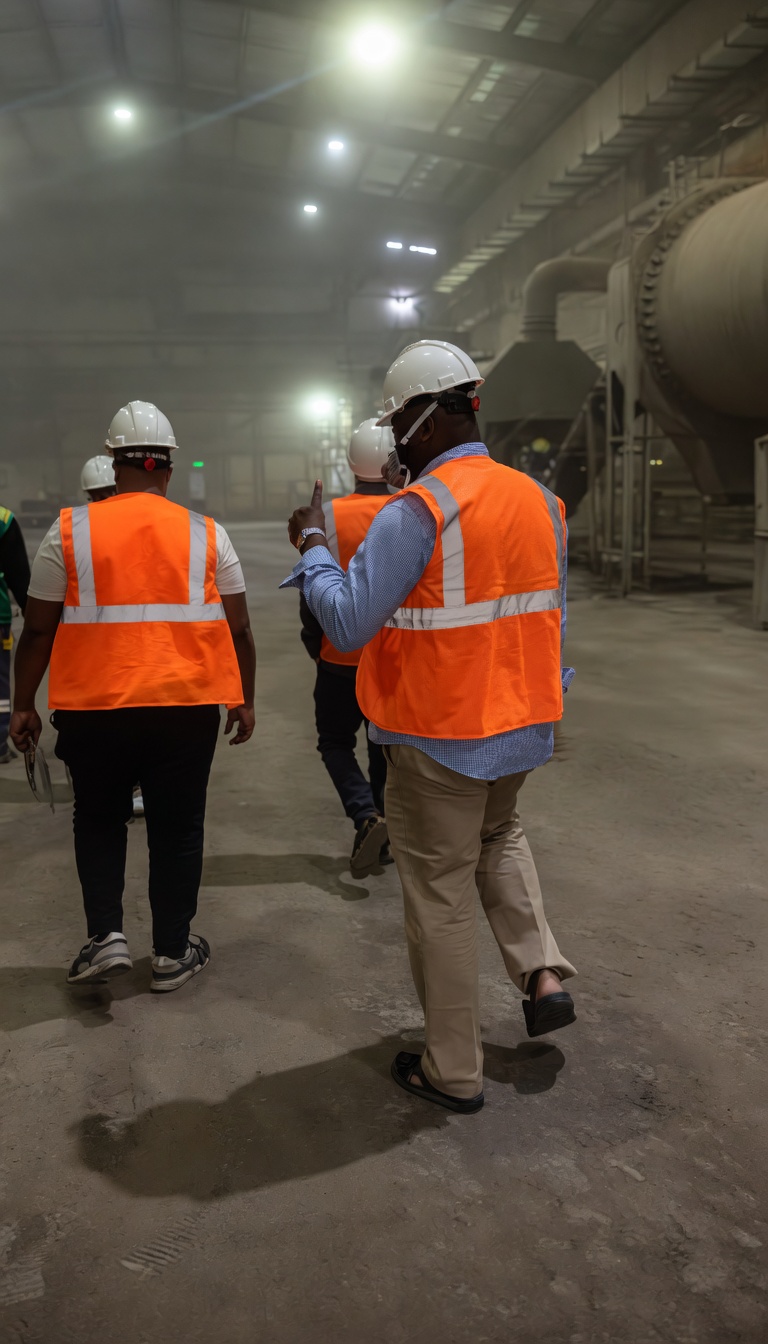
Images and videos shared online appear to show the pair visiting major industrial facilities and holding meetings with business stakeholders, fuelling speculation that plans may be underway for the development of multiple NPK fertiliser blending plants and gypsum-processing facilities across Nigeria and potentially East Africa.
While neither party has publicly announced any formal project, industry analysts believe that any investment of such scale would likely involve Public-Private Partnership (PPP) arrangements with both state and federal governments.
According to analysts monitoring developments, projects of this magnitude would represent a significant opportunity for government collaboration with the private sector, particularly given the backgrounds of those reportedly involved.
“Should these discussions materialise into actual projects, they would represent the type of industrial partnership Nigeria has been seeking for decades,” one industry observer noted.
Industry observers note that one of the reasons the reported partnership has generated such widespread interest is the reputation and experience associated with both families.
The Okoya family, led by billionaire industrialist Razak Okoya, is widely regarded as one of Nigeria’s foremost business dynasties, with decades of success across manufacturing, industry, commerce, and investment. Their influence within Nigeria’s private sector has made the family name synonymous with entrepreneurship and industrial development.
Similarly, associates of Les Ojugbana point to his family’s reported involvement in large-scale fertiliser and gypsum production operations in Türkiye, highlighting extensive technical expertise and operational experience within the sector. Industry sources describe the family as possessing specialised knowledge in the development and management of major industrial facilities serving both domestic and international markets.
Analysts believe that the combination of these strengths has fuelled excitement around the reported discussions, with many viewing the two families as business powerhouses in Nigeria and beyond. Supporters argue that a collaboration bringing together the Okoya family’s industrial and commercial pedigree with the Ojugbana family’s reported technical and operational expertise could create a formidable platform for large-scale industrial investment.
Recent social media activity has further intensified speculation, with followers noting visits to major manufacturing sites in Türkiye. Some reports suggest the facilities visited include large-scale gypsum and fertiliser production operations, with certain industry commentators describing them as among the world’s largest gypsum-producing facilities, although such claims remain independently unverified.
Experts say that if the reported plans progress, the economic implications could be substantial.
Operations on this scale would be expected to create thousands of direct and indirect employment opportunities across construction, logistics, manufacturing, engineering, agriculture, and support services. Beyond job creation, analysts believe local fertiliser production would significantly reduce Nigeria’s reliance on imported agricultural inputs, helping conserve foreign exchange while strengthening domestic industrial capacity.
The potential benefits for farmers could also be considerable. Increased local production of NPK fertiliser would improve availability, reduce supply-chain disruptions, and potentially lower costs for agricultural producers, supporting higher crop yields and improved food security.
Communities hosting such facilities could benefit from infrastructure development, local procurement opportunities, skills training programmes, and broader economic activity generated by large-scale industrial operations. Economic analysts further note that the establishment of multiple NPK and gypsum facilities across Nigeria would directly support local farmers and rural communities while contributing to national food security objectives.
Industry observers note that Nigeria’s continued push toward agricultural self-sufficiency makes fertiliser manufacturing one of the country’s most strategically important sectors. Coupled with growing demand across East Africa, the market opportunity for modern production facilities remains significant.
For many observers, the reported collaboration represents a potentially powerful combination of Nigerian industrial heritage and international technical expertise.
While Lanre Okoya has largely remained outside the public spotlight, recent developments have generated considerable interest among business leaders, investors, and policymakers eager to see whether the discussions could translate into tangible industrial projects.
As speculation continues, many within the business community believe that any future partnership bringing together the industrial pedigree of the Okoya family and the reported technical expertise associated with Les Ojugbana’s family would attract significant attention from both government and private-sector stakeholders.
Although no official project announcement has been made, analysts agree that if realised, such investments could represent a major boost for Nigeria’s industrialisation agenda—creating jobs, reducing dependence on imports, supporting local farmers and communities, strengthening food security, encouraging technology transfer, and contributing meaningfully to long-term economic growth across Nigeria and East Africa.
___________________________________
Editor’s Note: This article is written based on publicly discussed reports, social media activity, and industry commentary. Any proposed projects or partnerships referenced remain speculative unless officially announced by the parties involved.