Follow Us on Google
By Benson Michael
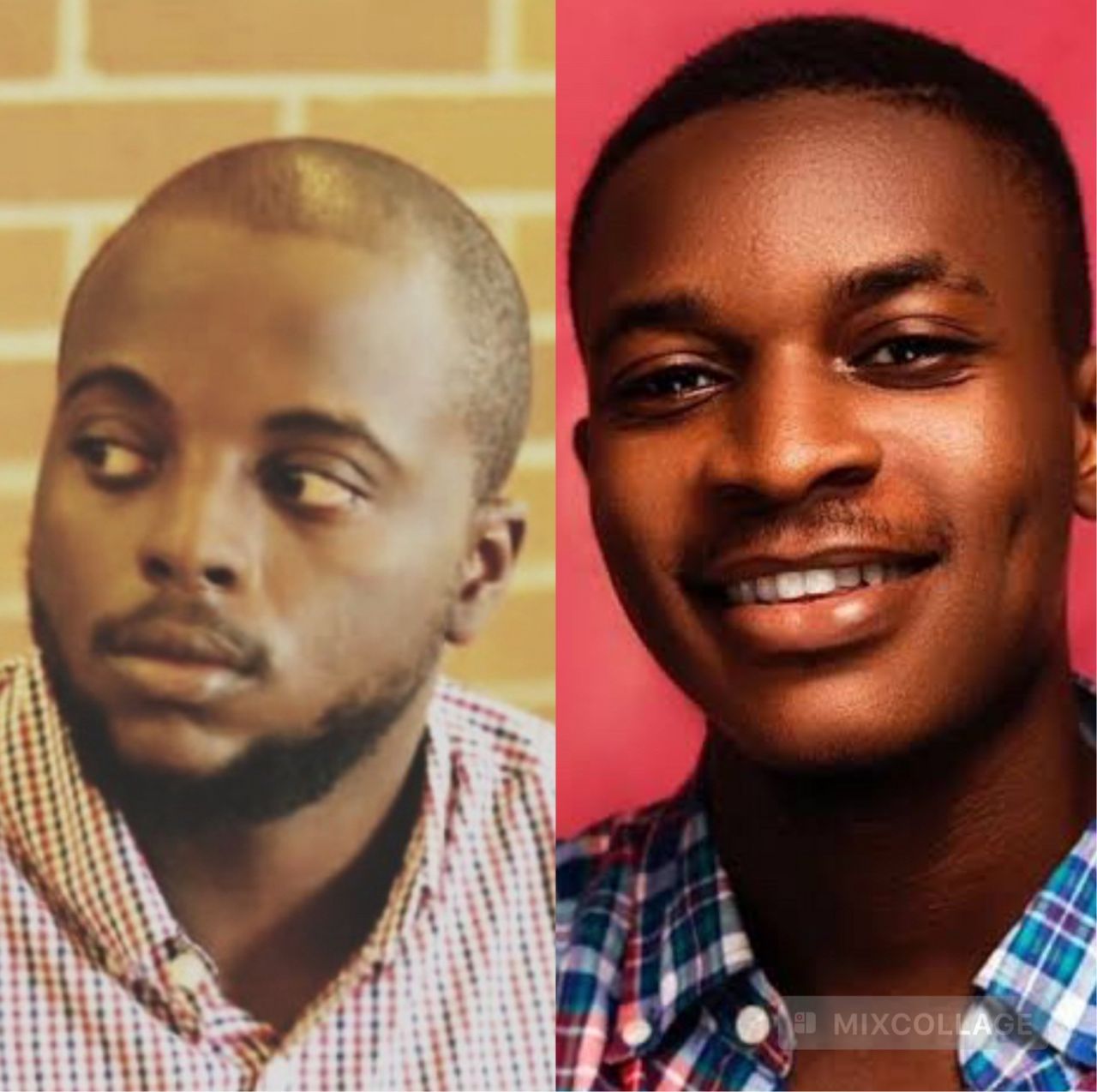
The Nigerian alté scene has always thrived on creative risk-takers, but it’s not just artists shaping its sound—behind the music are managers who understand both the culture and the business. One such figure is Hamiid Wonda, whose work with Jinmi Abduls between 2014 and 2018 marked one of the most important emerging artist–manager partnerships of the era.
Jinmi Abduls entered the industry as a young singer and songwriter with a deep appreciation for highlife, R&B, and Afropop. His early recordings revealed a rare blend of timeless melodies and modern sensibilities. But the competitive Lagos music scene is notoriously difficult to navigate without the right support, and that’s where Wonda stepped in.
Spotting Abduls’ potential early on, Wonda took charge of managing his career, refining his branding, and steering his music towards an audience ready to embrace something different. The partnership yielded a string of memorable releases—Pose, Tinuke Eko, and several other singles—that stood out for their warmth, storytelling, and sonic innovation.
Wonda’s influence extended beyond music production and release schedules. He understood the power of Lagos’ underground performance spaces and positioned Abduls in front of the right crowds at the right time, from intimate listening sessions to buzzing alté showcases. This strategy not only built a loyal fan base but also placed Abduls among the movement’s leading voices alongside Santi, Odunsi (The Engine), and Lady Donli.
By 2018, industry watchers were taking note. Publications and fans alike pointed to the Wonda–Abduls collaboration as proof that the alté sound could be developed into a sustainable career path with the right mix of artistry and management. Their work together helped define a particular branch of the alté wave—emotive, unhurried, and richly rooted in Nigerian tradition while unafraid to embrace global influences.
For Wonda, the success was a validation of management as an art form in itself. For Abduls, it was the birth of a career that continues to influence the shape of Nigeria’s alternative music conversation. Together, they didn’t just ride the alté wave—they helped build it.