Follow Us on Google

From Laide Raheem, Abeokuta
The Central Bank of Nigeria (CBN) has reiterated that the ongoing banking sector reforms, especially the recapitalisation drive, are pivotal to achieving Nigeria’s ambition of a $1 trillion economy by 2030.
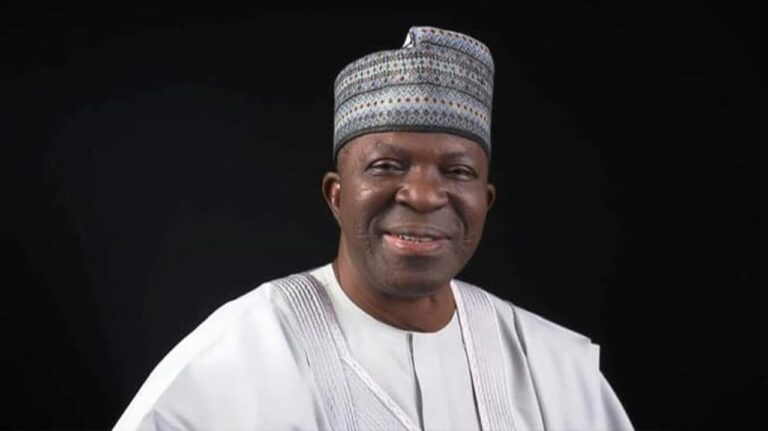
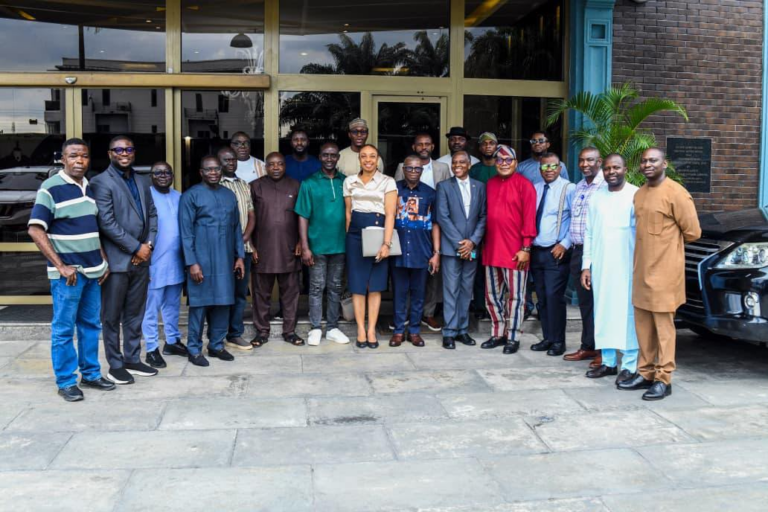
The CBN Deputy Governor for Financial System Stability, Philip Ikeazor, who stated this at the three‑day retreat of the Association of Corporate Affairs Managers of Banks (ACAMB) in Abeokuta, the Ogun State capital, added that stronger and better‑capitalised banks will boost national development, enhance competitiveness, and improve resilience to shocks.
Ikeazor emphasised that the reforms would enable Nigerian banks to participate in the global economy and be resilient to external and internal shocks.
Delivering a lecture on the theme of the retreat, “Olumo 2025: Banks Recapitalisation and Beyond: Amplifying Brand Resilience and Stakeholders’ Financial Inclusivity”
the CBN deputy governor who was represented by Mr Ibrahim Umar Hassan, noted the recapitalisation will make Nigerian banks “bigger, but more importantly, better,” giving them the capacity to fund large‑ticket projects and participate in the global economy.
He recalled that a similar recapitalisation exercise in 2005 consolidated Nigerian banks and made them stronger, allowing them to contribute to the economy and expand regionally.
He emphasised further that the reforms are for the betterment of the banks, the industry, and ultimately, Nigerians and the Nigerian economy.
Ikeazor expressed optimism that a large number of banks would meet the requirements before the expiration of the deadline in the first quarter of 2026 and be recapitalised individually or through mergers.
He commended ACAMB for being a strategic partner in projecting the right message to Nigerians on how it contributes positively to the improvement in the standard of lives and living of Nigerians.
“I am confident quite a large number of banks have already met the requirement, and before the expiration of the deadline in 2026, I can assure you that all banks will be recapitalized in the sense of either individually or through mergers and whatever strategic alignments that may take place. But I promise you that without any fear of contradiction, the objectives of the exercise will be achieved.
Other News
“A lot of reforms are taking place at the Central Bank of Nigeria, under the leadership of the governor, Mr Olayemi Cardoso, and these reforms, especially in the banking sector, where we’re talking about recapitalisation, are aimed primarily to reposition Nigerian banks to make them bigger, but more importantly, better parts.
“What that means is it gives them the capacity to actually contribute to national development and growth, the ability to participate in the global economy, be more competitive and also be resilient to external and internal shocks that inevitably every economy faces from time to time.
“So the recapitalization, as if you may recall, in 2005 a similar exercise took place, which positioned many Nigerian banks at that time, but we recapitalize them, consolidated them to only 25 banks that became stronger, better banks more resilient to shocks that made it possible for Nigerian banks to contribute to the Nigerian economy and also participate in the regional economy of West Africa, East Africa, and even globally.
“As a result of that exercise, we now have Nigerian banks that are bankrolling big-ticket items all over the world, with a presence in West African countries, East African countries, major financial centres like London, Paris. So it is in the same vein, this recapitalisation exercise is equally taking place for us to achieve the lofty vision of Nigeria becoming a $1 trillion economy by the year 2030”, the CBN deputy governor submitted.
The guest lecturer, Prof. Tayo Otunbanjo, encouraged financial institutions in Nigeria to take advantage of the ongoing recapitalisation to carry out the real banking function.
He maintained that the financial institutions, following the recapitalisation are flooded with cash, saying “it is the time to push that money out to traders and artisans who want to do business in Nigeria for the economy to flourish”.
“The role of banks is to support businesses, to support people who want to do things, who want to do businesses within the country, and I believe they have the resources now. What happened in 2006 and later shouldn’t happen again. The money banks have now should be used purposefully for investment in Nigeria”, Otunbanjo said.
Earlier in his address, the ACAMB President, Mr Rasheed Bolarinwa, noted there is a need to create confidence in the banking sector through the reputation and perception managers.
He added that the Corporate Communications Managers build trust among the Nigerian public about the critical roles the banking system plays in their lives and economy.