Follow Us on Google
The recent revelation by the National Palm Produce Association of Nigeria (NPPAN) that Nigeria spends $600 million annually on importation of palm oil does is unacceptable considering the country’s past records in palm oil production. For decades, Nigeria was the leading producer of palm oil in the world and accounted for 60 per cent of global production. Today, it has surrendered the enviable position to countries that were on the margins when Nigeria was the major exporter of palm oil in the world.
According to the National President of the NPPAN, Alphonsus Inyang, “in the 1960s, Nigeria was the leading global producer and exporter of palm oil, controlling over 60 per cent of the world’s supply. Now, more than 50 per cent of our consumption is met through imports.” Sadly, Nigeria is currently ranked the fifth producer of palm oil in the world. It has been overtaken by Indonesia, Malaysia, Thailand and Colombia. Inyang also warned that Nigeria might even lose the fifth position to smaller countries investing heavily in palm oil production.
The utter neglect of agriculture and by extension palm oil, by the federal and state governments in the country due to the discovery of crude oil has worsened the production of palm oil. Therefore, we call on the federal and state governments to work in concert to revamp the beleaguered oil palm production. No doubt, agriculture is one of the low-hanging fruits the government can use to diversify the economy and boost the non-oil exports. The government should make agro-business attractive to young people. For Nigeria to regain its preeminent position in the production of palm oil, government should embrace mechanised farming and give subsidies to farmers. It is sad that Malaysia which took its first palm tree seedlings from Nigeria in the 60s is now the second palm oil exporter in the world.
Available information from the U.S. Department of Agriculture shows that Nigeria produces 1.4 million metric tons of palm oil yearly. This accounts for 1.5 per cent of the world’s total output. Indonesia, which is the leading producer of palm oil in the world, produces 50 million metric tons annually. Malaysia, which sits in the second position, produces 19 million metric tons. Thailand, in third position, produces 3.28 million metric tons, while Colombia produces 1.9 million metric tons annually.
From the records, Nigeria produces less palm oil now than it consumes. While it consumes 3 metric tons of palm oil annually, the country produces half of that figure, making it inevitable to import to meet up with its domestic needs of palm oil. It is scandalous that Nigeria is still importing palm oil. The Southern states and some states in the Middle Belt can produce enough palm oil for domestic consumption and even for export. All of them are within the oil palm producing belt of the country. They should rise up to the challenge.
Inyang has urged the Federal Ministry of Agriculture and Food Security to support NPPAN members with essential resources and farm inputs to boost the production of palm oil. We suggest that the government should assist NPPAN members and indeed other palm oil produce farmers. Government should resuscitate palm oil mills across the country to boost palm oil production. Let the government give farmers improved palm seedlings, fertilizers and other inputs to boost the production of palm oil. The revamping of palm oil production will earn the country billions of dollars in foreign revenue if the sector is prioritised. It will also create the much-needed jobs for the youths.
The Ministry of Agriculture should develop a Palm Oil Strategy Development Plan to boost the production of palm oil. It should liaise with financial institutions to grant low-interest loans to palm oil producers. The federal government should establish the National Oil Palm Council. The establishment of the council has become necessary now that Nigeria is lagging behind in the production of palm oil in the world. To further boost the production of palm oil, the federal government should ban the importation of palm oil. The ban will help the government conserve the scarce foreign exchange used in palm oil imports.
Ban the importation of palm oil
26 June 2024 2:15 am WAT
 By
Rapheal
By
Rapheal
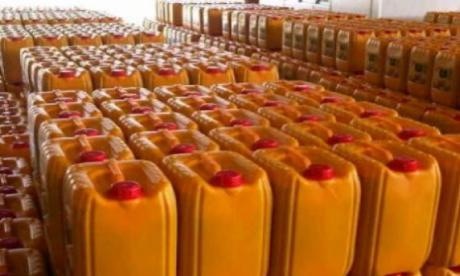
palm oil
Stay connected with The Sun Newspaper
Get breaking news, exclusive stories, and live updates delivered straight to your phone. Join thousands of readers already following us on Whatsapp Channel and Telegram.
Stay connected with The Sun Newspaper
Get breaking news, exclusive stories, and live updates delivered straight to your phone. Join thousands of readers already following us on Whatsapp Channel and Telegram.
Latest News

States get 85% of Nigeria’s resources, FG takes 15% – Oyedele
23rd October 2026


2027: Workers 13th-month pay should earn APC votes – Oborevwori
23rd October 2026


Ballon d’Or 2026: Lewandowski picks two favourites for award
23rd October 2026

Nigeria is on course for a $1 trillion economy –City Boy DG, Shoga
23rd October 2026