Follow Us on Google
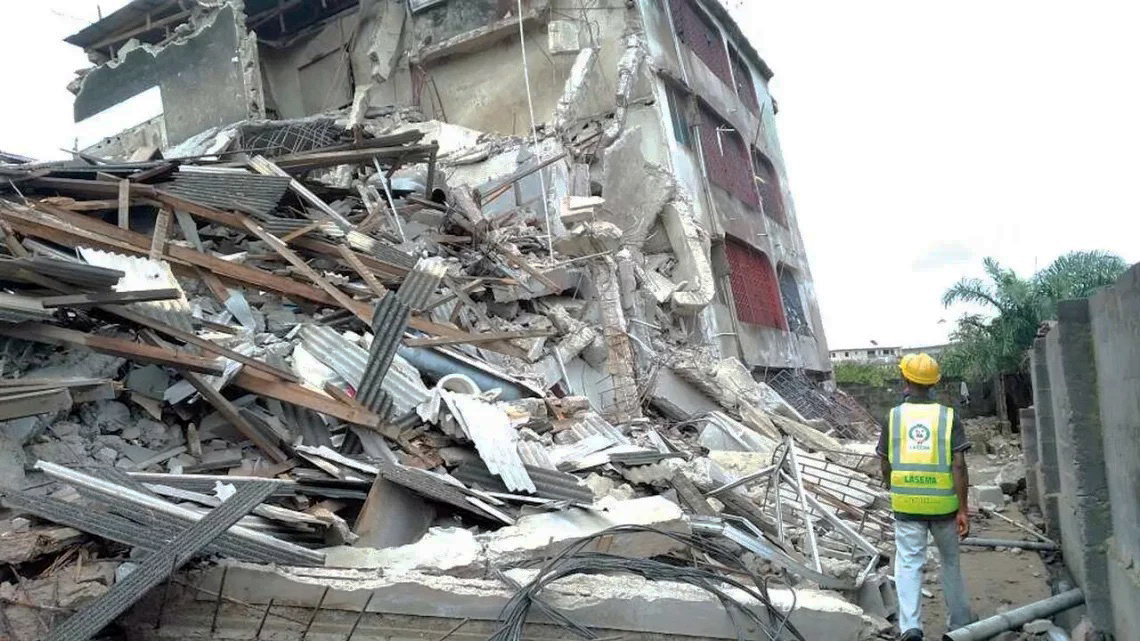
There are a few deaths more horrifying than being buried alive beneath tonnes of concrete, bricks, twisted steel and shattered glass. Yet, this nightmare has become an all-too-familiar reality in Nigeria. Building collapse must be averted.
The latest tragedy occurred on June 25 when a three-storey shopping complex in the Alakija area of Lagos State suddenly collapsed. Nine persons, including a baby, reportedly died under the rubble, while 27 others were rescued after frantic emergency operations. The grief of parents, spouses, children and relatives left behind cannot be quantified.
Disturbingly, this tragedy came barely 24 hours after a five-storey building under construction collapsed in the Trans-Amadi area of Port Harcourt, Rivers State, trapping several workers beneath the debris. One body was recovered.
The timing of these two incidents underscores a painful truth: building collapse has become one of Nigeria’s recurring national disasters. The figures are alarming. According to the Building Collapse Prevention Guild (BCPG), at least 1,639 people have died in about 679 building collapse incidents since the early 1970s. Lagos alone accounts for well over half of the incidents, making it the country’s epicentre of structural failures.
Every collapsed building represents shattered dreams, broken families, orphaned children, widowed spouses and livelihoods abruptly terminated. The victims are artisans, traders, students, engineers, passers-by and innocent children whose only offence was being in the wrong place at the wrong time. Building collapse has become an annual ritual in Nigeria. Hardly a year passes without one or several multi-storey buildings crashing down somewhere in the country. The causes are not mysterious. Investigations repeatedly point to the same familiar failings: engagement of unqualified persons masquerading as builders, use of substandard construction materials, disregard for engineering specifications, violation of approved building plans, weak supervision and outright neglect of building regulations. These are human failures, not acts of God.
The collapse of the 21-storey luxury building in Ikoyi, Lagos, on November 1, 2021, remains one of the country’s darkest reminders of regulatory failure. Forty-two people died in that disaster. Investigations revealed that the Lagos State Building Control Agency had approved only 15 floors, yet construction was extended to 21 floors. Such reckless disregard for approved plans should never have been allowed. That tragedy demonstrated how greed, regulatory negligence and weak enforcement can combine to produce catastrophic consequences.
Sadly, the lessons from Ikoyi appear not to have been learnt. If they had been, Nigeria would not still be counting fresh victims of preventable structural failures. The recurring nature of these disasters suggests that sanctions have been either inadequate or non-existent.
Other News
Developers who violate approvals often escape meaningful punishment. Officials who compromise standards are rarely held personally accountable. Quacks continue to flourish because the system has not made examples of offenders.
Deterrence remains the missing ingredient. Until those responsible for avoidable building collapses are prosecuted, convicted and made to bear the full consequences of their negligence, the cycle will continue. Government at all levels must therefore move beyond issuing condolences after every collapse. A comprehensive audit of buildings across the country has become imperative. Distressed, structurally defective and illegally altered buildings should be identified and demolished before they become death traps. Waiting until buildings collapse before acting is a costly and inhumane approach to regulation.
Regulatory agencies must also be empowered and insulated from corruption. Routine inspections should not exist only on paper. Every stage of construction—from foundation to completion—should be professionally monitored. Where deviations from approved plans are discovered, work should stop immediately until compliance is achieved.
Government must restore professionalism to the construction industry. Only qualified architects, structural engineers, builders and other certified professionals should supervise building projects. Property developers seeking to cut costs by employing quacks must understand that they are gambling with human lives. Saving money by compromising structural integrity is both immoral and criminal.
The use of certified materials should be non-negotiable. Inferior cement, reinforcement bars and other substandard building components have no place in projects intended to shelter human beings. Suppliers who flood the market with fake or inferior products should face stiff penalties, including closure of their businesses and criminal prosecution. Citizens also have responsibilities. Prospective tenants and buyers should demand evidence of regulatory approvals before occupying new buildings. Professional associations should continue exposing unsafe practices, while whistle-blowers who report structural violations deserve protection.
Nigeria cannot continue to lose scores of innocent citizens to disasters that are entirely preventable. Every collapsed building is a painful reminder that somewhere along the chain of responsibility, greed triumphed over safety, shortcuts prevailed over professionalism and enforcement gave way to compromise.
Concrete and steel do not fail on their own. They fail because someone ignored professional advice or violated approved building plans. They fail because someone substituted quality materials with inferior ones, or chose profit over human life. That chain of negligence must be broken. Nigeria must avert incessant building collapses.