Follow Us on Google
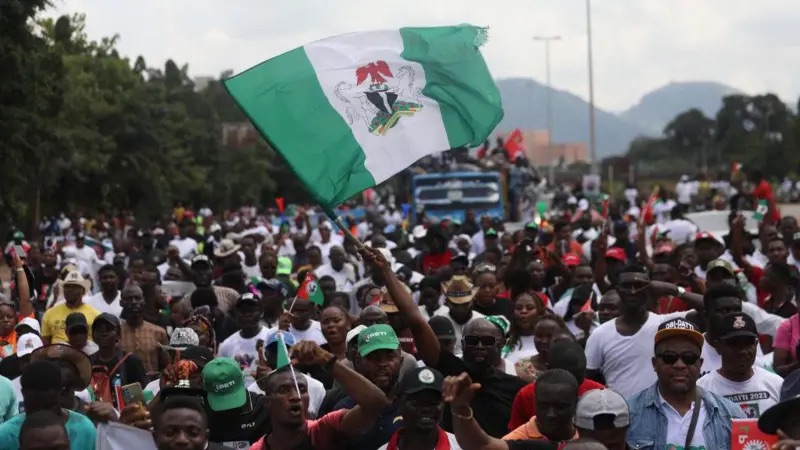
Campaigns for the 2027 presidential and National Assembly elections commenced throughout the country on August 19, 2026. The event was heralded by the presidential peace accord signed by the presidential candidates of some political parties in Abuja on August 18. They include Mr. Peter Obi of the Nigeria Democratic Congress (NDC); Adewole Adebayo of the Social Democratic Party (SDP); Omoyele Sowore of the African Action Congress (AAC); and Donald Duke of the People’s Redemption Party (PRP).
President Bola Tinubu of the All Progressives Congress (APC) was represented by the Secretary to the Government of the Federation, George Akume. The presidential candidates of the African Democratic Congress (ADC), Atiku Abubakar, and Allied People’s Movement, Seyi Makinde, were absent.
The candidates signed the accord to commit to peaceful, issue-based campaigns ahead of the elections scheduled for January 16, 2027. The governorship and House of Assembly elections hold on February 6, 2027.
The National Peace Committee (NPC), chaired by former Head of State, Abdulsalami Abubakar, in partnership with the Kukah Centre, facilitated the peace accord. At the event, candidates and their parties pledged to follow the Constitution, the Electoral Act, and the guidelines of the Independent National Electoral Commission (INEC). They also pledged to avoid hate speech, personal attacks, misinformation, violence, and other conduct that could undermine the electoral process.
At the ceremony, President Tinubu warned against exploiting ethnic and religious sentiments to mobilise voters. According to him, the campaign should be based on competing ideas and programmes. “We may exchange occasional jabs, but as members of the same household, the same national family, we must never resort to divisive and primordial sentiments of ethnicity or religion as tools for seeking power,” Tinubu said. We hope he and other candidates adhere to this admonition.
The NPC was established in 2014 following the tensions that trailed the 2015 general election. It aimed at galvanising candidates to commit themselves to peaceful campaigns and elections. Since 2015, it has reportedly facilitated 30 peace accords.
Now that campaigns have started, political parties and their candidates are expected to adhere strictly to the peace accord. It should not just be an annual ritual like the previous accords which failed to stop electoral violence. For instance, the Nigeria Security Tracker reported 106 election-related deaths in the build-up to the 2015 general election and 44 thereafter.
Election-related violence reportedly led to about 145 deaths during the campaign period for the 2019 elections. The European Union Election Observation Mission documented 101 violent incidents during the campaign for the 2023 elections. The August 15 off-cycle governorship election in Osun State was also marred by violence and incendiary comments by some political actors.
Other News
Political parties should maintain decorum and not resort to hiring thugs to unleash violence on their opponents. Campaigns must be issue-based and on no account must hate speech and incendiary comments be tolerated.
Candidates are expected to tell Nigerians what they will do if elected into office. They should be concise and explicit. They should be mindful of what led to the peace accord and why they should abide by the contents of the peace accord. They should dwell on such issues as the economy, security, unemployment, infrastructure, poverty, education and health care systems in their campaigns.
They must also abide by the rules. Let them sell their agenda without overheating the polity. Not only must they avoid inflammable rhetoric and campaign of calumny, they must also warn their spokespersons and party supporters against the use of hate speeches, ethnic and religious slurs against their opponents. The purveyors of ethnic hate and profiling of other Nigerians in the name of politics should be called to order.
INEC should remain neutral and ensure that all logistics are in place before the election. There should be no room for technical glitches as witnessed in 2023 presidential election.
Gladly, INEC Chairman, Prof. Joash Amupitan, noted at the peace accord signing ceremony, that the commission would deploy about 1.4 million ad hoc staff for the 2027 elections across over 176,000 polling units nationwide. He said the commission would draw lessons from the off-cycle elections in Anambra, Ekiti, and Osun states as well as the Federal Capital Territory (FCT) Area Council election.
Amupitan further advised those who seek to lead this country to first gather to establish the ethical boundaries of their contest “before the first campaign flag is unfurled, before the first rally is staged, and before political rhetoric fills our public space.”
Voters should use their Permanent Voter Cards (PVCs) wisely. They should be educated to know that violence does no good to any democracy. They should beware of selling their votes because it leads to negative outcomes. Politicians who invest huge sums of money to buy votes will want to recoup their investment when they get into power.
Security agencies must be neutral and professional in the discharge of their duties. This is the only way they can contain incidents of violence and other security breaches that occur during elections. The 2027 election is very consequential. We must all join hands to ensure that it is peaceful, free, fair and credible.