Follow Us on Google
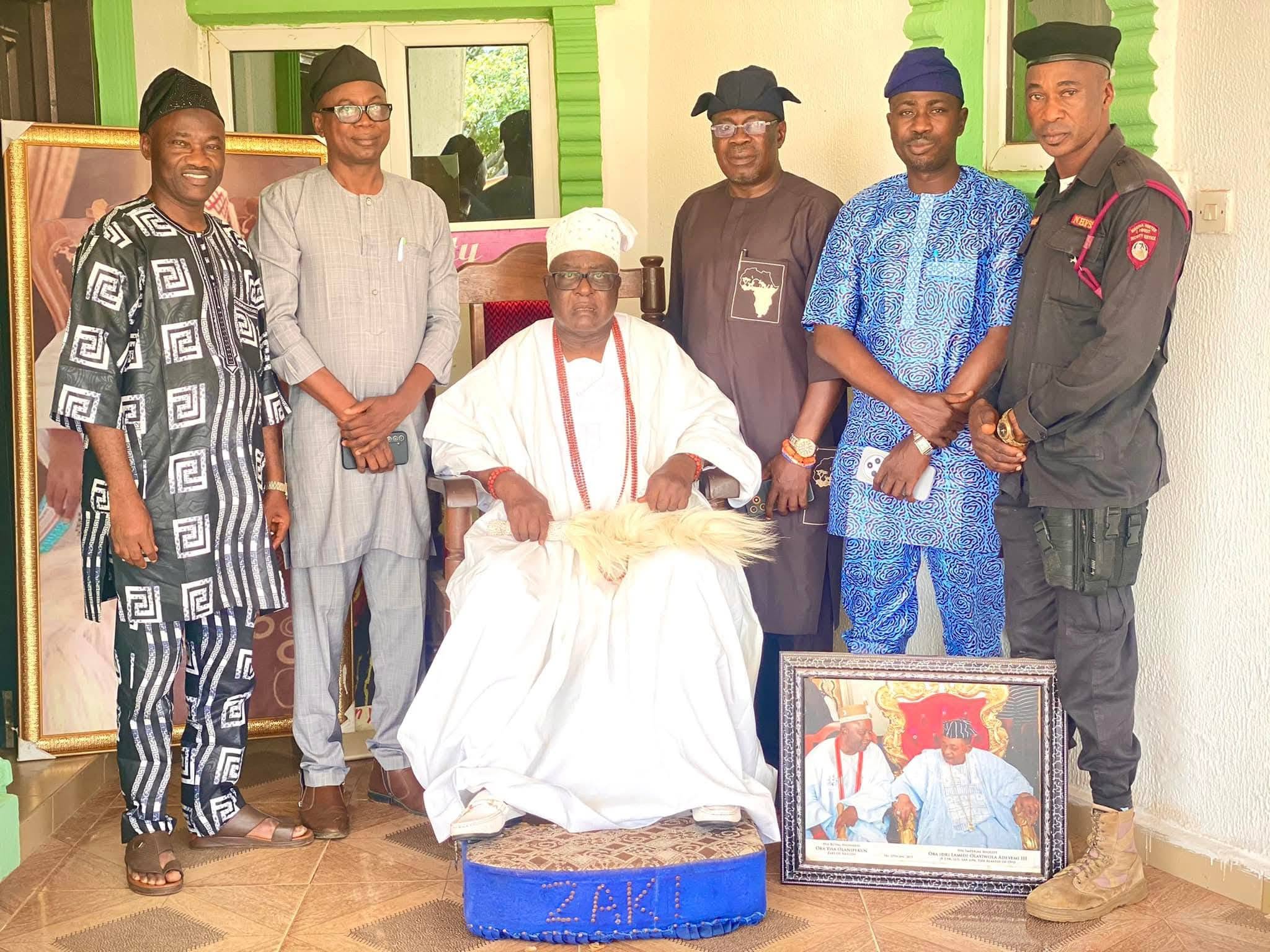
The people of Arigidi-Akoko in Ondo State have called on the Ondo State Government to give proper recognition to the Olumo of Arigidi-Akoko as the traditional ruler of the town.
Specifically, the community said the recognition accorded the Zaki of Arigidi-Akoko was undeserved, claiming that the Olumo is the traditional ruler recognised by the tradition and history of the town.
Going down memory lane, the community, in a statement made available to newsmen, claimed that historical facts and available proof backing the origin of the town lend credence to Olumo as the traditional ruler of the town.
The statement explained that the Zaki of Arigidi-Akoko was not known to the history of the town until the demise of Iba Tasan, who reigned as the Olumo of Arigidi-Akoko in the past.
According to the statement, the demise of Oba Tasan, who was identified in the historical record as the last recognised Olumo of Arigidi in 1932, brought an undue recognition for the title of Zaki in Arigidi-Akoko.
“Before 1932, the historical materials relied upon in this account describe Arigidi as a confederation of seven quarters, each, though with its own traditional head, but above that structure stood the paramount institution of the Olu or Olumo of Arigidi that headed them all, produced by the Imo quarter. The Olumo institution is traced through successive rulers from the founding of Arigidi to Oba Tasan.
Other News
“When Oba Tasan joined his ancestors, history took a turn. Someone ran a race of self-interest over what was the traditional arrangement and, because of the nature of what he did for the people of Arigidi as a liaison officer between the colonial masters and the people of Arigidi, had rewritten history to claim heir apparent.
“Following his death, the Imo/Esi royal interest presented Prince Imoru as the heir, but someone altered history, and the colonial administration had already approved the appointment of Asunmo Olanipekun.
“A petition which was supported by then recognised chiefs of Arigidi-Akoko was made contemporaneously to the Colonial Resident in Akure, and the response of 5 August 1932 acknowledged the petition but declined to alter the decision that had been made earlier in favour of Asunmo Olanipekun. Thus began a historical transition whose consequences have extended far beyond 1932.
“As the years passed, the traditional landscape of Arigidi developed further. The Zaki institution subsequently acquired formal administrative recognition, with Chieftaincy Declarations made in respect of the Zaki stool.
“But the emergence and formalisation of the Zaki institution did not necessarily answer the older historical question. The central issue remains whether the recognition of a latter institution necessarily meant the extinction of the pre-existing Olumo institution,” the statement added.