Follow Us on Google
By Lawrence Agbo
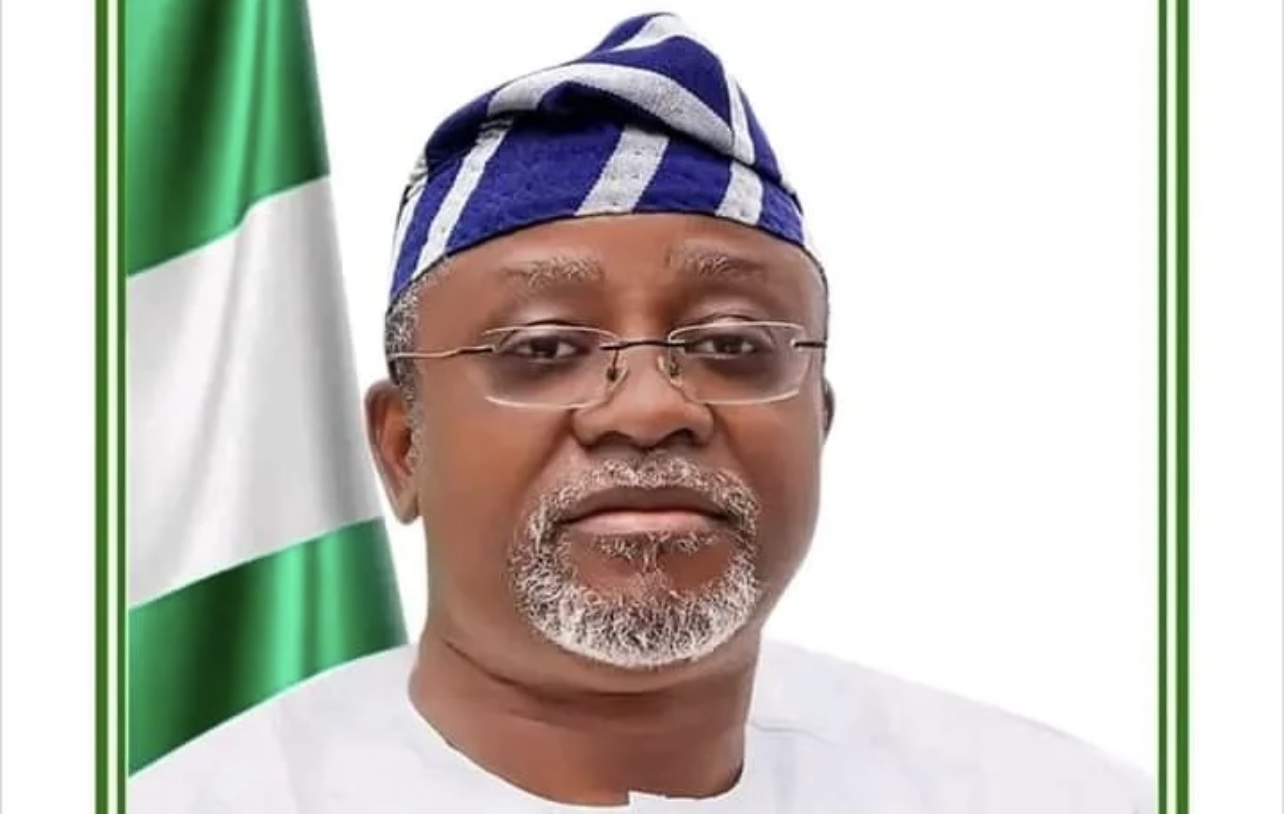
A chieftain of the All Progressives Congress (APC) and Executive Secretary of the National Institute for Cultural Orientation (NICO), Abiodun Ajiboye, has defended the reform agenda of President Bola Tinubu, arguing that the administration is tackling longstanding structural problems that previous governments failed to address.
Speaking during an interview on ARISE NEWS on Tuesday, Ajiboye said many of Nigeria’s current challenges predate the Tinubu administration and are the result of decades of poor planning, weak leadership, and abandoned development initiatives.
According to him, the President’s policies are focused on correcting years of neglect, particularly in infrastructure development, which he described as critical to economic growth and job creation.
“The situation of Nigeria is like a country that has existed since 1960 and had no direction. In terms of infrastructure, we didn’t have any direction. Some of the infrastructure that Asiwaju Bola Ahmed Tinubu is doing now had been in 1960 and some in the 1983 development plans that subsequent governments were not touching,” he said.
Ajiboye maintained that while many Nigerians are concerned about the cost of living and economic hardship, it is unrealistic to expect decades-old problems to disappear within a short period. He argued that the reforms being implemented require time before their full impact can be felt.
He further blamed successive administrations since independence for failing to build a sustainable national framework capable of addressing poverty, unemployment, and infrastructure deficits.
Other News
“I want to say again that the problems we are facing in Nigeria are problems we’ve had from the beginning. Leadership has failed considerably to address fundamental issues. Leadership of Nigeria since 1960 did not attempt and intend to build a proper society,” he stated.
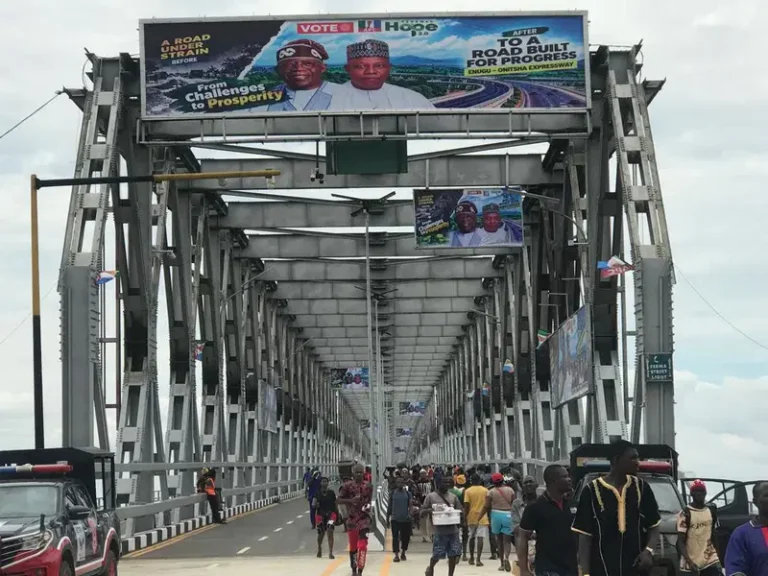
The APC chieftain highlighted major infrastructure projects, including the Lagos-Calabar Coastal Highway and other road networks across the country, saying they are designed to stimulate economic activities and create employment opportunities.
“The infrastructure being built today—from Lagos to Calabar, Badagry to Sokoto—these are the things that will generate employment. These are the things that will stimulate the economy,” he added.
Responding to criticisms of the APC’s record in government, Ajiboye said assessments of the administration should take into account broader economic realities. He pointed to increases in foreign reserves, higher federal allocations to states, and expanded development funding as indicators of progress.
He also defended government borrowing, describing it as a standard tool of governance when used to finance development and economic expansion.
On security, Ajiboye argued that Nigeria’s challenges are influenced by instability across parts of West Africa. He linked the rise in insurgent activities to changing geopolitical realities in neighbouring countries and said Nigerian security agencies continue to respond to emerging threats.
While acknowledging the scale of the security challenge, he stressed that both local and international cooperation remain essential to combating terrorism and restoring stability across the region.