Follow Us on Google
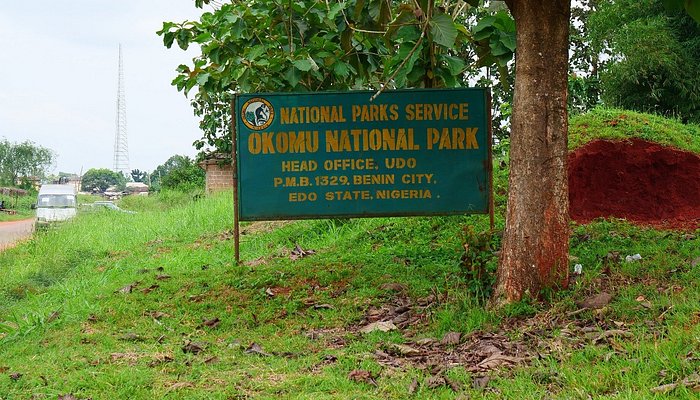
The Africa Nature Investors (ANI) Foundation, in partnership with the National Park Service (NPS), has commenced a major forest restoration initiative at Okomu National Park in Edo State.
The initiative, carried out under the FAO–GEF 7 Biodiversity Project, is targeted at restoring degraded farmlands within the park and returning them to indigenous rainforest.
The areas being replanted were old farmlands cleared from the expansive park decades ago and converted to agricultural use.
ANI Foundation Project Manager at Okomu National Park, Peter Abanyam, said the restoration marked a major step towards restoring the park to its former glory.
He said Okomu National Park had faced serious threats from commercial logging and farm encroachment, prompting ANI’s initial focus on strengthening law enforcement through the recruitment of rangers from surrounding communities.
“As you may have already known, Okomu National Park had faced serious threats from commercial logging and farm encroachment in the past. The first approach of ANI in Okomu was to improve law enforcement, recruiting rangers from surrounding communities to protect the park.
“This phase of planting trees is a massive step towards bringing back the glory of Okomu National Park,” Abanyam stated.
Speaking at the event, the Conservator of Park, CP Amos Hamman, commended the Conservator-General of the NPS, Dr Ibrahim Goni, and ANI for the steps taken to commence the restoration of Okomu Park. He also called on farmers to become the first defenders of the newly planted trees.
The Monitoring and Evaluation Officer of the FAO/GEF7 Project, ACP Usman Kimbian, described the restoration as long overdue, given the length of time discussions on the initiative had lasted.
Kimbian said he was pleased that ANI was now leading the process of moving from discussions to concrete action.
The restoration is expected to gradually rebuild the forest canopy and provide habitat for wildlife, including Okomu’s population of African forest elephants.
The project is also aimed at reconnecting fragmented habitats needed by wildlife for movement, feeding and breeding, while improving the park’s resilience to climate change.
The growing trees will also serve as long-term carbon stores, making the restoration effort relevant to Nigeria’s wider environmental and biodiversity commitments.
Okomu National Park is regarded as one of Nigeria’s important biodiversity areas, and conservationists say restoring degraded sections of the park will help protect its wildlife, support surrounding communities and preserve the rainforest for future generations.