Follow Us on Google
From Tony Osauzo, Benin
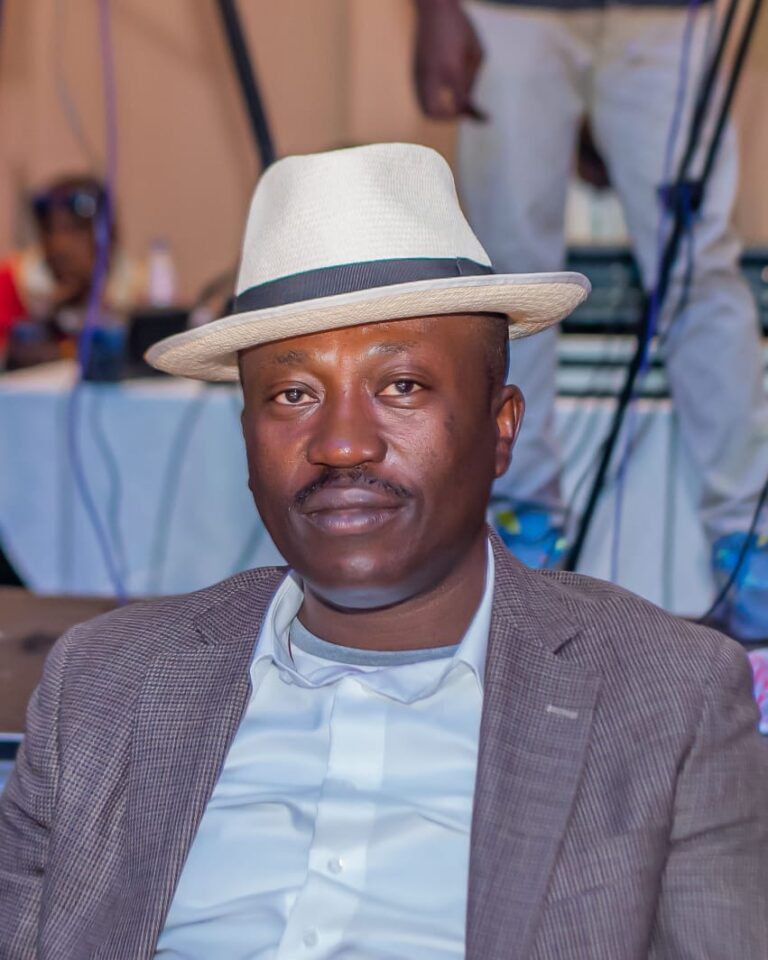
Chieftain of the All Progressives Congress (APC) in Edo State, Mr. John Mayaki, has called on former governor Godwin Obaseki’s media aide, Mr. Crusoe Osagie, to retract and tender an unreserved apology over remarks he allegedly made during a live interview on CTNaija, an online platform.
Mayaki said Osagie, during the programme, referred to some APC leaders as criminals and mentioned specific names, a development he described as disturbing and capable of undermining responsible public discourse.
Mayaki said the demand for a retraction and apology became necessary to discourage the increasing trend of cyberbullying, online harassment, libel, defamation of character and other related offences on digital platforms.
He noted that while freedom of expression remains a constitutionally guaranteed right, it does not confer a licence on individuals to make damaging allegations against others without credible evidence.
He said Nigerians, especially political actors and social media commentators, must exercise caution and responsibility in their use of digital platforms when discussing public affairs, political issues and the character of fellow citizens.
“Freedom of speech comes with responsibility. Individuals who make allegations, particularly allegations of criminal conduct against identifiable persons, should be prepared to substantiate such claims with verifiable evidence.”
Other News
Mayaki warned that the growing practice of using social media and online platforms to attack, intimidate, harass or malign perceived opponents could expose offenders to legal consequences.
He observed that many users erroneously assume that statements made online are beyond the reach of the law, stressing that Nigerian laws provide remedies for victims of defamatory publications and other forms of online misconduct.
He said false statements which are capable of injuring the reputation of another person may give rise to civil actions for libel and defamation, while certain online conduct may also attract liability under relevant laws dealing with cybercrime, harassment and related offences.
He further stated that accusations of criminality are serious matters that should not be made recklessly or without proof and urged social media users to verify information before publication and avoid spreading unsubstantiated claims capable of damaging the reputation of others.
He also cautioned members of the public against blaming law enforcement agencies or the judiciary when legal action is taken against individuals found to have violated applicable laws through their online activities.
“Those who engage in cyberbullying, harassment, defamation or other unlawful acts online should be prepared to answer for their conduct through the due process of law. No one should run foul of the law and later accuse law enforcement agencies or the judiciary of persecution when called upon to account for their actions,” he said.
He maintained that social media remains a powerful tool for civic engagement and democratic participation but insisted that its use must be guided by responsibility, respect for the rights and reputation of others and strict adherence to the rule of law, adding that the incident should serve as a reminder that public debate, political engagement and criticism could be conducted vigorously without resorting to personal attacks, unverified allegations or conduct capable of infringing on the rights of others.