Follow Us on Google
From Taiwo Oluwadare, Ibadan
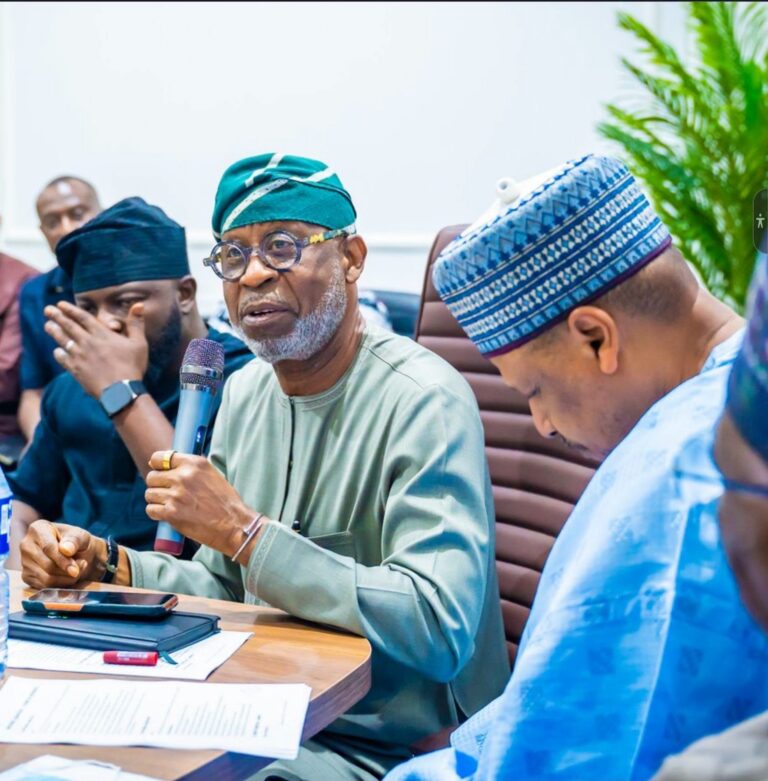
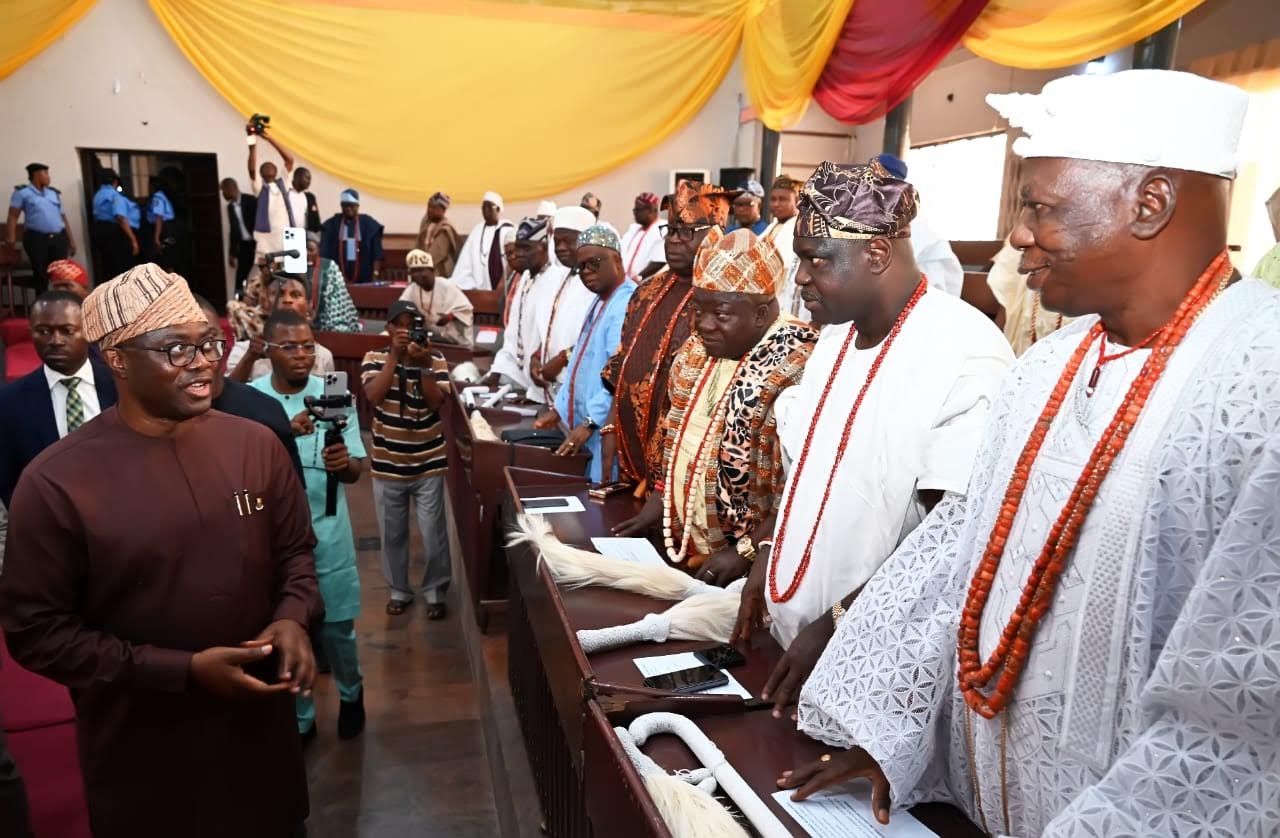
Oyo State Governor Seyi Makinde, on Thursday, inaugurated the Oyo State Council of Obas and Chiefs, reviving the statutory body that had been inactive since 2011, with the Olubadan of Ibadanland, His Imperial Majesty, Oba Rashidi Ladoja, installed as its chairman. The Alaafin of Oyo, Oba Akeem Owoade, was absent at the ceremony.
The inauguration followed the passage of the Oyo State Council of Obas and Chiefs (Further Amendments) Bill, 2025, by the Oyo State House of Assembly and its subsequent signing into law by the governor.
Under the amended law, Clause 5 of Section 28 of the Chieftaincy Law was revised to provide for a rotational chairmanship of the council among the Alaafin of Oyo, the Soun of Ogbomoso and the Olubadan of Ibadanland.
Governor Makinde said the decision to commence the rotation with the Olubadan was reached after extensive consultations with the three foremost traditional rulers in the state. “I consulted the Alaafin of Oyo, the Olubadan of Ibadanland and the Soun of Ogbomoso, and the agreement we reached is that the rotation will start with the Kabiyesi, Olubadan of Ibadanland,” the governor said.
According to him, Oba Ladoja will serve as chairman of the council for two years before the position rotates to one of the other two monarchs. Makinde noted that the prolonged absence of the council had deprived traditional rulers of certain statutory benefits and an organised platform to engage the state government. He said the inauguration restored the council’s authority to formally interface with government and make legitimate demands.
“With the inauguration of this council, our traditional rulers can now speak with one voice and engage the government as provided by law,” he said. The governor also assured the monarchs of the state government’s support, promising that the renovation of the House of Chiefs, where the council holds its meetings, would commence once a formal request is submitted.
While acknowledging that the amended law might not be flawless, Makinde said it remains open to future review. “The law may not be perfect. If realities down the line show that amendments are necessary and there is consensus, the House of Assembly is there to do its job,” he added.
Earlier, in his welcome address, the Commissioner for Local Government and Chieftaincy Matters, Chief Ademola Ojo, described the inauguration as a reaffirmation of the relevance of traditional institutions as custodians of culture, values and communal harmony. Ojo said the council would serve as a critical advisory body to the government, promoting peace, resolving conflicts, preserving cultural heritage and contributing to policy formulation and grassroots development through the collective wisdom and experience of traditional rulers.
Speaking with journalists after the event, the chairman of the council, Oba Rashidi Ladoja, expressed appreciation to Governor Makinde for restoring the council after years of inactivity. “I want to thank the Executive Governor of Oyo State for working so hard to get this council back into service. Even though he said it is not an achievement, I say it is,” Ladoja said.
He recalled that the last meeting of the council took place during the early years of the late former governor, Abiola Ajimobi, before internal disputes stalled its activities. “The governor has shown that through consultation, we can achieve more. We are closer to the people, and they trust us because we are not partisan and not seeking votes,” the Olubadan said.
He added that traditional rulers were committed to ensuring safety, development and improved living conditions in their domains, including access to education, electricity, water and good roads.
The event was attended by the Deputy Governor, Barrister Bayo Lawal; former Deputy Governor, Engr. Hamid Gbadamosi; the Speaker of the Oyo State House of Assembly, Rt Hon. Adebo Ogundoyin, represented by the Deputy Speaker, Rt Hon. Mohammed Fadeyi; the Chief Judge of Oyo State, Hon. Justice Iyabo Yerima; and several other top government officials and stakeholders.