Follow Us on Google

By Josfyn Uba
Culture is the heartbeat of any society, an enduring thread connecting generations past to the possibilities of tomorrow. For the Anioma people of Delta State, traditions such as the revered Akwa Ocha textile and age-old community festivals serve as powerful anchors of identity in a rapidly modernizing world.
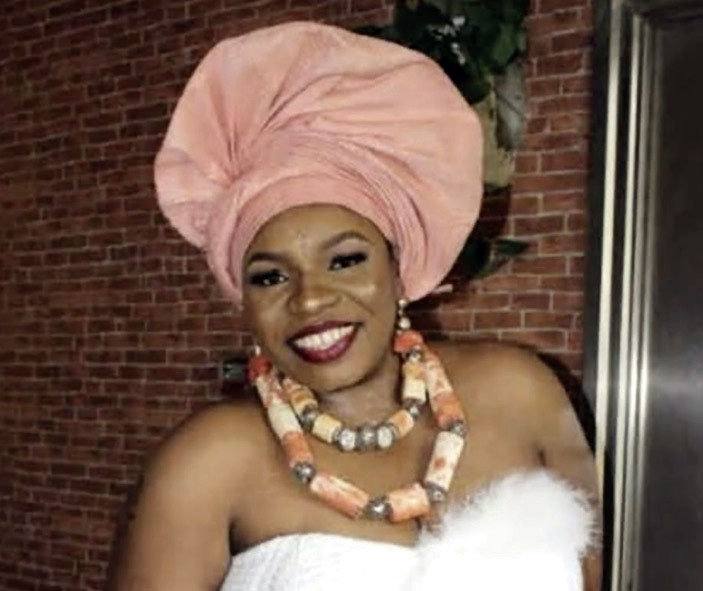
In this interview, Daily Sun engaged Anthonia Oguah—an ex staff of the Nigerian National Petroleum Corporation (NNPC) whose passion for heritage led her into a vibrant act as a cultural enthusiast and promoter. As the founder of Akwa Ocha, an initiative dedicated to the upliftment and global appreciation of Anioma cultural heritage, Oguah shares her journey from the corporate environment to the front lines of cultural preservation, the socio-economic power of indigenous arts, and her vision for passing the torch to the younger generation.
What inspired your profound transition into full-scale cultural advocacy and the preservation of Anioma heritage?
By my nature I am a gifted and talented person from my antecedents over the years. I was also a very inquisitive person as a teenager. I asked both my parents and people around me a lot of questions on anything that concerns culture and traditions of people, just wanting to know why certain dresses (costumes) were used / seen on some people instead of everyone wearing it . Somehow, along my adult life, I found myself more involved in creative works like dressing up in traditional outfits within the locality and environment that I reside, so to answer your question on what inspired me, it is my love for fashion firstly then my concerns and desire to showcase my traditional attire which is the Akwa-ocha, which was rarely known to Nigerian’s that further inspired my cultural advocacy to attract awareness of the people of Anioma region
There was a lacuna that existed in Anioma peoples identity before my advocacy started. It was sad searching through the Internet but couldn’t find much about Anioma as it was not talked about both in culture, festivals and dressings. I took it upon myself to introduce my region Anioma (Then referred to as Delta Igbo people by other Nigerian’s) proudly to my Internet friends by asking them if they knew where I come from. The day I revealed where I am from also sparked off the identity of many people from Anioma as they flooded my profile to identify with me. This was the beginning of my journey actually into my curiosity and desire to create awareness about Ndi Anioma socially on the Internet. My defining moment came after that and it metamorphosed into the Akwa-ocha awareness. This is how I started promoting Akwa-ocha publicly using myself as a model to attract admiration and curiosity.
What does Akwa Ocha mean to the Anioma identity, and how is your initiative transforming its narrative?
Akwa Ocha literally means to “white cloth. It is much more than traditional attire; it is the ultimate symbol of purity, prestige, royalty, and identity for the Anioma people. When an Anioma person wears Akwa Ocha, she is wearing history, dignity, and craftsmanship handed down through centuries.Akwa-ocha means cultural identity and heritage of the people Anioma
Through the Akwa Ocha initiative, our goal is twofold: preservation and economic empowerment. We are working to elevate Akwa Ocha from just ceremonial wear worn during chieftaincy titles or traditional marriages into a globally recognized fashion staple. We are collaborating with local weavers mostly women to improve quality standards, modernize designs without losing authenticity, and create sustainable market access. By doing this, we are preserving our heritage while providing a viable livelihood for local artisans, proving that culture and commerce can thrive hand in hand.
My initiative has helped tremendously to transform the attitude of our people who were shy and careless about their cultural or native attire so to speak. My advocacy has helped to break the silence of identity as there’s a global awareness currently and massively about Akwa-ocha. And it is all through the Akwa ocha cultural fashion show Everyone is craving appearance in Akwa-ocha these days for it’s uniqueness and cultural identification.
In an era where globalization and digital media heavily influence the younger generation, how do you think we can successfully interest youth in traditional African arts and cultural preservation?
We cannot fight globalization by shouting at our youth to stay away from foreign trends; we must make our culture cool, relevant, and accessible on the platforms they already use. That is why digitization and creative storytelling are critical.
We need young filmmakers telling Anioma folktales through modern cinema, young fashion designers blending Akwa Ocha with contemporary street wear, and digital content creators documenting local festivals on TikTok, Instagram, and YouTube. At our festivals and through our initiatives, we intentionally involve the youth not just as spectators, but as active drivers. When they take ownership of their culture, preservation happens naturally.
What do you think is responsible for the death of the weavers in our locality so much so that the younger generation are not significantly involved in the weaving of Akwa Ocha?
Weavers are dying and reducing due to age and lack of patronage. Again, I think it is due to lack of interest by the younger generation in the weaving business of Akwa-ocha. Before now, it was largely due to lack of commercial value and skeletal purchase in volume but all that has changed. Many people are motivated and crave to trade in the Akwa Ocha business due to the increased awareness and patronage of Akwa-ocha by both Enuani, Anioma and Eastern brothers and sisters. In fact, everyone wants to wear it. It is so glamorous and you can make any style from it. We are proud of our heritage in that regard.
What limitations are there for you in terms of advocating for our Anioma cultural heritage in the face of religious exposition?
I am not sure we have any limitations on our cultural heritage because of religion in future. This is because the two systems are basically the same but operates differently. As long as rituals of blood and killings are not involved in our cultural heritage, there will always be those who will maintain our heritage, side by side the western religion There’s no threat among the two systems, they will continue to exist . Our cultural heritage is our identity and root which gives us exclusivity/ ownership unlike the religious system which is not completely hereditary
What gaps were you hoping to fill when you established the Ogwashi Uku cultural festival, and how has the community reception been?
I wanted to unify the community which was at that time docile and inactive due to the long kingship tussle that affected the once thriving unity and brotherhood of the community and it worked out perfectly as envisaged The community embraced the idea completely as it brought back life in the community. It was the respite the community needed to bring them back home on yearly bases and to remind them about home and lastly the booster to encourage development in all sectors of life in the community.The dividends of the carnival are uncountable and visible to the ordinary eyes The Carnival is an attraction that the community and it’s neighbors look forward to yearly during the festive season of Christmas. It helps to unify families and broken ties.
In an era where globalization and digital media heavily influence the younger generation, how do you think we can successfully incorporate the youth in traditional African arts and cultural preservation?.
The youths are the social vessels to pilot our traditions and sustain our cultural values and heritage to prevent it from extinction and to achieve this, there is need for communities to keep the cultural values thriving more, by opening cultural centers to encourage visibility, by staging festivals that showcases our traditional displays, and cultural activities also by teaching the youngsters through seminars and conferences about our tradition and how it works. Lastly, youths who are contributing their efforts to promote our culture should be rewarded through awards to inspire them more It is sad that there is no teachings of culture and traditions and heritage in our educational curriculum, it would have had a great impact with no fears of extinction on our minds.
Why do you think that people are cultural disconnected today?
This is mostly the fault of parents in most cases. No parental guidance these days. The decadence of the society have also contributed to the decline in cultural activities, cultural love and participation and religious beliefs. Additionally, the harsh economic condition in the country is a contributing factor. These days, only few are able to travel to the rural areas to indulge or watch cultural events.
Insecurity, banditry and endless kidnapping have made it impossible for people to visit home to watch cultural displays which would have helped to sensitize the minds of youth to love cultural ceremonies . Lastly, the infiltration or fusion of religion in our daily lives is equally affecting traditional and cultural love in our communities and ceremonies However, I am optimistic our culture will continue to thrive because it is the fundamental structure that reminds us of who we are and where we come from. Marcus Garvey said “that a people without the knowledge of their past history, origin and culture is like a tree without roots”
Should our cultural revival revolve only around our clothes and dress code?
Our cultural revival should not revolve only on our ethic attire’s. Cultural revival is beyond clothes. It includes;Moral values of our community. This includes what is tolerated in our community. Social values of our people. And also not limited to parental upbringing, our foods, etc. Our heritage includes our traditional beliefs, the way we treat strangers, the way we honour the dead, the way we marry and maintain marriages, the way we behave in public. Generally, it is our way of life. To revive our culture is as good as going back to our way of life.
What do you make of the alienation of our mother tongue and what happens to us if our next generation is completely cut off from their mother tongue?
It’s a critical issue The sad situation is that most Gen Z, Gen Alpha and the millennial etc are lost in their ability to speak their native language. Anioma is the worst hit because that is my roots and I can speak on it since I am affected one way or the other through my younger nieces, nephews etc. I am afraid about the consequences. I think the situation should be arrested now before the older generation is completely gone.There’s need for cultural revival as quickly as possible through seminar. conferences, museum centers built to display our cultural artifacts and rewards for organized cultural events. Anything that will help to sustain our culture, traditions and language must be encouraged to maintain sustainability
It is the responsibility of parents and society to shape a child’s background. Where do you place the blame for our loss in cultural orientation?
I blame parents in terms of the loss of cultural orientation because once the foundation is not laid properly a child will never be able on his or her own to understand completely what obtains in his or her community. Although, he or she may learn somethings through friends or nowadays through the Internet, the best tutorial begins from home.
Apart from individual efforts like yours and NGO’s, what should the government, schools and parents do now, as a matter of urgency to redeem the situation?
I feel government has a bigger role to play in order to help revive our decaying culture. This can be done by establishing cultural centers that will document cultural information from all tribes and communities and serve as the best point of studies for cultural knowledge They can also reward existing NGO’s that her helping to sustain cultural ties in communities, by so doing, the interest in cultural activities will increase widely in the interest of generation unborn.
Once government is seen participating more in cultural activities the information will increase interest and documentation. Government should also revive some of the dilapidated cultural centers that still has our countries history. Our schools from tertiary to university most include in their curriculum cultural language day, cultural debate society, cultural interactions day with parents and cultural schools exchange programs where schools in a particular location will learn how to speak the language of that location as a means of communication in that area. As part of parenting duties, parents must take up the challenge of teaching their children first their mother tongue and values of home training before the age of five years before enrolling into schools properly. Parents must embrace the culture of speaking their mother tongue to their children everyday so that they the children will get used to the mother tongue proudly as a way of life.
What is your ultimate vision for the Akwa Ocha revival and Anioma culture on the global stage?
My vision for Akwa-ocha is to create global awareness about the Akwa-ocha fabric for the fashion industry which is one of the biggest revenue generation industries in the world We look forward to seeing Akwa-ocha on the international fashion runways. However, we must first, be able to attract sales patronage and usage from the Nigerian celebrities who are the front liners of fashion in Nigeria. Once this dream is accomplished then, we would have conquered the home front ahead of international patronage and usage as well. Once Akwa-ocha is recognized and accepted in the global fashion industry, and used by fashion designers and celebrities worldwide, then our weavers will start earning Big through exportation thereby creating a robust revenue base for Anioma weavers/ people and generations unborn beyond oil. The Akwa-ocha is an acceptable fabric both locally and internationally will boost the revival of Anioma culture on the global stage.