Follow Us on Google
From Shafa’atu Suleiman, Sokoto
The Sokoto State Government has identified digital literacy training for religious clerics as a critical peacebuilding and security intervention aimed at curbing misinformation, countering extremist narratives, and preventing the escalation of communal tensions.
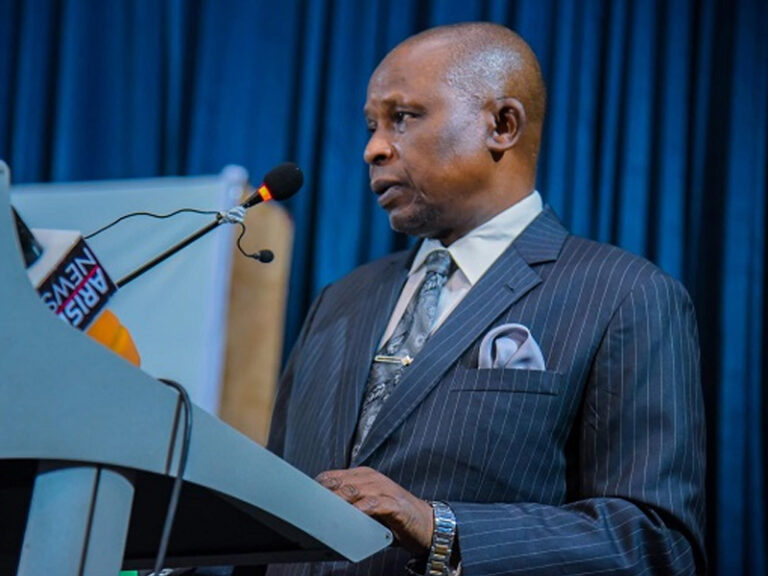
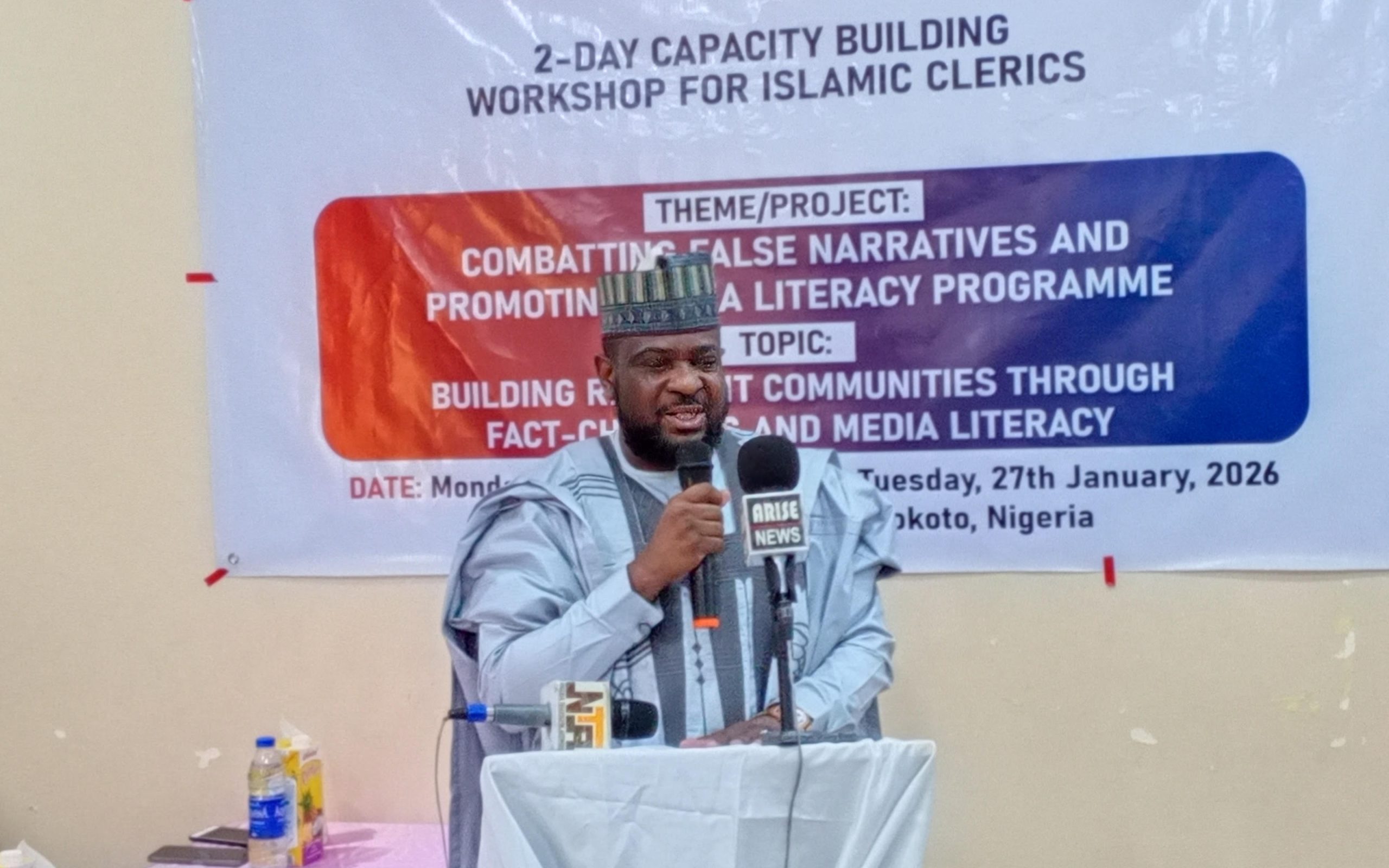
The state’s Commissioner for Religious Affairs, Dr Jabir Mai Hula, stated this at a two-day workshop on “Combatting False Narratives and Promoting Media Literacy”, organised by Alkalanci in collaboration with the Ministry of Religious Affairs.
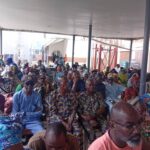
The workshop brought together Islamic scholars from Sokoto State and neighbouring Niger Republic, who were trained on identifying AI-driven misinformation.
Mai Hula warned that the increasing use of artificial intelligence, deepfake videos and manipulated audio messages has created new security risks, especially in fragile and polarised societies where false information can easily trigger unrest.
“Misinformation today is no longer accidental. It is deliberate, engineered and often designed to provoke fear, hatred and violence. When religious leaders are not equipped to recognise these tactics, they can unknowingly become conduits for instability.”
He explained that the training was designed as a preventive security measure, equipping clerics with the tools to interrogate digital content, challenge harmful narratives and guide their followers toward peaceful interpretation and coexistence.
“Peacebuilding begins with knowledge. When clerics understand how false narratives are manufactured and weaponised, they are better positioned to counter radicalisation, reduce tensions and protect their communities from manipulation.”
Other News
Also speaking, the Commissioner for Innovation and Digital Economy, Bashar Umar Kwabo, said the training responds to the growing security implications of social media misuse and AI-enabled deception, which have increasingly been exploited to inflame religious and ethnic divisions.
“In a highly polarised society like Nigeria, digital misinformation has the potential to set communities against one another. This programme is a strategic response to that threat. Its ultimate goal is to unite Nigerians, not further polarise them,” he said.
Kwabo noted that artificial intelligence has made fake content more realistic and convincing, warning that respected clerics could be targeted precisely because of their credibility and influence.
“Our clerics command trust at the grassroots level. What they say carries weight and can either calm tensions or inflame them. By training them, we are strengthening a frontline defence against conflict and misinformation,” he explained.
He added that the state government has intensified efforts to reduce digital-related security risks through public sensitisation, media literacy campaigns and regulatory frameworks addressing cyberbullying, cyberstalking and online incitement.
According to him, early indicators show a reduction in digital-related abuses across the state since the introduction of targeted awareness programmes.
The organisers said the Sokoto workshop builds on a similar initiative previously held in Kano and forms part of a broader strategy to integrate religious leaders into peacebuilding, counter-extremism and conflict-prevention efforts across northern Nigeria.