Follow Us on Google

Journalists and media stakeholders have raised the alarm over the growing use of artificial intelligence (AI) to produce fabricated election results, deepfake videos and manipulated audio ahead of Nigeria’s 2027 general elections.
They warned that the speed at which misinformation and disinformation spread through social media platforms could undermine credible journalism and make it increasingly difficult for citizens to distinguish verified information from fabricated content.
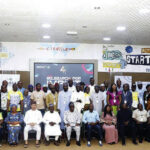
The warning formed part of the communique issued at the 8th Bagauda Kaltho Media Lecture Series, organised by the Africa Media Development Foundation (AMDF), in commemoration of the posthumous birthday of investigative journalist Bagauda Kaltho.
The communique, signed by Titus Usman, Publisher, Jewel Treasure Newspaper, Gombe, and Sekyen Dadik, Executive Director, AMDF, Kaduna, noted that the digital transformation of the media industry had disrupted traditional media business models, resulting in economic pressures, underpaid journalists and weakened media institutions.
Themed “Courageous Journalism, Press Freedom and the Challenge of Election Misinformation Ahead of Nigeria’s 2027 General Elections”, the lecture featured a keynote address by the Publisher and Chief Executive Officer of Premium Times, Mr Dapo Olorunyomi.
It also observed that the 2027 elections would present significant challenges for journalists, particularly with the increasing deployment of AI to create deceptive content, including fake election results, deepfake videos and manipulated audio.
According to the participants, misinformation and disinformation often travel faster on social media than professional journalists and fact-checkers can respond, making verification an increasingly important responsibility for newsrooms.
The lecture further noted that journalists continued to face legal and institutional challenges, including concerns over the application of the Cybercrimes Act and the continued existence of outdated laws capable of restricting journalistic freedom.
It stressed that journalism remained central to Nigeria’s democratic development, recalling the historic role of the profession in the struggle for independence, defence of democratic values and resistance to military rule.
The participants also highlighted the legacy of journalists such as Bagauda Kaltho, saying his example demonstrated the importance of courage, investigative journalism and professional commitment in holding those in power accountable.
Other News
The lecture therefore called on journalists and media organisations to strengthen professional and ethical standards, particularly in the use and verification of digital and AI-generated content.
It urged media organisations to invest in continuous training in fact-checking, digital verification, artificial intelligence and investigative journalism, while developing stronger newsroom systems for detecting and responding to misinformation before and during elections.
The stakeholders also called on government and public institutions to support credible fact-checking and verification mechanisms, strengthen constructive engagement between security agencies and the media, and review outdated laws considered restrictive to press freedom.
Technology companies and digital platforms were urged to work with journalists, civil society and government institutions to address harmful disinformation and support mechanisms for identifying manipulated, synthetic and AI-generated content.
The lecture also advocated greater media literacy and critical thinking at the community level, urging citizens to pause, question and verify information before sharing it, particularly during election periods.
It called for media-literacy initiatives to be expanded through schools, communities, religious organisations and other social institutions.
The lecture further stressed the need for a multi-stakeholder response involving journalists, media organisations, government institutions, technology companies, civil society, educators and citizens to strengthen Nigeria’s information environment ahead of the 2027 elections.
It said protecting credible journalism should not be left to journalists alone, adding that citizens must develop the capacity to distinguish verified information from fabricated content while institutions responsible for security, legislation and digital governance should create an environment where legitimate journalism can operate effectively.
The event also recognised the importance of preparing young journalists for the changing media environment, citing the CJID Campus Journalism Programme as an example of capacity-building efforts in journalism.