Follow Us on Google

From Noah Ebije, Kaduna
The Centre for Crisis Communication (CCC) has warned that artificial intelligence (AI)-generated fake news, deepfakes and coordinated disinformation campaigns pose growing threats to Nigeria’s national security, public trust and stability, particularly ahead of the 2027 general elections.
The centre called on the Federal Government to establish a functional technological framework to detect and counter false information, while strengthening citizens’ resilience against information manipulation and protecting fundamental rights.
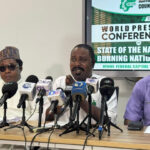
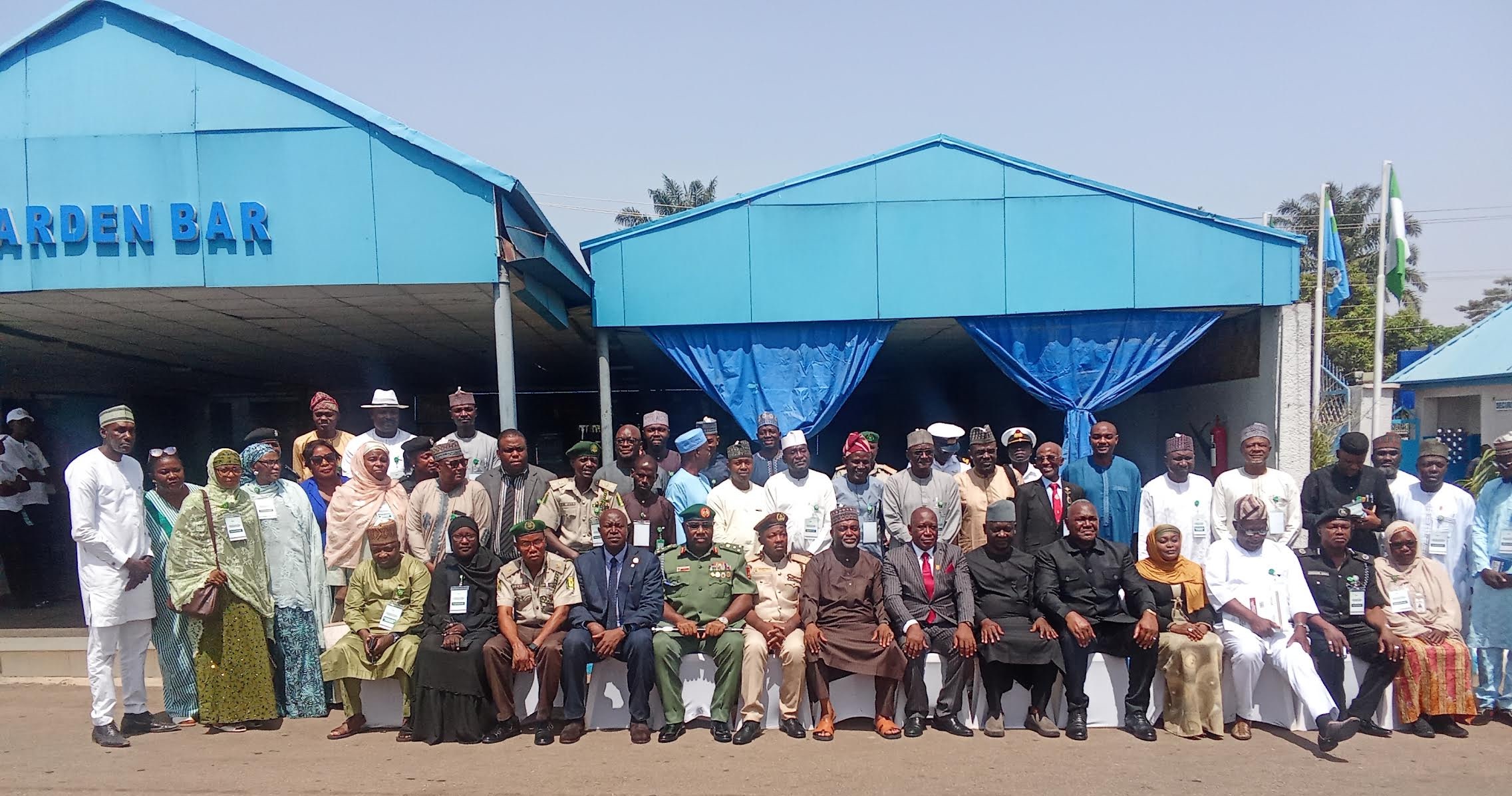
The warning was contained in a communiqué issued at the conclusion of the Second National Symposium on Crisis Communication, held on October 27 and 28 at the Nigerian Air Force Club, Kaduna State.
The communiqué was signed by Commodore Kabir Aliyu (rtd.) of the CCC and Ikramat Umar Muazu of the National Emergency Management Agency (NEMA).
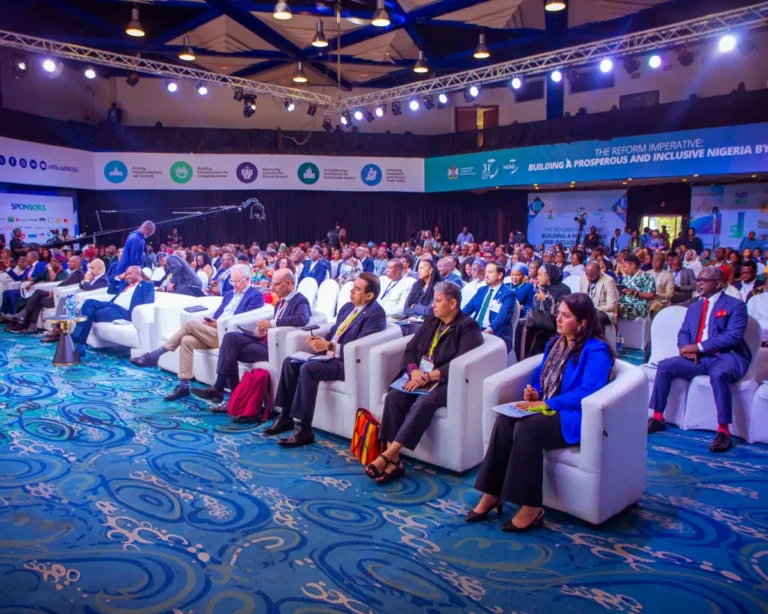
The symposium, themed “Inter-Agency Collaboration, Public Trust and Cyber Threat Management in Crisis Communication”, brought together more than 150 participants from the military, security and intelligence agencies, emergency responders, government institutions, academia, media organisations and other stakeholders.
The participants identified misinformation, disinformation, AI-generated deepfakes and cyber threats as emerging dangers to national stability, warning that the manipulation of information could undermine security operations, create public confusion and erode confidence in government institutions.
They stressed that the growing use of social media and emerging technologies had created new opportunities for rapid public engagement but had also made it necessary to strengthen verification mechanisms, responsible communication and the monitoring of potentially harmful information.
The communiqué noted that false information circulated during emergencies could trigger panic, divert critical resources, endanger lives and undermine public trust. It, therefore, called for coordinated efforts by security agencies, government institutions, media organisations and technology providers to identify and respond to information threats.
The participants recommended that the Federal Government establish an Integrated National Crisis Information Architecture, supported by standard operating procedures and protocols, to harmonise information-sharing and public communication among security agencies and other relevant institutions.
Other News
They also called for a functional technological framework to detect and counter disinformation campaigns, AI-generated deepfakes and other forms of information manipulation, alongside measures to improve public digital literacy and access to reliable information, particularly during emergencies.
The symposium further urged the government to establish appropriate regulatory frameworks for social media and AI applications to safeguard national security while protecting freedom of expression, fundamental rights and due process.
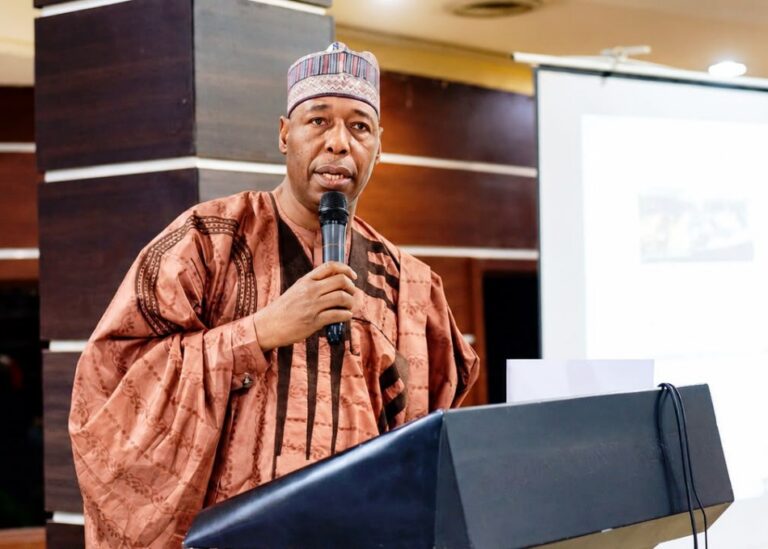
In his welcome address, the Chairman of the CCC, Major General Chris Olukolade (rtd.), emphasised the importance of crisis communication to national security and public safety, particularly as the country approaches the 2027 general elections amid growing concerns over AI-generated deepfakes and information manipulation.
Declaring the symposium open on behalf of Kaduna State Governor Uba Sani, the Commissioner for Information, Ahmed Maiyaki, described misinformation and disinformation as emerging national security threats and advocated sensitisation programmes to educate political actors on responsible communication.
The keynote speaker, the Managing Director of Beacon Security and Innovation Limited, Dr Kabiru Adamu, represented by Samuel Aruwan, highlighted the diverse security challenges across Nigeria’s six geopolitical zones and stressed the need for coordinated communication and effective collaboration among security agencies.
The participants also called on the CCC and relevant stakeholders to organise sensitisation programmes for political actors, journalists and media editors ahead of the 2027 general elections to address information manipulation and promote responsible communication. They urged media organisations and security agencies to strengthen professional cooperation and ensure that public information was accurate and verified.
They further recommended stronger early-warning systems, joint threat monitoring, regular training and secure information-sharing mechanisms, noting that conflicting statements from security agencies could confuse the public and undermine institutional credibility. They stressed that designated spokespersons should have timely access to verified information, subject to operational security requirements.
The symposium noted that effective crisis communication, public trust and inter-agency collaboration were fundamental to Nigeria’s national security and resilience.
The CCC reaffirmed its commitment to strengthening professional capacity, promoting institutional cooperation and working with relevant stakeholders to translate the recommendations into measurable outcomes.