Follow Us on Google
When most people think of HR, they picture large corporations with entire departments devoted to hiring, onboarding, and managing employees.
But in reality, the backbone of the U.S. economy is small and mid-sized businesses. These are the companies with ten, twenty, or fifty employees, the ones often too busy building their product or serving customers to dedicate a team to HR.
Yet their need for smart, efficient HR is just as great as any Fortune 500 company. And this is where artificial intelligence is stepping in, not as a replacement for people, but as a new kind of team member.
Small businesses in the U.S. face unique challenges. They must compete with larger organizations for talent, manage compliance with complex labor laws, and create workplace cultures that retain people in an era of quiet quitting and talent shortages. Most can’t afford a full-time HR director, much less a team. But AI tools are now available that allow even the smallest business to operate with HR intelligence once reserved for major corporations.
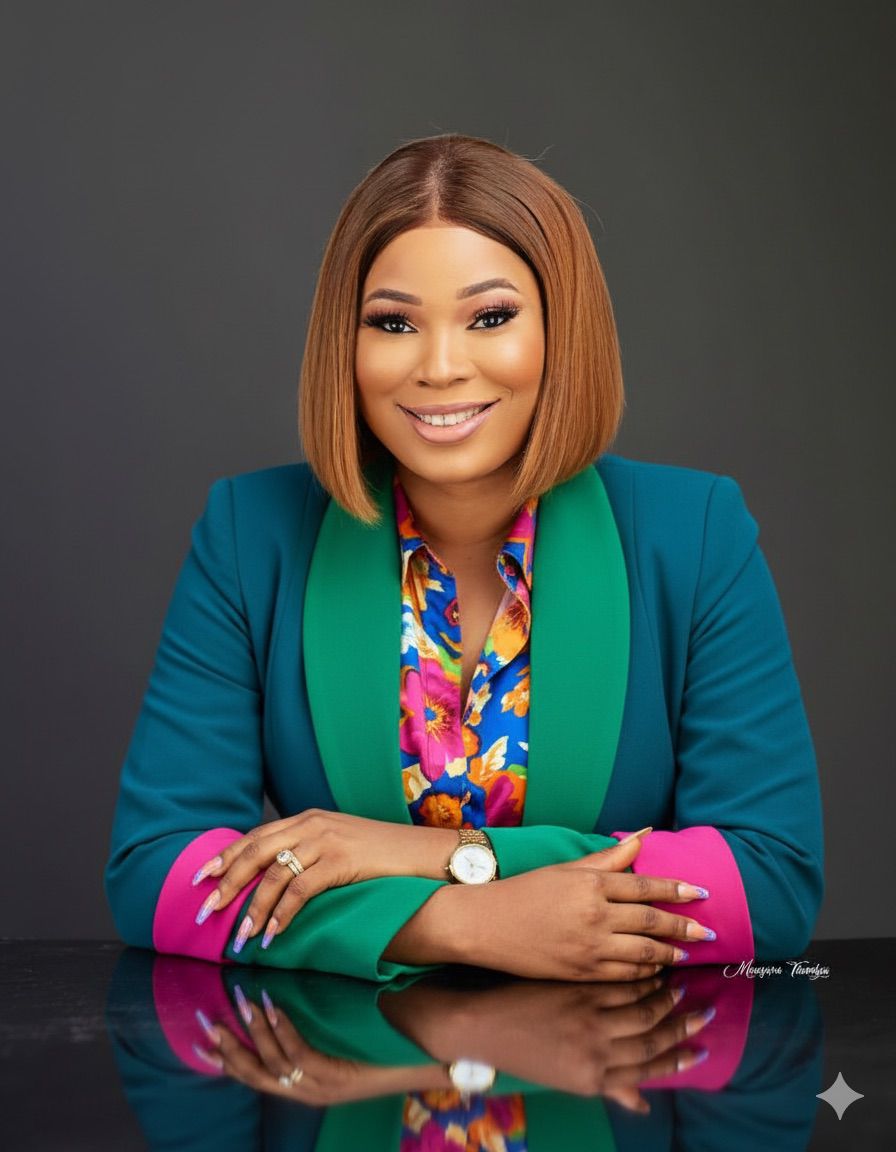
I’ve seen this transformation firsthand through Outnovately AI, the HR-Tech suite I created. A small business owner in Houston can now generate a job description in minutes instead of hours, craft tailored interview questions that go beyond clichés, and even evaluate resumes without hiring an expensive recruitment agency. For businesses strapped for time and resources, these tools are not just nice-to-have; they are survival tools.
AI in HR doesn’t just save time, it levels the playing field. Consider a startup in Dallas competing with a multinational for software engineers. With AI-powered recruitment and candidate screening, that startup can move faster, appear more professional, and make smarter hiring decisions. What once required an HR team and expensive consultants can now be achieved by a founder and a laptop. In an economy where agility is everything, this is a game-changer.
Of course, AI is not perfect. It cannot replace the empathy, judgment, and human intuition that HR professionals bring. But that is not the goal.
The goal is to free people from the repetitive tasks, drafting policies, filtering resumes, generating performance review templates, so they can focus on the human side of human resources. Imagine an office manager who no longer spends hours each month piecing together an employee handbook, because an AI policy generator has done the heavy lifting. Instead, she can spend that time actually listening to employees, resolving conflicts, and building a positive workplace culture. That is what true HR leadership looks like.
The U.S. labor market today is shifting quickly. Remote work has blurred state lines for hiring, and talent shortages mean small businesses can’t afford to waste time on inefficiency. AI offers a way forward, but only if business leaders stop seeing it as futuristic jargon and start embracing it as a practical teammate. In my work with HR professionals and small business owners, I emphasize that AI is not an IT project.
It’s not about “installing” a system. It’s about integrating a partner into the workflow, one that works tirelessly in the background so humans can shine in the foreground.
This isn’t just theory. It’s happening. Small businesses in Texas, California, and across the U.S. are already using AI for HR functions, often without even realizing it. Job boards use AI to match candidates to postings. Payroll software uses AI to flag compliance issues. Even scheduling platforms are built on AI algorithms that optimize workforce management.
The difference now is that these tools are becoming accessible directly to business owners, not hidden behind layers of software vendors.
The question is no longer whether AI will become part of HR in the U.S., but how quickly small businesses will adopt it.
The ones who move first will be more competitive, more efficient, and better able to attract and retain talent. The ones who resist may find themselves left behind in a market where speed and adaptability are everything.
For me, building tools that bring AI to the fingertips of business owners is deeply personal. I know what it means to run lean, to stretch limited resources, and to still want excellence for your team. That’s why I don’t see AI as a threat to HR professionals or small business owners. I see it as an invitation to work smarter, to be bolder, and to finally let technology do the busywork so people can do meaningful work.
The future of HR in America will not be about replacing people with robots. It will be about reimagining what people can do when they are no longer buried under paperwork and processes. For small businesses especially, AI is not just a tool. It is the teammate they didn’t know they could afford. And it’s time they welcomed it to the team.