Follow Us on Google
From Scholastica Hir, Makurdi
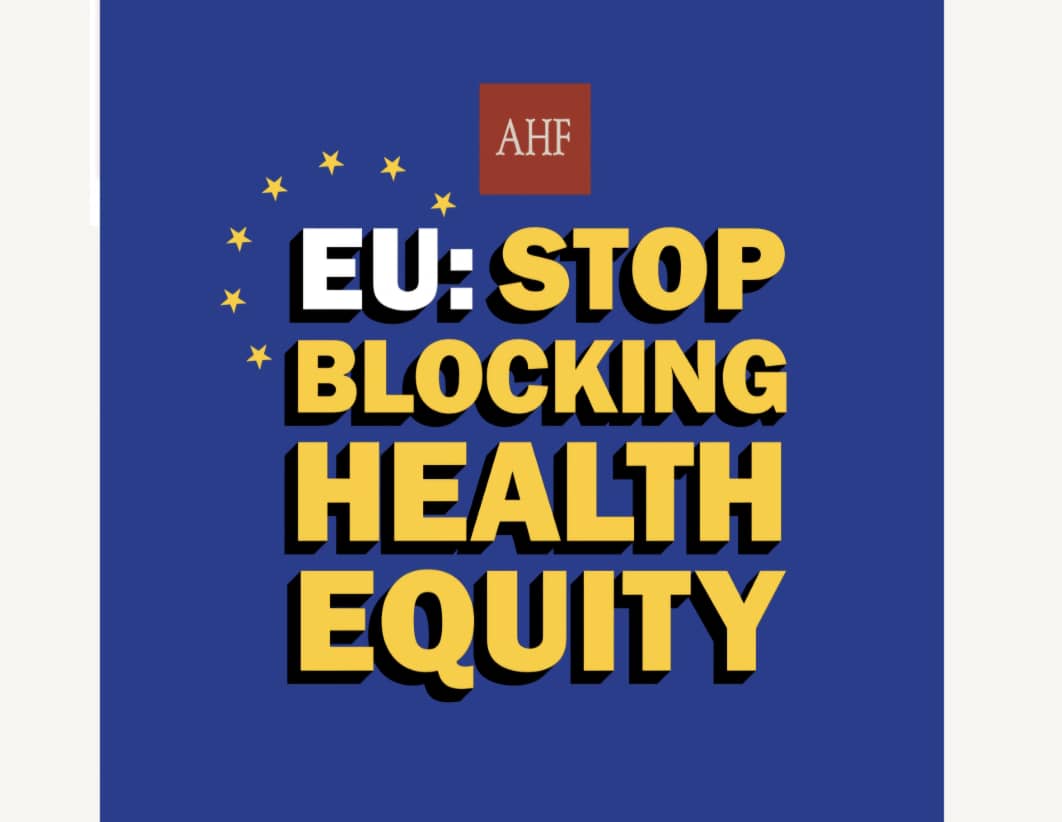
The AIDS Healthcare Foundation (AHF) Nigeria has urged member states of the World Health Organization (WHO) to finalize a strong and legally binding Pathogen Access and Benefit-Sharing (PABS) Annex ahead of the resumed sixth meeting of the Intergovernmental Working Group scheduled to hold in Geneva from April 27 to May 1.
AHF Nigeria made the call as negotiations resume on the annex, considered a critical component of the WHO Pandemic Agreement adopted in May 2025.
The organization, in a statement issued to newsmen by the Senior Advocacy and Marketing Manager, Steve Aborisade, the agreement cannot move forward without the PABS Annex, which will determine how pathogen samples and genetic sequence data are shared globally and how the benefits derived from them, such as vaccines, diagnostics and treatments, are distributed equitably.
The forthcoming negotiations represent the last scheduled opportunity to finalize the annex before the World Health Assembly meets in May. AHF Nigeria, however, warned that several key equity provisions remain unresolved.
The organization noted that without a strong and enforceable framework, the global community risks repeating the inequities witnessed during the COVID-19 pandemic, when many developing countries struggled to access life-saving vaccines and treatments.
According to AHF Nigeria, the outcome of the Geneva negotiations will determine whether future pandemic responses, including Public Health Emergencies of International Concern (PHEIC), are guided by equity and cooperation or marked by delays and unequal access to critical health tools.
The organization stressed that the Pandemic Agreement must not proceed without a binding PABS Annex that guarantees enforceable benefit-sharing during pandemics, public health emergencies and even in periods between outbreaks when preparedness efforts continue.
AHF Nigeria also called for mandatory benefit-sharing obligations during emergencies and interpandemic periods saying the obligations should include set-aside percentages of vaccines, diagnostics and treatments, pre-negotiated technology transfer arrangements, annual financial contributions by participating manufacturers and public access to non-commercial outputs.
The group further advocated for standardized contracts negotiated upfront by countries to ensure traceability, accountability and enforceability rather than leaving such arrangements to bilateral negotiations between the WHO and manufacturers.
Other News
It also emphasized that access to pathogen materials should only be granted to registered users, insisting that mandatory user registration and traceability are essential to prevent anonymous exploitation of the system.
AHF Nigeria warned against adopting a dual-track or hybrid system that separates pathogen access from benefit-sharing, noting that such arrangements could create loopholes and weaken the integrity of the framework.
On intellectual property, the organization urged countries to adopt a public-health-centered approach that prioritizes global health needs over monopolies, stressing that intellectual property generated from shared resources should not restrict access, particularly in developing countries, and that licences arising from commercial use should be available for sub-licensing through the WHO.
Earlier, AHF Nigeria and several partner organisations, including Lawyers Alert, Nigerian Association of Women Journalists (NAWOJ), Joint Health Sector Unions (JOHESU), Network of People Living with HIV/AIDS in Nigeria (NEPWHAN), Association of Women Living with HIV/AIDS in Nigeria (ASHWAN), Network of Religious Leaders Living with or Personally Affected by HIV/AIDS (NINERELA+), International Community of Women Living with HIV/AIDS (ICW), Education as a Vaccine (EVA) and the Association of Positive Youth Living with HIV/AIDS in Nigeria (APYIN)—jointly called for binding equity provisions within the global pandemic framework.
The coalition emphasized that cooperation rather than exploitation should guide the system, insisting that manufacturers and other commercial users benefiting from shared pathogen materials must contribute through mandatory benefit-sharing mechanisms backed by binding contracts.
They further called for meaningful benefits, including equitable access to vaccines, diagnostics and treatments, non-exclusive licences and technology transfer to manufacturers in developing regions during health emergencies, as well as annual financial contributions from participating manufacturers.
The coalition also stressed the importance of user registration to ensure accountability, warning that allowing anonymous access to the system could compromise its integrity and pose biosecurity risks.
AHF Nigeria said the ongoing negotiations represent a critical opportunity for countries to establish a fair multilateral framework capable of preventing future pandemics while ensuring that pathogen materials and genetic data sourced from developing countries are not used without equitable benefits in return.
According to the organization, a strong PABS Annex will help foster global cooperation and prevent the inequities that disproportionately affected countries in the Global South during the last pandemic. It added that building an effective and equitable system will ultimately benefit all nations.