Follow Us on Google


Dr. Osahon Okunbo, founder of The Osahon Okunbo Foundation (TOOF), has called for stronger institutions, effective policies and sustained investment in cultural heritage to ensure that Africa’s creative economy delivers lasting benefits for future generations.
Okunbo made the call on Thursday in his goodwill message at the third edition of the Elevate Africa Convening in Accra, Ghana, themed, “Africa: Defining Her Future.”
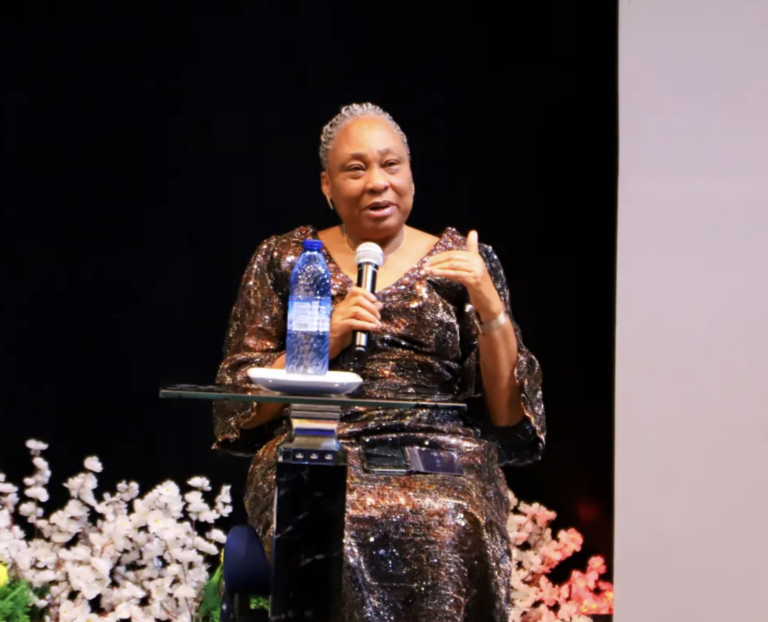
He was represented at the event by Nicole Asinugo, a board member of TOOF.
Okunbo said Africa must look beyond celebrating the international recognition of its artists and the growing success of its creative industries to building structures that would preserve cultural knowledge, protect creative ownership and expand opportunities for emerging talents.
According to him, “success and legacy are not the same thing,” stressing that the continent’s creative achievements must translate into sustainable institutions and opportunities for generations to come.
He raised concerns about the future of Africa’s creative industries, asking what would remain after the current wave of artistic and commercial success had passed.
“What institutions have we built? What policies have we put in place? Who owns the work? Who has access to the opportunities? And what will the next generation inherit from what we are creating today?” he queried.
The foundation’s founder said the preservation of cultural heritage was central to understanding Africa’s identity and unlocking the continent’s creative potential.
Recounting his experience growing up surrounded by Benin artworks belonging to his late father, Okunbo said he only fully appreciated their significance after his father’s death.
He explained that the Benin bronzes represented more than artistic objects, as they preserved the kingdom’s history, beliefs, traditions and knowledge passed down through generations.
He noted that the experience highlighted the extent to which Africans remained disconnected from aspects of their own heritage, warning that undocumented histories, unprotected traditions and endangered cultural knowledge risked being lost.
“We believe heritage is not simply about the past. It’s about what that knowledge makes possible,” he said, adding that preserving cultural heritage required collective commitment beyond the capacity of individual organisations.
Speaking on the foundation’s interventions, Okunbo said TOOF’s activities covered education, cultural exchange, public discourse and heritage preservation.
He disclosed that the foundation had announced a fellowship in London earlier in the year to support artists and cultural practitioners working to document, safeguard and improve access to African cultural heritage.
He called for policies protecting creative ownership, institutions preserving cultural knowledge and investments that would create opportunities for future generations.
Commending Elevate Africa for providing a platform that brings together political leaders, traditional rulers, investors and young creatives, Okunbo said such collaboration was essential to advancing the continent’s development.
He reaffirmed TOOF’s commitment to supporting the convening as a headline sponsor, urging participants to look beyond the financial returns of Africa’s creative industries and focus on the legacy they would leave behind.
“The true measure of our progress cannot simply be what our generation achieves. It must also be what we make possible for those who come after us,” he said.