Follow Us on Google
From Romanus Ugwu, Abuja
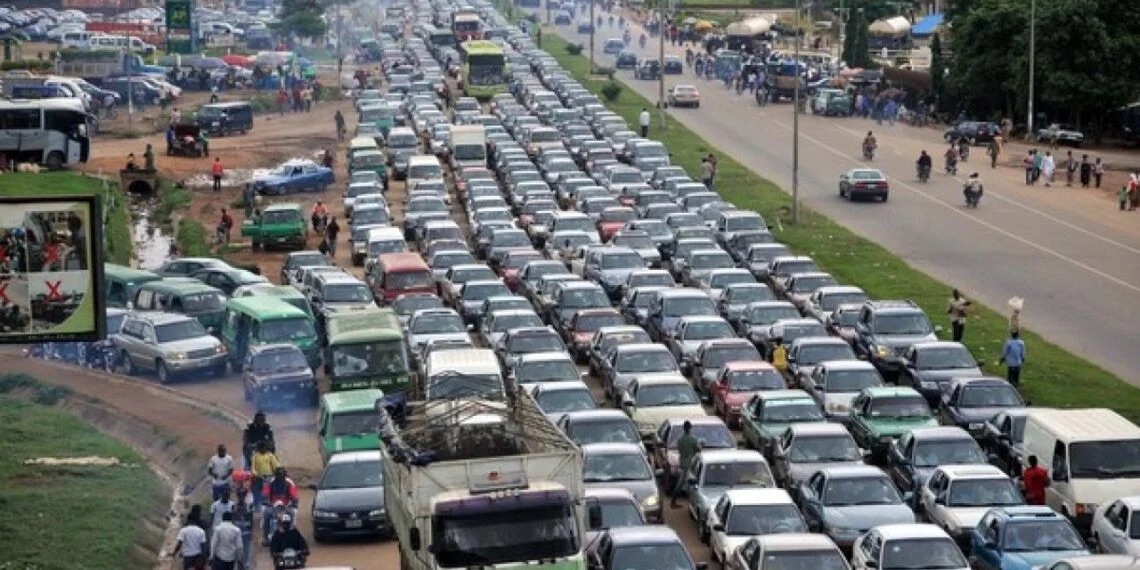
A continental research based organisation, the Africa Development Studies Centre (ADSC), has raised an alarm over the increasing level of gridlock on the Federal Capital Territory (FCT), Abuja major roads.
The organisation, in its research findings on Abuja gridlock, charged the authorities concerned to urgently invest and administratively decentralise the territory to curb the menace
ADSC’s President, Victor Oluwafemi, warned in a statement he issued in Abuja that they must not wait for the city to become permanently gridlocked before undertaking structural reforms.
The appeal was contained on ADSC’s policy research and urban systems analysis on the worsening traffic gridlock within the FCT.
Oluwafemi explained that: “Our findings are clear. Abuja’s morning and evening congestion has moved beyond inconvenience. It is now a structural governance challenge with direct implications for national productivity, public service performance, staff wellbeing, investor confidence, and the long-term livability of the capital.
Other News
“Every workday, the same pattern repeats itself. In the mornings, a large majority of vehicles flow toward the same central corridors because government offices, public service points, and high activity institutions remain excessively clustered in the city core.
“In the evenings, the same traffic reverses in a single wave, creating daily paralysis that drains time, energy, and morale.
“ADSC’s research indicates that this problem is driven primarily by institutional concentration, not simply by limited road space.
“The more Abuja continues to concentrate government activity into the same tight centre, the more congestion becomes inevitable, regardless of how many interchanges are built.
“While road expansions and corridor upgrades remain important, they are insufficient as a standalone solution. Global urban planning evidence shows that where traffic demand is generated by concentrated destinations, increasing road capacity often produces temporary relief before congestion returns as demand rises to match the new capacity.”