Follow Us on Google
From Charity Nwakaudu, Abuja
President Bola Ahmed Tinubu has reaffirmed Nigeria’s commitment to transforming Africa’s vast mineral wealth into industrial growth, jobs, and economic prosperity, declaring that the era of exporting raw materials while importing finished products must come to an end.
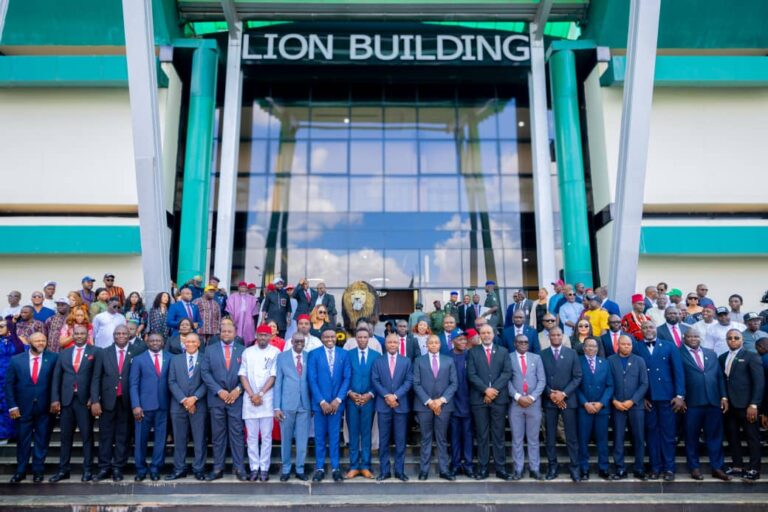
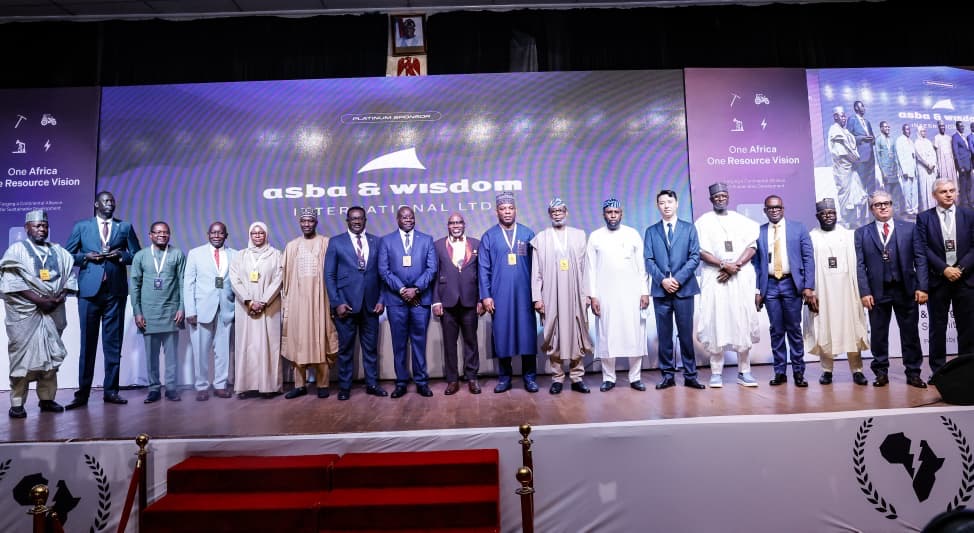
Speaking through the Minister of Solid Minerals Development, Dr. Dele Alake, at the opening of the African Natural Resources and Energy Investment Summit, AFNIS 2026, in Abuja, the President said Africa must leverage its resource endowment to drive industrialization and strengthen its position in the global economy.
He noted that critical minerals, energy transition technologies, and emerging supply chains have placed Africa at the centre of global economic transformation, creating an opportunity for the continent to capture greater value from its resources.
President Tinubu stressed that Africa’s future depends on moving beyond fragmented approaches to resource development and embracing continental cooperation under the theme, “One Africa, One Resource Vision.”
According to him, Nigeria’s Renewed Hope Agenda is aligned with this vision through policies aimed at economic diversification, infrastructure development, energy expansion, industrial growth, and job creation.
The President emphasized that Nigeria’s prosperity is closely linked to Africa’s prosperity, urging African nations to strengthen trade, energy integration, transportation networks, and regional value chains.
He said Africa must shift from merely extracting and exporting minerals to processing, refining, and manufacturing products within the continent to maximize economic benefits and create employment opportunities.
Addressing investors, President Tinubu said Africa welcomes responsible investments that promote technology transfer, local content development, environmental sustainability, and community empowerment.
He further called on African governments to harmonize regulations, remove barriers to intra-African trade, protect legitimate investments, and strengthen transparency and accountability in the management of natural resources.
On energy transition, the President advocated a balanced and practical approach that addresses climate concerns while ensuring access to reliable electricity for industries, hospitals, schools, farmers, and businesses across Africa.
Delivering his address, Minister of Solid Minerals Development, Dr. Dele Alake, highlighted Nigeria’s ongoing reforms in the mining sector, describing solid minerals as a strategic pillar of the country’s economic diversification agenda.
Dr. Alake stated that the Federal Government has revoked over 10,000 dormant mining licences as part of efforts to restore discipline, improve transparency, and attract serious investors into the sector.
He said the administration has also introduced a value-addition policy that prioritizes local processing and beneficiation of minerals before export, thereby promoting industrial development and job creation.
The Minister revealed that the policy is already yielding results, citing investments worth over $1.7 billion in lithium processing plants, mineral refining facilities, and other downstream projects across the country.
He also announced that recent exploration activities by the Nigerian Geological Survey Agency confirmed significant deposits of gold, lithium, nickel, copper, rare earth elements, and other strategic minerals in Kaduna State and other parts of Nigeria.
According to him, these discoveries are expected to strengthen investor confidence and position Nigeria as a major destination for global mining and mineral processing investments.
Speaking at the summit, Secretary-General of the African Minerals Strategy Group (AMSG), Moses Michael Engadu, called for stronger continental collaboration, noting that no single African country possesses all the resources, capital, and expertise required for industrial transformation.
Engadu urged African nations to build common institutions and coordinated policies capable of converting mineral wealth into jobs, infrastructure, technology transfer, and long-term prosperity for citizens across the continent.
Chairman of the Senate Committee on Solid Minerals Development, Senator Ekong Sampson, said Africa must move from resource potential to resource productivity, stressing that the continent’s mineral wealth should be used to unite nations, improve livelihoods, and accelerate development.
Similarly, Chairman of the House Committee on Solid Minerals, Jonathan Gaza, commended ongoing reforms in Nigeria’s mining sector and pledged continued legislative support for policies aimed at boosting exploration, attracting investment, increasing revenue generation, and positioning solid minerals as a major contributor to national economic growth.
The summit concluded with a collective call for stronger partnerships among governments, investors, development institutions, and industry stakeholders to ensure that Africa’s mineral and energy resources become drivers of industrialization, regional integration, and shared prosperity across the continent.